Introduction
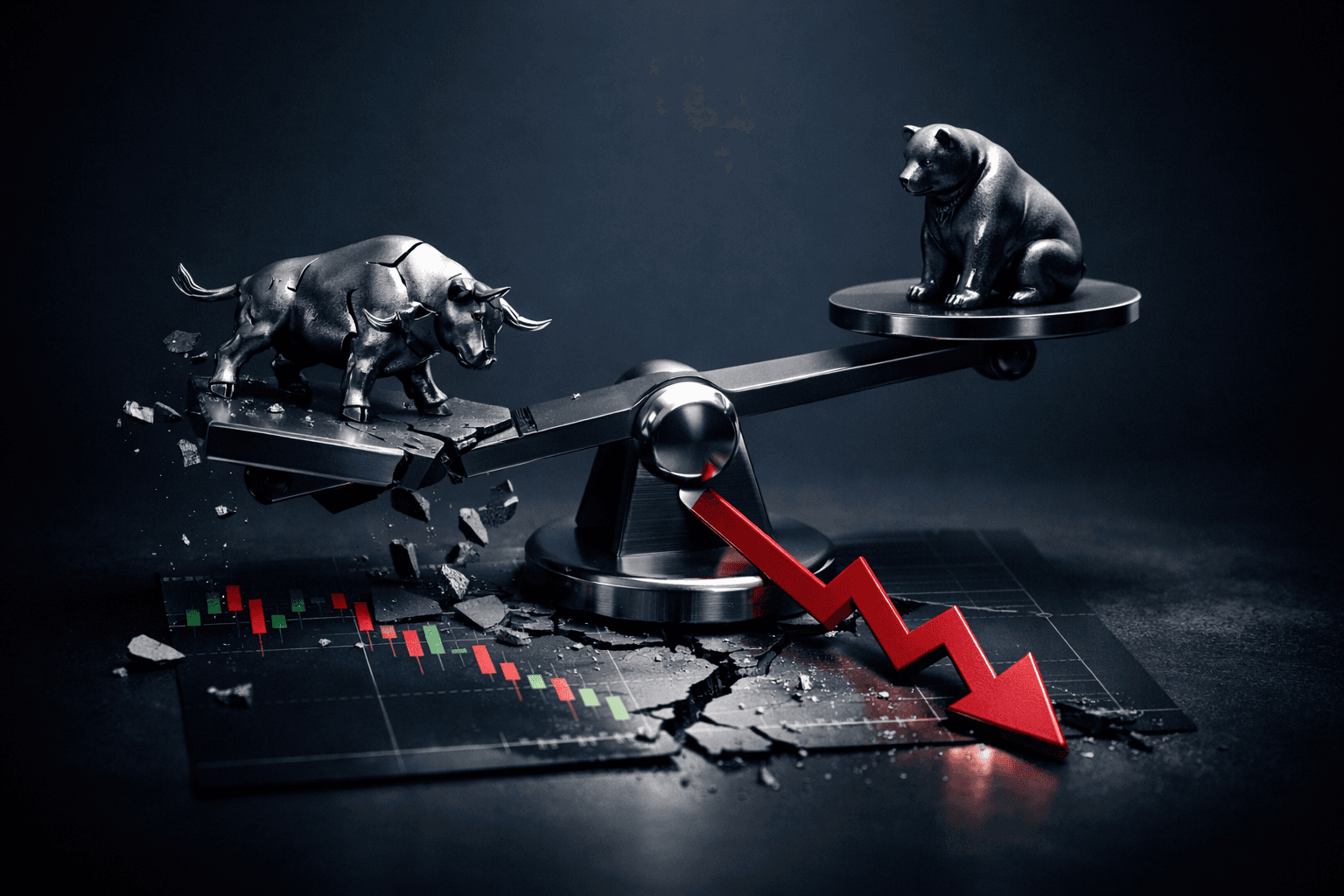
A stock market crash is a sudden, severe decline in market prices, while a correction is a smaller but meaningful drop in prices over days or weeks. Both are normal parts of how markets work, even if they feel frightening when you own investments.
Why should you care about crashes and corrections? Because knowing what they are, how often they occur, and how investors typically respond will help you avoid panic and make smarter choices when markets turn down. What will you learn here? You’ll get clear definitions, historical examples, basic math to understand recoveries, and concrete steps you can take as a beginner.
- Corrections are generally declines of 10% to 19%, bear markets are 20% or more, and crashes are rapid, deep drops.
- Corrections happen roughly once a year on average; bear markets occur less often but are still regular across decades.
- Common causes include economic shocks, valuations that look stretched, policy shifts, and investor panic.
- Practical responses include reviewing your time horizon, keeping an emergency fund, avoiding panic selling, and using dollar-cost averaging to invest during dips.
- Rebalancing and diversification reduce risk but do not prevent losses entirely. Preparing beforehand matters more than reacting during the panic.
What Are Crashes, Corrections, and Bear Markets?
Definitions help you recognize what's happening. A correction is commonly defined as a market decline of 10% to 19% from a recent high. A bear market is a drop of 20% or more. The word crash is less precise, but it usually describes a very fast and deep decline, often 30% or more within days or weeks.
Why these cutoffs? They're arbitrary but useful. They give investors language to describe declines and to compare episodes over time. Remember, the precise percentage is less important than how the decline affects your finances and plans.
Key thresholds
- Correction: 10% to 19% decline
- Bear market: 20% or more decline
- Crash: a very rapid, often deep fall, commonly 30% or more
How Often Do They Happen? Historical Frequency and Examples
Market declines are more common than many people expect. Since the 1920s the S&P 500 has seen corrections about once per year on average, and bear markets roughly every 3 to 4 years. That frequency shows declines are part of long-term market behavior, not anomalies.
Here are familiar historical examples you may recognize.
- 1929 to 1932, the Great Depression, saw stock prices fall more than 80%. This was a prolonged economic collapse with deep, lasting consequences.
- 1987, Black Monday, where the Dow Jones Industrial Average plunged about 22% in a single day, is a classic example of a rapid crash.
- 2008, the Global Financial Crisis, produced a roughly 50% decline in major indexes like the S&P 500 as housing and banking problems spread.
- 2020, the COVID-19 crash, saw the S&P 500 fall about 34% from peak to trough in weeks before recovering more quickly than many expected.
Smaller corrections occur frequently between these headline events. Knowing the difference between common corrections and rare catastrophic losses helps you prepare without overreacting.
Why Markets Drop: Common Causes
Markets fall for many reasons. Often multiple factors combine to trigger big declines. Understanding the common causes helps you assess the risk when you see headlines calling a correction or crash.
Major drivers
- Economic shocks, such as a sudden recession or a global pandemic, reduce corporate profits and investor confidence.
- Financial system problems, like bank failures or credit freezes, can spread quickly and force asset sales.
- High valuations can make markets more vulnerable. When prices look stretched relative to earnings, a small negative surprise can produce a large price reaction.
- Policy changes, including abrupt interest rate moves or regulatory shifts, change the outlook for companies and the economy.
- Panic and herd behavior amplify declines. When many investors rush to sell at once, prices can plunge rapidly.
Sometimes a single headline sparks a crash, but usually underlying vulnerabilities are already present. That's why risk management matters ahead of time.
Practical Steps for Beginners During Downturns
You probably want to know what you should do when the market falls. The right action depends on your goals, timeframe, and financial position. Here are practical, beginner-friendly steps.
Immediate checklist
- Pause before you act, avoid panic selling, and give yourself time to think. Quick trades made in fear often lock in losses.
- Review your time horizon. If you’re investing for retirement decades away, short-term drops matter less than long-term growth.
- Ensure you have an emergency fund with 3 to 6 months of expenses so you’re not forced to sell investments at a loss.
- Consider dollar-cost averaging. Investing a fixed amount over time buys more shares when prices are lower and smooths purchase prices.
- Rebalance if your portfolio drifted far from your target allocation. This forces you to sell some winners and buy cheaper assets, which can improve long-term returns.
Here is a simple example to make these ideas concrete. Suppose you have $10,000 invested and the market drops 30%. Your portfolio falls to $7,000. To get back to $10,000 you need about a 43% gain, not 30% back. That math explains why recoveries sometimes look large even though losses happened first.
If you keep investing during the dip, dollar-cost averaging can lower your average cost. For instance, if a share price falls from $100 to $70 and you invest $500, you buy roughly 5 shares at $100 or about 7.14 shares at $70. Over time that increases your potential recovery when prices rebound.
Real-World Examples: How Investors Reacted
Real examples help show different outcomes. During the 2020 COVID-19 crash many long-term funds and retirement accounts that stayed invested recovered quickly as markets rebounded in months. Some investors who tried to time the market missed large parts of the recovery and ended up worse off.
Consider $AAPL, which fell sharply in some downturns but then recovered to new highs over years. Short-term traders may face large losses while long-term holders who believed in the company’s fundamentals eventually saw gains. That contrast highlights how your time horizon and strategy influence results.
How to Prepare Before the Next Downturn
Preparation beats reaction. You can’t prevent every loss, but you can structure your finances so downturns are manageable and potentially advantageous.
Preparation steps
- Set clear goals. Know why you’re investing and when you’ll need the money.
- Diversify across asset classes and geographies to reduce the impact of a single shock.
- Keep an emergency cash buffer to avoid forced sales during market stress.
- Choose an allocation that matches your risk tolerance, then stick to it through cycles.
- Practice a written plan for contributions and rebalancing so you act intentionally, not emotionally.
At the end of the day, the best protection is a plan you can follow when markets test your nerves.
Common Mistakes to Avoid
- Panic selling: Selling in a rush locks in losses. How to avoid it, decide your long-term plan before a decline and stick to it.
- Market timing attempts: Trying to guess bottoms and tops often fails. How to avoid it, use regular investing and avoid trying to time short-term moves.
- Neglecting diversification: Holding a concentrated portfolio can magnify losses. How to avoid it, spread risk across stocks, bonds, and other asset types.
- Overleveraging: Borrowing to invest increases risk dramatically during downturns. How to avoid it, limit or avoid margin and borrowing against investments.
- Letting headlines drive decisions: News can be loud and frightening. How to avoid it, base decisions on your plan and reliable data, not sensational headlines.
FAQ
Q: What’s the difference between a correction and a bear market?
A: A correction is typically a decline of 10% to 19% from a recent high, while a bear market is a drop of 20% or more. Corrections happen more often and are usually shorter, whereas bear markets are deeper and can last longer.
Q: Should I sell when the market crashes?
A: Selling during a crash is rarely the best move if you have a long-term horizon and stable finances. Selling locks in losses. Instead, review your goals, confirm your emergency savings, and follow your pre-set plan. If you need funds soon, then reassess based on that timeline.
Q: Can you time the market to avoid crashes?
A: Time in the market beats timing the market for most investors. Successfully timing entries and exits consistently is extremely difficult. Regular investing and diversification generally outperform attempts to dodge downturns.
Q: How can I use a market downturn to my advantage?
A: Downturns create opportunities for disciplined investors to buy assets at lower prices. You can use dollar-cost averaging, rebalance to buy underweight assets, and review high-quality investments that have temporarily fallen in price.
Bottom Line
Crashes and corrections are normal parts of financial markets. They happen regularly and can be triggered by many factors including economic shocks, valuation shifts, and investor behavior. Understanding definitions, frequency, and common causes will help you respond calmly.
Prepare before the next downturn by setting clear goals, keeping an emergency fund, diversifying, and using rules-based investing like dollar-cost averaging and periodic rebalancing. You can’t eliminate market drops, but you can make them less disruptive to your financial progress.
Next steps you can take today, review your time horizon, confirm your savings buffer, and write or update a simple investing plan. That preparation will help you stay confident when markets test your patience.