Introduction
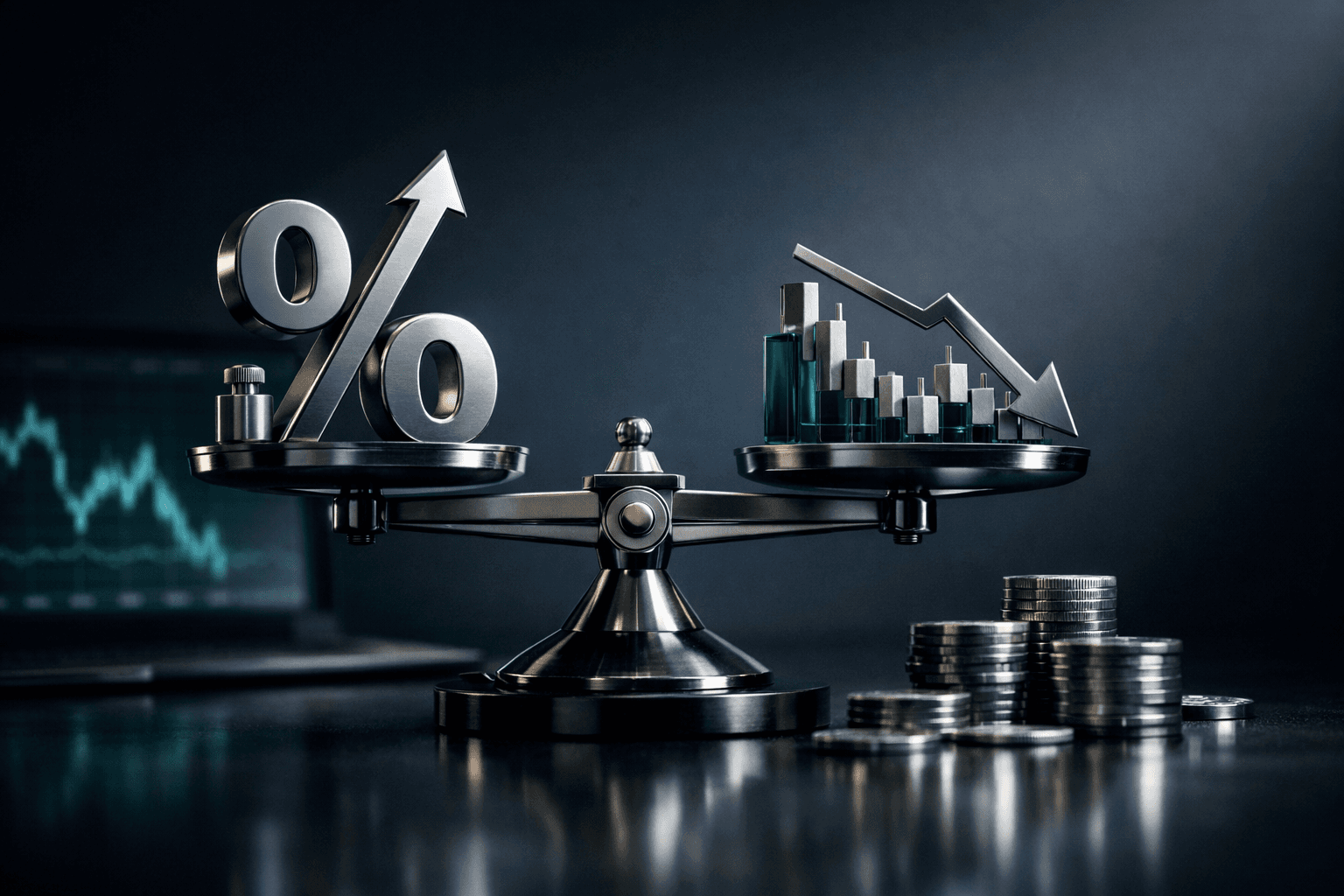
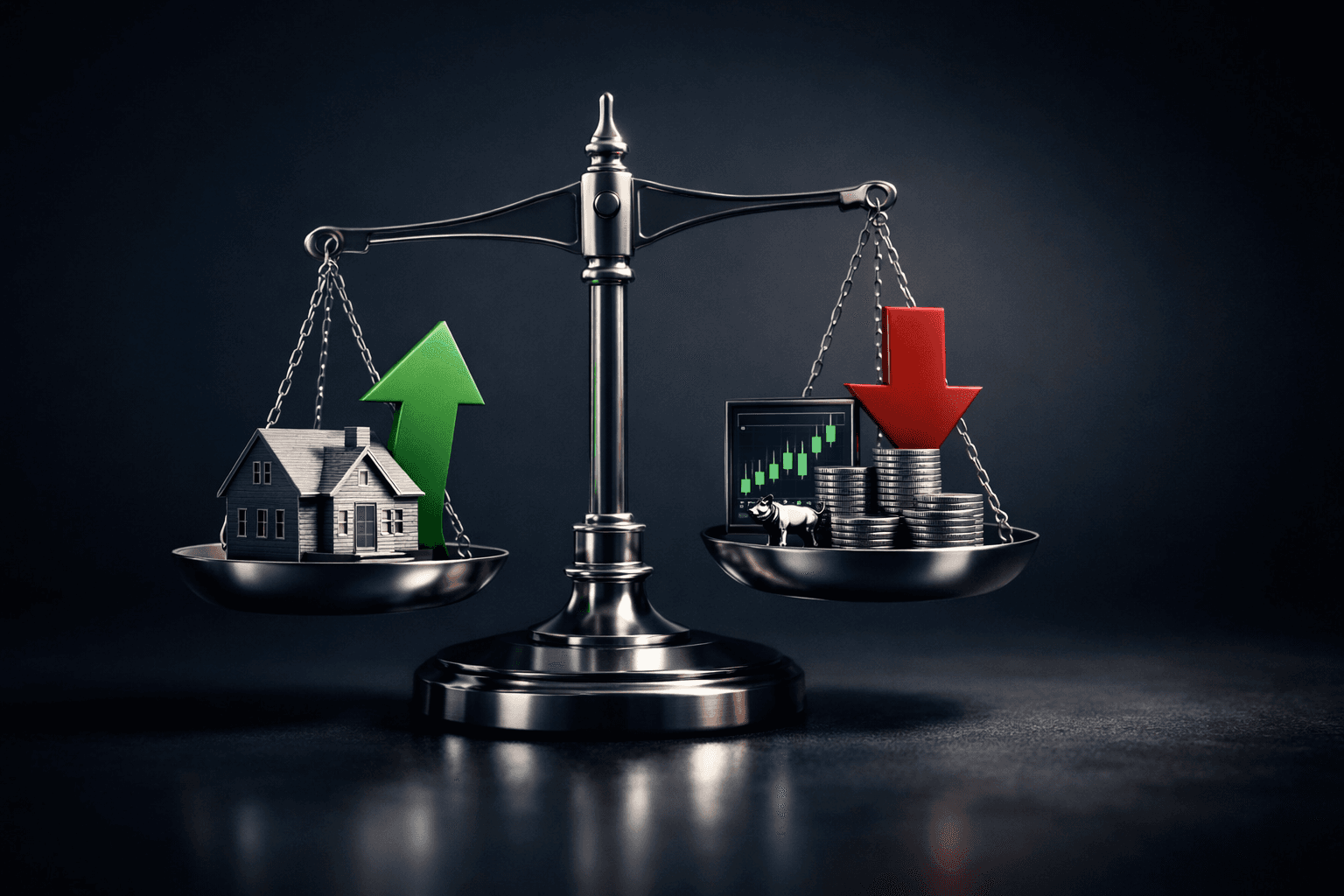
Interest rates set by the Federal Reserve (the Fed) affect almost every corner of the economy, and that includes the stock market. Put simply, when the Fed raises or lowers its policy rate, it changes borrowing costs for businesses and consumers, shifts investor demand between stocks and bonds, and influences expectations for future growth.
This matters to investors because rate changes can quickly alter the value of stocks and the returns you can expect from different investments. In this article you will learn how the Fed’s rate decisions filter through to stock prices, which types of stocks are most sensitive to rate moves, and practical steps you can take to manage rate risk in a beginner-friendly way.
- Higher Fed rates generally increase borrowing costs, which can slow growth and pressure stock prices, especially for growth and high-debt companies.
- Lower rates tend to boost stocks by making borrowing cheaper and making bonds less attractive relative to equities.
- Sectors respond differently: financials may benefit from rising rates, while technology and real estate often suffer.
- Bond yields, valuation models, and investor expectations are the key channels connecting rates to stock prices.
- Simple actions, diversification, checking debt levels, and using fixed-income ladders, help manage interest rate risk.
How the Fed Influences Interest Rates and the Economy
The Federal Reserve sets a short-term policy rate called the federal funds rate. This rate guides bank-to-bank lending overnight and serves as a benchmark for many other interest rates in the economy, from mortgages to corporate loans.
When the Fed raises its target rate, borrowing becomes more expensive. Consumers may cut back on big purchases, businesses may delay expansion, and economic growth can slow. When the Fed cuts rates, the opposite happens: borrowing becomes cheaper, spending can rise, and growth can accelerate.
Transmission channels (simple)
- Bank loans and mortgages: Short-term Fed policy affects rates banks charge, changing consumer and corporate borrowing costs.
- Bond yields and discount rates: Higher policy rates push up yields across the curve, increasing the discount rate used to value future cash flows.
- Investor behavior: Safer interest from bonds can draw funds away from stocks; lower rates make equities relatively more attractive.
Why Rising Rates Can Pressure Stocks
Rising interest rates can hurt stocks through several direct and indirect channels. The effects are not uniform, some companies and sectors are more sensitive than others.
Main ways higher rates lower stock prices
- Higher discount rates reduce valuations: The present value of future earnings falls when investors use a higher discount rate, which often lowers stock prices.
- Higher borrowing costs reduce profits: Companies that rely on debt face higher interest expenses, which squeeze margins and reduce net income.
- Slower economic growth: If consumers and businesses spend less because loans are more expensive, sales growth and profits can slow.
- Competition from bonds: As bond yields rise, investors can get higher risk-free or low-risk returns, making stocks relatively less attractive.
Example: A fast-growing tech company like $NVDA or $TSLA depends on strong future earnings. When rates climb, the present value of those distant earnings shrinks more than for a stable utility or consumer staple with steady near-term cash flow. That is why growth stocks often fall more in a rising-rate environment.
Why Rate Cuts Can Boost Markets
When the Fed cuts rates, the opposite forces generally support higher stock prices. Cheaper borrowing, higher present values for future cash flows, and a shift away from bonds can all lift equities.
How lower rates support stocks
- Lower discount rates increase valuations: Future earnings are worth more today when the discount rate declines.
- Reduced interest costs improve corporate profits: Companies with existing variable-rate debt or new financing needs benefit from lower interest expenses.
- Stimulated spending and investment: Consumers and businesses tend to borrow and spend more, boosting sales and earnings.
- Shift from fixed income to equities: Lower yields on bonds push investors toward stocks seeking higher returns.
Example: In periods after rate cuts, cyclical companies and consumer-facing firms often see demand pick up. Stocks like $MCD (fast food) or $HD (home improvement) can benefit if cheaper credit increases consumer spending on services and durable goods.
How Bond Yields, Valuations, and Expectations Connect to Stocks
A useful way to think about interest rates and stocks is through valuation models. Many investors value a stock by discounting expected future cash flows back to today using a discount rate. That discount rate includes a risk-free rate (commonly linked to Treasury yields) plus a risk premium.
When the Fed raises rates, short-term yields typically rise and can push longer-term yields higher as well. Higher benchmark yields increase the discount rate and reduce the present value of future cash flows, so stock valuations can decline even if company earnings stay the same.
Expectations matter
Markets are forward-looking. If investors expect the Fed to keep raising rates, stock prices often fall in anticipation. Conversely, if the market believes cuts are coming to stimulate growth, stocks can rise before the Fed actually acts. This is why Fed communications and economic data releases can cause immediate market moves.
Which Sectors and Stocks Are Most Sensitive
Rate sensitivity varies by sector and company characteristics. Understanding these differences helps beginners build a resilient portfolio.
Sectors that tend to be more sensitive
- Technology and high-growth companies: Sensitive because much of their value depends on earnings far in the future.
- Real estate and utilities: Often use significant debt and rely on low rates to finance projects.
- Consumer discretionary: Can be sensitive if purchases are financed (cars, homes) and decline when borrowing costs rise.
Sectors that can benefit or be insulated
- Financials (banks, insurance): Banks can benefit from rising short-term rates if they widen margins between lending and deposit rates.
- Consumer staples and healthcare: Companies with stable cash flows may be less impacted by rate swings.
Example: During the Fed’s rate increases in 2022, 2023, many growth stocks like $ARKK and large-cap tech underperformed while some banks and insurers saw improved net interest margins. Conversely, when rate cuts occur, long-duration assets and growth stocks often recover more quickly.
Practical Steps for Investors
As a beginner, you can take straightforward actions to reduce the impact of rate changes on your portfolio. These steps focus on risk management rather than timing Fed moves.
- Diversify across asset classes: Hold a mix of stocks, bonds, and cash to smooth returns when rates move.
- Check company debt levels: Favor firms with low debt or strong cash flow when rates are rising.
- Use bond ladders or short-duration bonds: Shorter-duration bonds are less sensitive to rate rises and give flexibility to reinvest at higher yields.
- Match investment horizon to asset choice: If you need money soon, favor less rate-sensitive assets.
- Maintain a long-term focus: Short-term Fed moves create noise; over long periods, economic fundamentals and earnings growth drive returns.
Example allocation idea for beginners: 60% diversified stock ETF, 30% short- to intermediate-term bond ETF, 10% cash. Adjust based on risk tolerance and time horizon; this mix reduces sensitivity to rapid rate hikes compared with an all-stock portfolio.
Real-World Examples
Example 1, Growth stock sensitivity: Suppose $NVDA’s future free cash flow is expected to be $10 billion five years from now. If investors use a discount rate of 7%, the present value is higher than if they use 9%. A 2% increase in the discount rate can reduce present value by a noticeable percent, translating into a lower stock price even if earnings expectations haven’t changed.
Example 2, Bank margins: A regional bank with variable-rate loans and stable deposit balances can see net interest income rise when short-term rates climb. If the bank’s net interest margin widens by 0.5 percentage points, that can flow through to higher profitability, potentially lifting its stock.
Example 3, Bond yields and reallocation: If the 10-year Treasury yield moves from 1.5% to 4%, many conservative investors shift allocations away from stocks to buy safer bonds, reducing demand for equities and pressuring prices.
Common Mistakes to Avoid
- Chasing short-term moves: Reacting to every Fed announcement often leads to poor timing and higher costs. How to avoid: Keep a long-term plan and rebalance at set intervals.
- Ignoring company fundamentals: Focusing only on rates while ignoring debt, margins, and competitive position misses key drivers of stock value. How to avoid: Review basic financials before investing.
- Overconcentration in rate-sensitive sectors: Holding too much tech or real estate can magnify losses during rate hikes. How to avoid: Diversify across sectors and asset classes.
- Trying to time the Fed: Predicting exact rate moves is very difficult and can lead to missed gains. How to avoid: Use dollar-cost averaging and maintain emergency savings instead of market timing.
FAQ
Q: How quickly do stocks react when the Fed changes rates?
A: Stocks can react instantly to Fed announcements and even to Fed communications or economic data ahead of decisions. The size and speed of the reaction depend on expectations and whether the move was anticipated.
Q: Are bonds always a better choice when rates rise?
A: Not always. Rising rates hurt existing bond prices but offer higher yields for new purchases. Short-duration bonds or cash-like instruments can be preferable during rising-rate periods.
Q: Should I sell growth stocks when the Fed starts raising rates?
A: Not automatically. Consider each company’s fundamentals, debt load, profit stability, and valuation, rather than making sector-level decisions solely on rate moves.
Q: How can I position my portfolio if I expect rates to fall?
A: If you expect falling rates and are comfortable with risk, higher-duration assets and growth-oriented investments typically benefit. However, focus on diversification and avoid market timing; gradual shifts and dollar-cost averaging are safer approaches.
Bottom Line
Fed policy and interest rates influence stocks through valuation changes, borrowing costs, and investor demand between bonds and equities. Rising rates generally pressure growth and highly leveraged companies, while rate cuts support valuations and economic activity.
As a beginner investor, the best practical steps are to diversify, monitor company debt and cash flow, use suitable bond strategies, and maintain a long-term perspective. Understanding the channels through which rates affect markets helps you make more informed, less emotional choices during periods of monetary policy change.
Next steps: review your asset allocation, check a few core holdings for debt sensitivity, and consider short-duration bonds or a balanced ETF to reduce immediate rate risk while you continue learning.