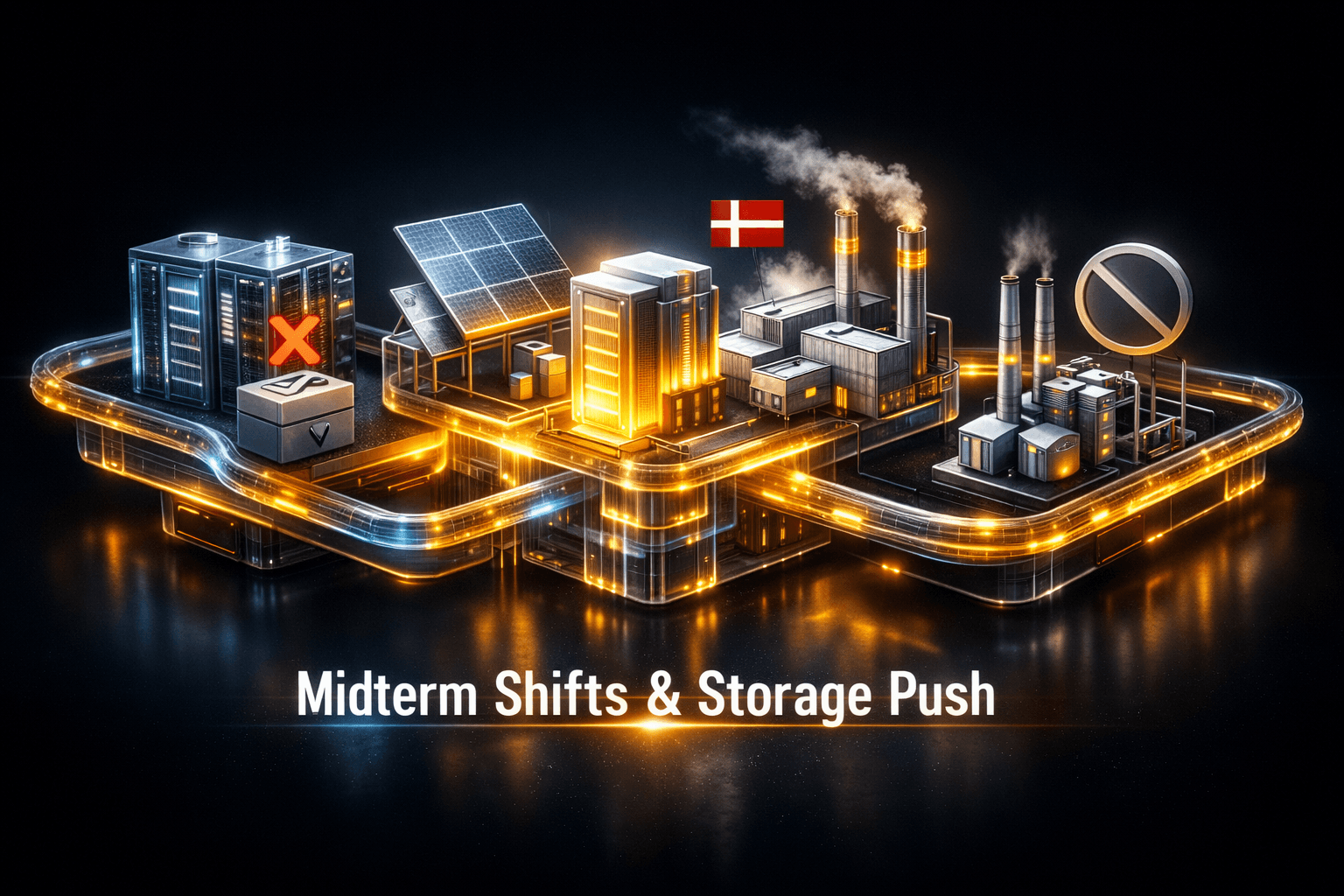
The Big Picture
Heading into the long weekend, the utilities sector looks like a mixed bag for investors. You saw clear wins for clean-energy technologies and supply-chain consolidation, but political resistance to new data centers and continuing large-scale gas plans keep near-term clarity limited.
That mix matters because it shapes demand patterns, regulatory risk and utility capital spending. If you follow utilities, you should care about where load growth will actually come from and which technologies regulators and customers are adopting.
Market Highlights
Markets were closed on Saturday, Nov 7. Below are the key facts and numbers from the stories that shaped sector sentiment as of Friday, Nov 6 and across the weekend.
- Duke Energy reported a 15.4 GW large-load pipeline and is pressing ahead with a roughly $103 billion spending plan that remains focused on new natural gas generation, according to Utility Dive.
- Sempra said Oncor’s capital plan could rise about 20 percent, driven by load growth in Texas, signaling higher utility capex expectations in that region.
- New York’s Power Generation and Storage Innovation program awarded nearly $13 million to 15 projects to advance long-duration and advanced battery storage solutions.
- ARRAY Technologies and Shoals Technologies Group announced an all-stock merger, aiming to create an integrated platform for utility-scale solar and energy storage balance-of-system equipment.
- In Esbjerg, Denmark, two large electric heat pumps consumed 19.9 MW and supplied 55.2 MW of heat in a winter test that used seawater as the heat source.
- Voters in multiple localities overwhelmingly rejected data center development when the option was on the ballot, creating localized headwinds for new large-load projects.
Key Developments
Policy and Politics: Data Center Ballot Results
Midterm ballots in several communities saw voters limit or ban data center construction when given the choice. That outcome raises permitting and siting risk for developers and utilities that had been counting on big commercial load additions in certain regions.
Will utilities pivot to other growth drivers? You’ll want to watch how companies rework their large-load pipelines and whether incentives or zoning changes emerge to ease siting pressures.
Capex and Load Growth: Duke, Sempra and the Spending Implications
Duke Energy confirmed a sizable 15.4 GW large-load pipeline and reiterated a $103 billion spending plan that emphasizes new natural gas capacity. Sempra flagged a potential 20 percent increase in Oncor’s spending plan tied to Texas load growth.
These announcements signal sustained capital intensity, but they also highlight a split approach across the sector, with some companies prioritizing gas and network upgrades even as policy and customers push for cleaner options.
Clean Tech Momentum: Storage Funding, Merger and Heat Pumps
New York’s $13 million funding round for 15 advanced storage projects and the merger between $ARRY and $SHLS suggest momentum in the storage and solar supply chain. Those moves support longer-term integration of renewables and storage into grids.
The Esbjerg seawater heat-pump test that delivered 55.2 MW of heat from 19.9 MW of electricity highlights how electrified heating can scale. That tech could matter to utilities as they plan winter peak strategies and decarbonization paths.
What to Watch
Expect the next few trading days to focus on how utilities and regulators respond to the midterm results and the demand picture. The markets were closed Nov 7, so you’ll only see reactions when trading resumes on Monday, Nov 9.
- Permitting and zoning outcomes for data centers, and any state or local mitigation measures that aim to preserve large-load growth.
- Regulatory filings tied to Duke Energy (DUK) and Sempra (SRE) capex plans, especially any updated grid investments or cost-recovery proposals.
- Progress updates from the 15 New York storage projects and any commercialization timelines tied to long-duration battery pilots.
- Integration plans and cost synergies from the $ARRY and $SHLS merger, plus any analyst commentary once markets reopen.
- Early winter performance and additional demos from large heat-pump deployments, and how those could affect peak-load forecasts.
What are the risks you should monitor? Regulatory pushback on data centers could slow load growth in key corridors. At the same time, supply-chain consolidation can reduce equipment costs but may concentrate vendor risk.
Bottom Line
- Sector sentiment is mixed, with clean-technology wins offset by political limits on data center siting and persistent gas-focused capex.
- Storage funding and the $ARRY/$SHLS merger point to accelerating integration of solar and batteries into utility-scale projects.
- Local ballot defeats for data centers raise siting and demand uncertainty for utilities that were counting on large commercial loads.
- Watch regulatory filings and company updates next week, especially from $DUK and $SRE, for how spending plans may be adjusted or defended.
- If you track utilities, stay selective and keep your watchlist focused on earnings, regulatory outcomes and project-level milestones.
FAQ Section
Q: How will local bans on data centers affect utility revenue forecasts? A: It depends by region; utilities that counted on new large-load contracts may see slower near-term load growth, prompting re-evaluation of specific pipeline assumptions.
Q: Does the $13 million New York storage funding move the needle for the sector? A: The funding targets commercialization and demonstration work, which can accelerate technology readiness even if the dollar amount is modest compared with total grid investment.
Q: Should you expect immediate market reactions? A: Markets were closed on Nov 7, so any price reactions will show up when trading resumes on Monday, Nov 9. Watch filings and analyst notes for fresh guidance.
Note: This article presents reporting and analysis for informational purposes only. It does not provide personalized investment advice or recommendations.