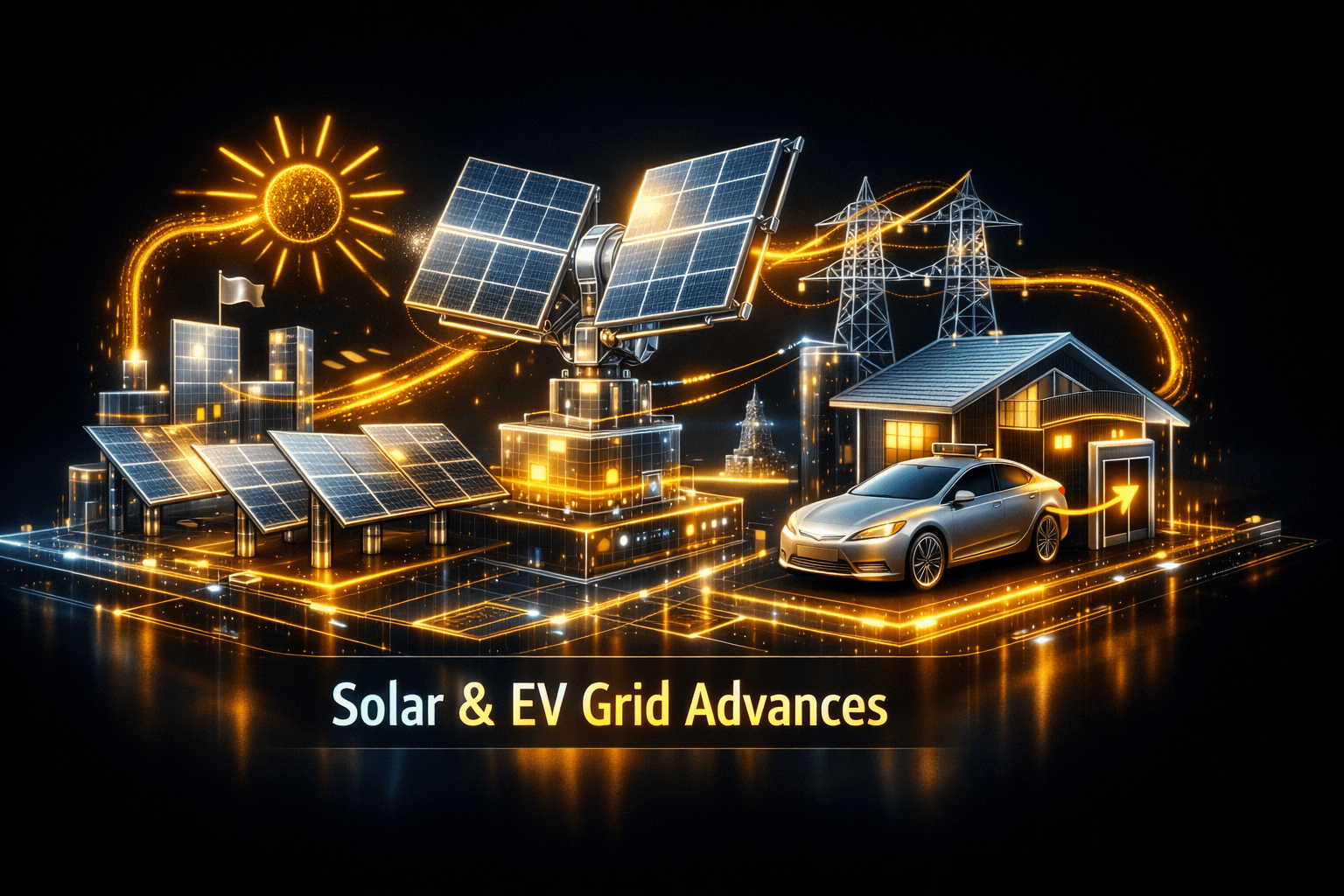
The Big Picture
Today's largest theme in the utilities sector was practical, deployment-focused progress. From a donated 60-kW solar array in Denver to a new vehicle-to-home backup device approved by hundreds of utilities, the news highlighted real projects that cut costs and boost resiliency.
That matters to you because these developments point to accelerating adoption of distributed clean energy and more customer-facing utility technologies, trends that could shape earnings and capital spending over the next several quarters.
Market Highlights
Activity today centered on renewables, grid tech, and policy debates about the utility business model. Here are the quick facts you want at a glance.
- Community solar and donations: A 60-kilowatt rooftop solar system was donated to Denver nonprofit Project Worthmore, estimated to save the group more than $350,000 over 20 years, with suppliers including SolarEdge, Pivot Energy and others pitching in.
- New hardware rollouts: ARRAY Technologies introduced a 60° variant of its DuraTrack single-axis tracker, building on prior wind stow and hail-response features.
- Vehicle-to-home momentum: Ford and Global Power Products launched a GenerLink-compatible V2H backup solution, and Ford reports the GenerLink meter collar is approved by more than 800 electric utilities.
- Industry governance and security: SEIA published a report on inverter cybersecurity and revealed U.S. inverter manufacturing has almost tripled since 2024, underscoring onshore supply chain gains.
- Grid policy debate: A prominent op-ed argued against cutting utility returns, saying lower returns won’t reduce bills and could weaken grid investment plans.
Key Developments
Community solar donation shows cost and social impact
A coalition of solar firms including SolarEdge Technologies helped install a 60-kW system for Project Worthmore in Denver, a move expected to save the nonprofit over $350,000 across 20 years. That’s proof positive of how distributed solar can lower operating expenses for service providers and community groups, and it gives you a clear example of corporate social responsibility translating into tangible savings.
Vehicle-to-home and home backup move from pilot to scale
Ford and Global Power Products debuted a vehicle-to-home backup solution that leverages an existing GenerLink meter collar, a product that’s already cleared more than 800 utilities. This lowers the cost of whole-house or outlet-level backup compared with traditional standby generators and accelerates appliance-level resilience for customers. How might this change your backup power options during outages? For households with compatible EVs, it could be a cheaper, faster route to emergency power.
Product innovation and onshore manufacturing gains
ARRAY Technologies unveiled a DuraTrack variant with 60° stow angling, aimed at improving extreme-weather survivability while keeping wired motor and communications architecture. At the same time, SEIA’s cybersecurity report highlighted that U.S. inverter manufacturing has nearly tripled since 2024, a sign that supply chain localization is gaining traction. Together, these items indicate vendors are investing in reliability, and utilities and developers are getting more domestic supplier options.
What to Watch
Expect the headlines to continue prioritizing resilience and renewable deployment. You’ll want to monitor a few near-term catalysts.
- Regulatory jockeying: Watch state-level proceedings like the Wisconsin gas plant reviews. Integrated resource planning proposals could reshape approvals for large thermal builds and affect utility capital plans.
- Policy and returns debate: The op-ed questioning cuts to utility returns indicates a larger conversation about rate design and capital incentives. Keep an eye on public utility commission statements and any legislative proposals that could change allowed returns.
- Product approvals and rollouts: Track broader utility acceptance of meter-collar style devices and vehicle-to-home standards. Additional approvals beyond the reported 800 utilities would widen the addressable market for $F and equipment vendors.
- Cybersecurity and manufacturing metrics: SEIA’s priorities could lead to procurement preferences for certified inverters. That could benefit firms with U.S. manufacturing footprints and certified cybersecurity practices.
What should you watch in the next session? Look for further utility statements, more product adoption announcements, and any regulatory filings tied to IRP or rate-of-return discussions.
Bottom Line
- Real projects and device approvals are pushing decarbonization and resilience into customer-facing reality, not just pilot programs.
- Domestic inverter manufacturing growth and cybersecurity guidance are lowering supply chain risk while raising procurement standards for developers and utilities.
- Vehicle-to-home solutions are scaling through meter-collar approvals, which may reduce the cost of home backup power compared with traditional generators.
- Regulatory debates over utility returns and gas plant reviews remain key risk factors that could alter long-term capital plans.
- For you, the implication is clear: focus on companies and utilities that combine deployment capability with operational reliability and regulatory savvy.
FAQ Section
Q: Will vehicle-to-home solutions replace standby generators? A: Not immediately, but V2H options offer a lower-cost backup for many customers and are gaining utility approvals, making them increasingly viable.
Q: Does the donated solar system materially affect the solar market? A: The donation is small in megawatts but significant as a demonstration of near-term cost savings and community impact, showing how distributed projects can lower nonprofit operating costs.
Q: How important is the SEIA cybersecurity report for investors? A: The report signals stricter procurement and security expectations, which favors firms with U.S. manufacturing and certified cybersecurity practices, while raising the bar for others.