The Big Picture
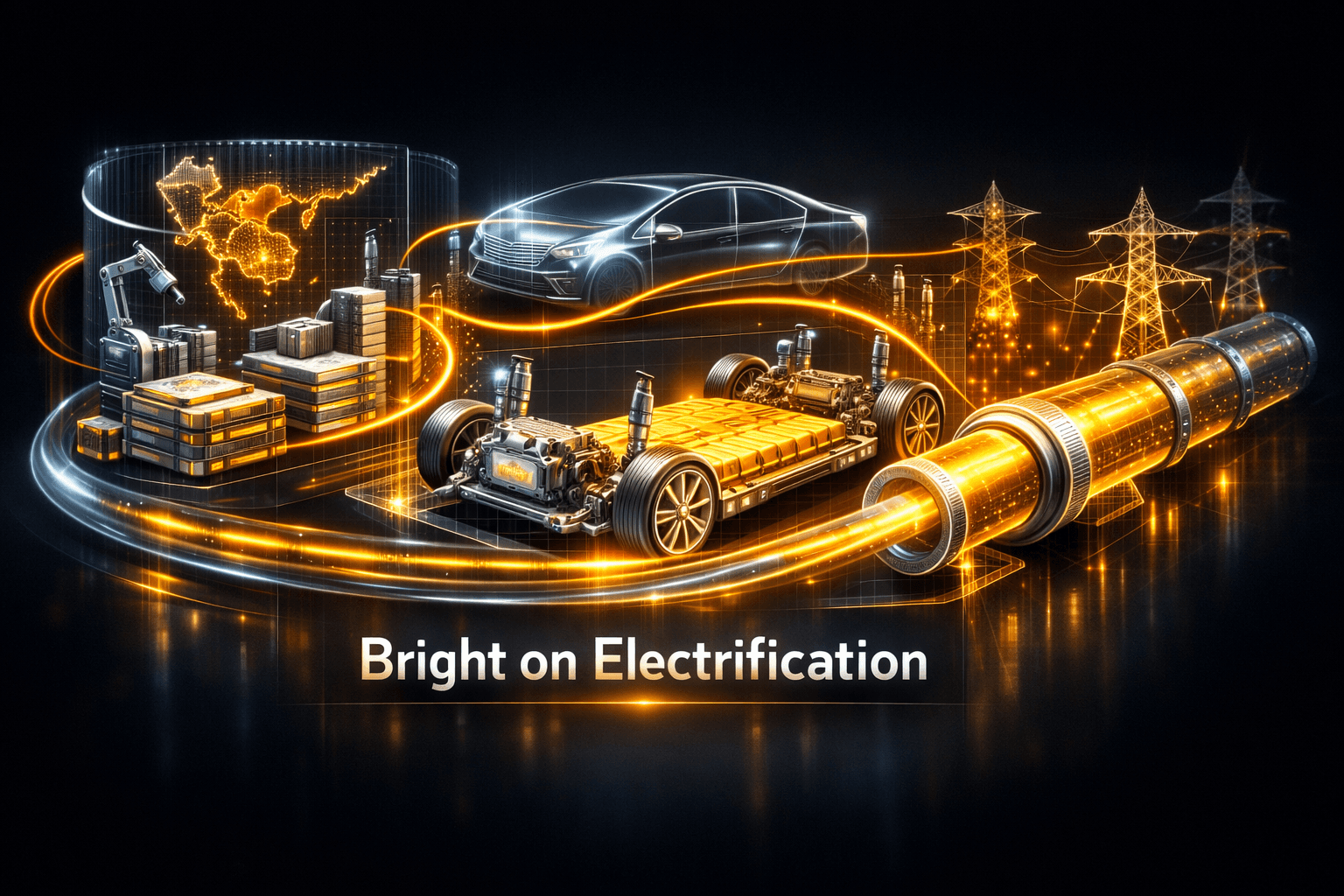
Electrification momentum is the dominant theme for utilities heading into the new trading week. Two developments reported today point to stronger long-term power demand: a regional push in Southeast Asia to build battery and EV supply chains, and a leap in EV powertrain efficiency from Geely.
Those stories matter because they affect load growth, grid investment, and storage needs. You should be thinking about how faster EV adoption and local battery manufacturing will change demand patterns and capital spending for utilities and grid operators.
Market Highlights
U.S. markets were closed on Sunday, July 19. All price references below are presented as context heading into the next session on Monday, July 20, and reflect conditions as of Friday, July 17.
- $XLU, the S&P Utilities ETF, traded in a narrow range heading into the long weekend, showing modest gains of roughly 0.5 to 1 percent for the week as investors weighed growth versus policy risk.
- Large-cap regulated names such as $NEE and $DUK were largely flat to slightly positive as of Friday, July 17, with traders favoring utility balance-sheet resilience over cyclic exposure.
- Electrification beneficiaries including $TSLA and battery-related suppliers saw headlines drive after-hours attention; expect volatility when markets reopen on July 20.
Key Developments
ASEAN Moves From Policy to Production
At an industry level, ASEAN officials signaled a shift from framework-setting to industrial execution on batteries and EVs. The July reporting says next month’s ASEAN Battery Technology Conference in Sepang will pivot to engineering and scaling production. That suggests governments and private firms are lining up to build battery gigafactories and localize supply chains.
For utilities, local battery manufacturing has two clear implications. First, it could lower battery costs, making distributed and grid-scale storage more economical. Second, you may see faster load growth as EV adoption accelerates when batteries get cheaper and charging infrastructure improves.
Geely’s 93.8% Efficient Powertrain
Automaker Geely unveiled an EV powertrain advertised at 93.8 percent efficiency. Higher drivetrain efficiency stretches range and reduces kWh consumed per mile, which changes charging patterns and could alter peak demand profiles. If this technology scales, it may boost consumer acceptance of EVs and shorten the time to mass adoption.
That’s good news for utilities planning for long-term electrification. You should ask, will higher efficiency reduce per-vehicle electricity usage enough to materially slow grid load growth? It’s possible per-vehicle consumption goes down, but total electricity demand can still rise as EVs proliferate.
Canada’s Million-Barrel Pipeline Proposal Faces Scrutiny
Canada’s proposed one-million-barrel-per-day west-coast pipeline moved forward on paper with a routing concept and public-sector builder involvement. The project remains controversial because the underlying demand case for new oil capacity is becoming harder to defend amid accelerating electrification.
For utility investors, the pipeline story is a reminder that energy infrastructure spending will be divided. Some capital could flow to fossil fuel transport and production rather than into grid upgrades or renewables. Keep that when you assess regulatory and policy risk in North American utilities.
What to Watch
There are several actionable items to monitor as markets reopen on Monday. You should track headline catalysts and regulatory timelines closely because they will shape utility capital allocation and load forecasts.
- ASEAN Battery Conference in Sepang, August, will reveal concrete factory plans and likely commitments from automakers and suppliers. That could accelerate regional grid investment needs.
- Q2 earnings season for utilities is underway. Watch guidance on load growth and capital expenditure plans for grid hardening and storage. Analysts note many utilities will update forward-looking demand assumptions.
- Regulatory moves on the Trans Mountain pipeline and Canadian energy policy could affect regional energy investment flows. Monitor approvals and any legal challenges.
- Technology adoption metrics. Keep an eye on commercial announcements around Geely’s new powertrain and supplier partnerships. Will the design scale beyond a pilot run?
- Risk factors include slower-than-expected EV uptake, battery raw material constraints, and permitting delays for grid projects. How will you position for timing uncertainty?
Bottom Line
- Electrification momentum from ASEAN industrialization and Geely’s efficiency gains points to higher long-term electricity demand, which is positive for utilities and grid services.
- Local battery manufacturing may lower storage costs and speed deployment of grid-scale and distributed storage, creating new revenue streams for utilities that manage integration.
- Short-term capital competition from fossil infrastructure projects like the proposed Canadian pipeline could divert investment and complicate policy outcomes.
- Watch next-month ASEAN conference outcomes and Q2 utility guidance for clearer signals on timing and scale of grid investment.
- Data suggests momentum is building, but timing is uncertain, so a selective and measured approach is warranted when evaluating utility exposure.
FAQ Section
Q: How will increased battery manufacturing in ASEAN affect utility demand? A: Local battery production should reduce costs and speed EV adoption, which increases electricity demand and creates opportunities for utilities to offer charging and storage services.
Q: Does Geely’s 93.8 percent powertrain efficiency mean less electricity demand from EVs? A: Higher efficiency reduces kWh per mile, but wider EV adoption can still increase total grid demand, especially at peak times, so utilities need to plan for both effects.
Q: Should pipeline projects change my view on utility investments? A: Pipeline projects may shift some energy-sector capital toward fossil fuel infrastructure, but they do not negate longer term electrification trends that favor grid upgrades and storage investment.