The Big Picture
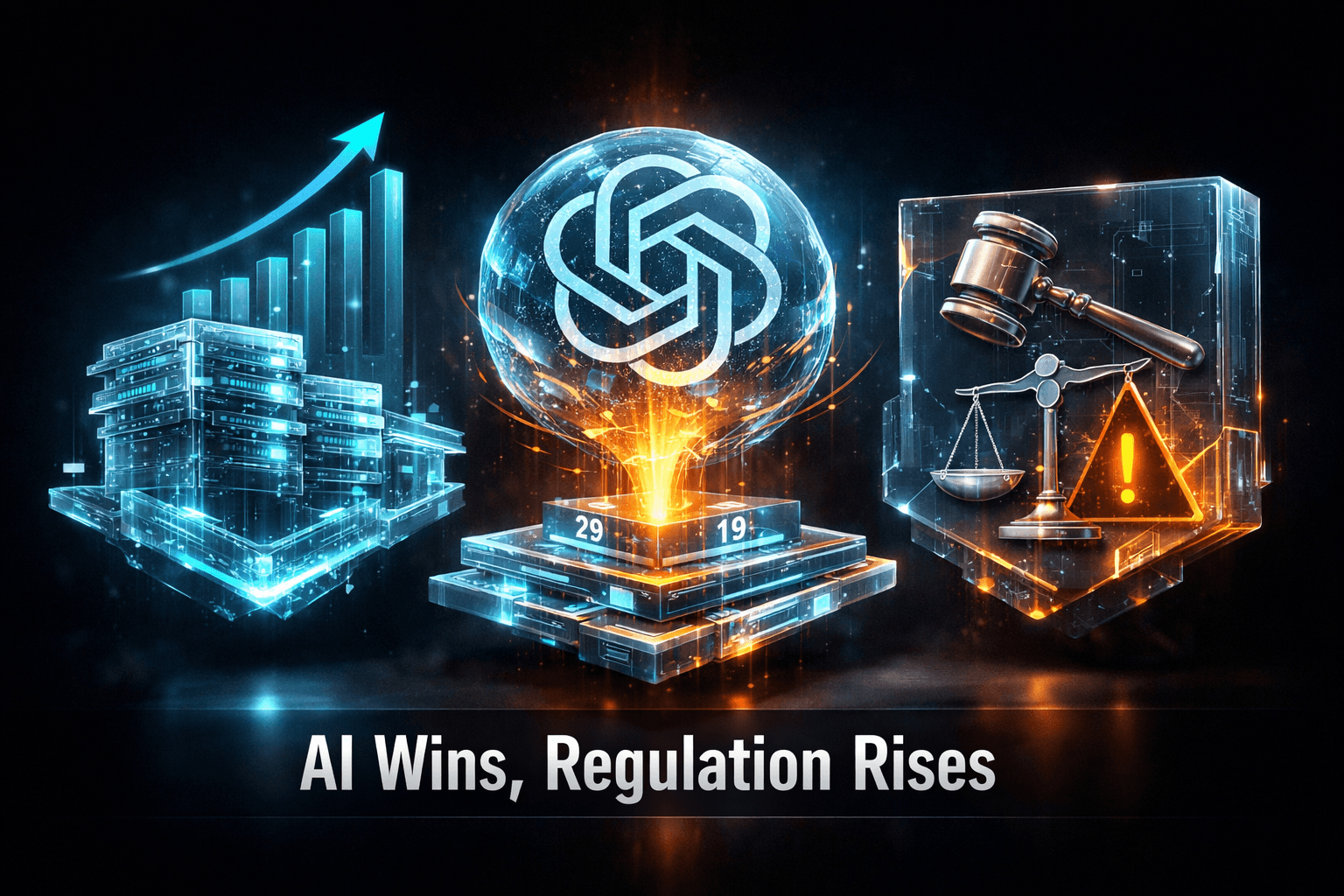
A tug of war defined technology headlines on Oct 24, with clear commercial momentum for some AI and networking suppliers offset by fresh regulatory and execution worries. You saw two themes emerge: vendors capturing large, price-driven AI contracts, and policymakers and critics reining in hype and unproven projects.
That split matters for your portfolio because it suggests selective strength rather than broad-based momentum, as of Friday, Oct 23, with structural demand for infrastructure but heightened scrutiny for consumer-facing AI use cases.
Market Highlights
Heading into the long weekend, market activity on Friday reflected the mixed newsflow. Below are quick facts and price moves tied to today's biggest stories, all quoted as of Friday, Oct 23.
- Ciena (CIEN), Ciena, rallied roughly 3.2% after management said AI demand is outpacing supply for optical networking components, highlighting tightness in backbone hardware.
- $SQ, Block, gained about 2.1% following the release of a highly realistic voice model that can run locally on a MacBook M4 Max, which markets read as an advance for on-device commerce and payments tools.
- DoorDash (DASH), DoorDash, and Uber Technologies (UBER), Uber, both showed modest gains Friday after reports that Instacart held sale discussions with larger rivals, putting M&A chatter back in play for gig-economy platforms.
- OpenAI captured headlines after a reported $100M plus per year deal that shifted Replit's AI spend, a move investors interpreted as increased competitive pressure on Anthropic.
Key Developments
OpenAI price push wins big accounts
Reports say Replit shifted most of its AI spend from Anthropic to OpenAI after OpenAI offered more than 30% off in a deal reported to be worth over $100 million per year. Analysts note this kind of price pressure can accelerate consolidation among model providers, and you should expect more aggressive commercial terms as providers fight for enterprise deals.
Infrastructure demand tightness boosts networking suppliers
Ciena's CEO warned AI-driven traffic is outstripping supply for optical networking chips. The Wall Street Journal interview framed the situation as robust demand for optical capacity and components, which could support suppliers' pricing power and capital spending for years to come.
Regulation and failed projects put consumer AI in the hot seat
Pennsylvania signed an AI deceptive advertising law requiring labels on AI-generated or heavily modified ads. At the same time, TechCrunch and the New York Times ran pieces on AI projects that fell short, from failed launches to an edtech chain that missed its math growth claims for half of K-8 students. Taken together, the stories increase compliance risk and reputational scrutiny for companies that deploy generative tools in consumer-facing ways.
What to Watch
With markets closed on Saturday, Oct 24, you'll want to track a few catalysts before trading resumes on Monday, Oct 26. First, watch whether Anthropic responds commercially to reported OpenAI pricing moves and if competitors offer counter-deals.
Second, monitor supply chain notices from networking suppliers and semiconductor partners, because sustained component tightness would underpin higher capital spending and could lift prices for equipment makers over multiple quarters.
Third, keep an eye on regulatory developments. Pennsylvania's new ad-labeling law could be a template for other states, and you should ask how ad platforms and marketers will operationalize disclosure. How will compliance costs affect margins for ad-heavy businesses?
Finally, look for follow-up reporting on Instacart discussions with $DASH and $UBER, and whether that chatter leads to formal bids or strategic partnerships. M&A noise can shift sentiment quickly, but details matter, so separate the wheat from the chaff as more facts emerge.
Bottom Line
- Momentum is selective: infrastructure and on-device AI advances are showing tangible demand, while consumer AI faces regulatory and performance headwinds.
- Price competition among model providers is intensifying, evidenced by a sizable reported OpenAI deal that pulled spend from Anthropic.
- Supply constraints in optical networking could support suppliers' fundamentals, but component shortages also risk delaying deployments.
- State-level regulation like Pennsylvania's ad-labeling law raises compliance questions for platforms and advertisers using generative AI.
- Stay selective and watch early-week news, because more detail on deals, supply notices, and regulatory guidance will matter to how the market prices these themes.
FAQ Section
Q: Will the Pennsylvania labeling law affect national ad platforms? A: The law applies in Pennsylvania and could prompt national platforms to adopt consistent disclosure policies to avoid fragmentation, analysts note.
Q: Does the Replit-OpenAI report mean Anthropic is out of the running? A: Not necessarily, but data suggests price and contract flexibility are influencing buyers, and Anthropic will likely need competitive commercial offers to regain share.
Q: How should I watch infrastructure suppliers for AI demand? A: Track order books, backlog commentary, and supplier guidance for optical chips and networking gear, because those metrics will signal whether demand is sustaining or easing.