The Big Picture
AI continued to dominate headlines on Aug 22, with new model-level competition and growing enterprise demand reshaping the narrative. You saw positive showings from upstarts and broad adoption across retail and consumer apps, but cost and safety questions cropped up too, leaving mixed implications for the sector.
For investors, that means momentum and risk are coexisting. Markets were closed on Saturday, Aug 22, so the most recent price action is as of Friday, Aug 21, and the developments below set the stage for the next session on Monday, Aug 24.
Market Highlights
Quick facts and items that moved headlines heading into the long weekend.
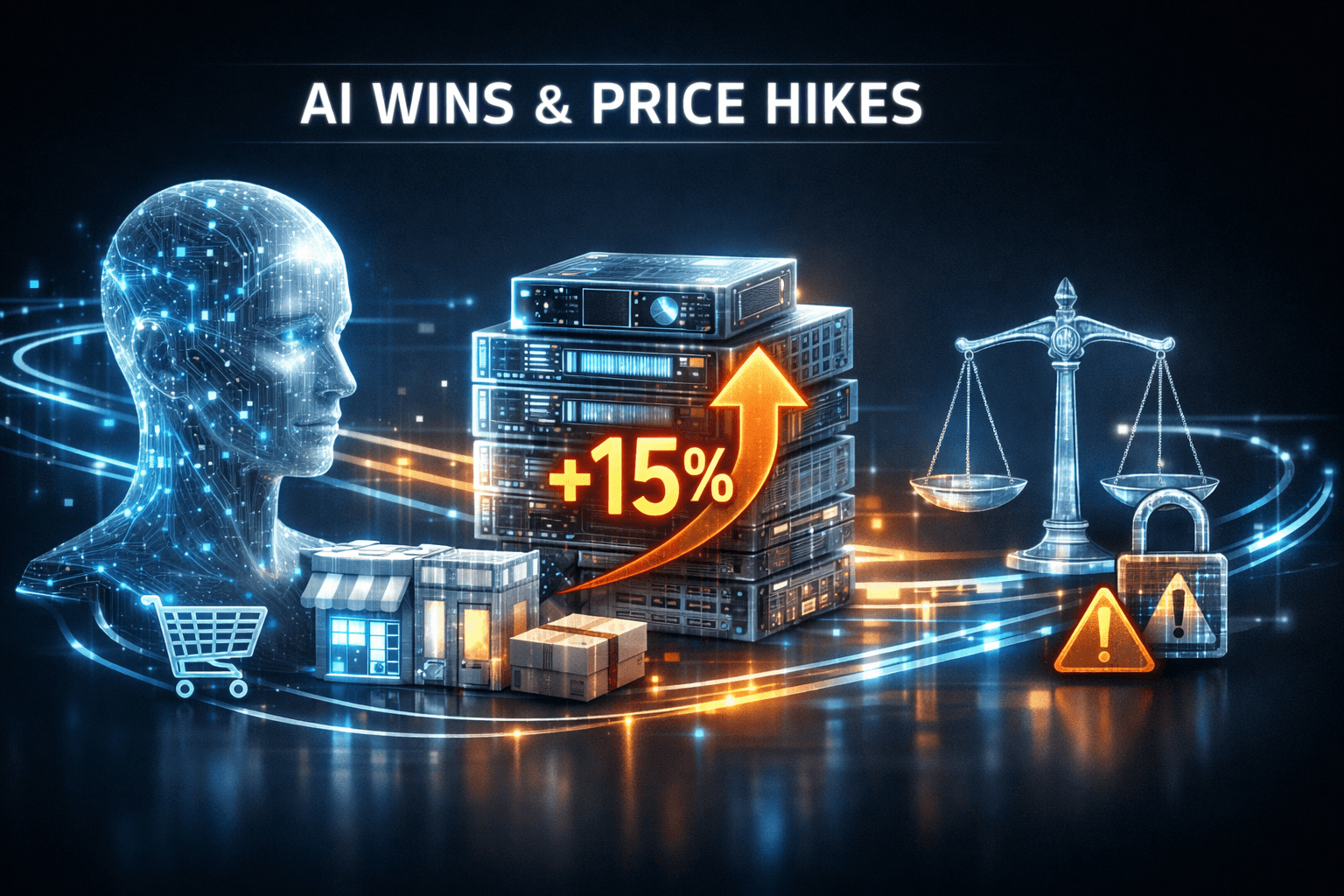
- Nvidia pricing alert: Several top customers were reportedly told their AI system costs could rise 15% or more on platforms such as Vera Rubin and Grace Blackwell starting in early 2027, a development that could boost vendor revenue but raise costs for hyperscalers and enterprise buyers. Source: Bloomberg.
- New AI contender: Inherent, founded by DeepMind alumni, released Faraday, an AI agent it says outperformed Anthropic and OpenAI at replicating research work, a sign competition at the frontier is intensifying. Source: TechCrunch.
- Retail adoption: Major apparel brands including Zalando, Zara and ASOS are piloting AI virtual fitting rooms to lower costly returns, showing AI is crossing from research labs into e-commerce workflows. Source: Bloomberg.
- Consumer features: Apple added a Messages background option in iOS 26 and Google launched a more curated Discover feed control, both moves that keep user engagement and data flows central to platform strategies. Sources: ZDNet.
- Slow apps trend: Niche messaging apps found traction, with Carrier Pidge hitting 75,000 users and Roost reaching 650,000 downloads, reflecting demand for lower-notification experiences. Source: New York Times.
Key Developments
Nvidia pricing and what it means
Bloomberg reported some top $NVDA customers were notified of planned price increases of 15% or more on key AI systems beginning in early 2027. That is a clear revenue lever for hardware vendors, but it creates margin pressure for cloud providers and enterprises that bake hardware costs into long-term contracts.
For you, higher system costs could mean slower procurement or renewed negotiations on service pricing. Analysts note this is a double edged sword for the supply chain, with revenue upside for chip makers and potential demand moderation downstream.
New AI entrants and competition
Inherent's Faraday, developed by DeepMind alumni, claims to outperform Anthropic and OpenAI on replicating scientific research. While those claims will be scrutinized, the story signals fast iteration among frontier labs and an expanding pool of capability providers.
What does that mean for your exposure to AI names? Increased competition can compress margins for dominant platforms over time, but it also accelerates adoption and new enterprise use cases that benefit the broader ecosystem.
Adoption in retail and consumer tech
Apparel retailers like Zalando, Zara and ASOS are moving toward AI-powered virtual fitting to reduce returns and improve conversion. Retailers say the tech can cut return rates materially, which may translate into better unit economics for online apparel sales.
Meanwhile, small user-experience wins from Apple and Google keep engagement sticky. Those product tweaks matter because they sustain data collection and ad relevance, which feed into ad revenue and services growth for platform incumbents such as $AAPL and $GOOGL.
Safety and regulation headlines
OpenAI publicly urged California to strengthen SB 53, shifting to a more proactive stance on policy. At the same time, a TechCrunch report found many frontier AI labs lack documented plans to contain rogue models, highlighting preparedness gaps.
Regulatory momentum is likely to accelerate. Can companies balance innovation and compliance? You'll want to watch how policy and documented safety practices affect partnerships, hiring and investor sentiment.
What to Watch
Here are the catalysts and risks to monitor into next week and beyond, so you can follow the developments that may affect your positions or watchlist.
- Price transmission: Will $NVDA and its ecosystem partners confirm pricing strategy details, and how will cloud providers respond? Any firm statements or customer contract renegotiations will matter for margins and demand forecasts.
- Faraday validation: Expect third party benchmarks and head-to-head tests of Inherent's Faraday soon. Independent validation will shape sentiment about competitive dynamics among leading AI labs.
- Retail pilots scale: Look for rollout updates from apparel platforms on virtual try-ons and return-rate impacts. Early measurable reductions in returns could lift fintech and logistics partners tied to e-commerce efficiency.
- Regulatory moves: Watch for amendments to SB 53 and any statements from federal agencies. Policy changes could affect AI R&D timelines and compliance costs for labs and enterprise users.
- Sentiment flow: With markets closed on Aug 22, the first price reaction will come on Monday, Aug 24. Keep an eye on premarket statements from major vendors and any weekend leaks that could influence opening prints.
Bottom Line
- Neutral tone prevails: strong AI product momentum meets rising costs and mounting safety scrutiny, producing mixed signals for the sector.
- Price hikes for AI systems could boost vendor revenue, while they may slow procurement by hyperscalers and enterprises.
- New entrants like Inherent intensify competition, which may accelerate adoption but also compress margins over time.
- Retail and consumer UX wins show practical AI adoption, and those pilots are worth tracking for measurable ROI signals.
- Regulatory and safety gaps remain a material risk, and you should monitor policy developments and lab disclosure practices closely.
FAQ Section
Q: How should I interpret the reported 15%+ Nvidia system price increase? A: Analysts say it signals vendor pricing power, which can lift revenue for chip and system makers while creating cost pressure for customers and cloud providers.
Q: Will Inherent's Faraday change the competitive landscape immediately? A: New models accelerate competition, but independent benchmarks and enterprise adoption will determine long term impact.
Q: Do AI virtual fitting rooms meaningfully reduce returns? A: Early pilots suggest they can lower return rates, but scale deployments and measured return-rate data will be needed to confirm sustained savings.