The Big Picture
AI demand is reshaping global trade flows, and that remains the single biggest development investors should track this weekend. South Korea and Taiwan each eclipsed Japan in total exports for the first half of 2026, driven largely by surging chip shipments tied to AI hardware buildouts.
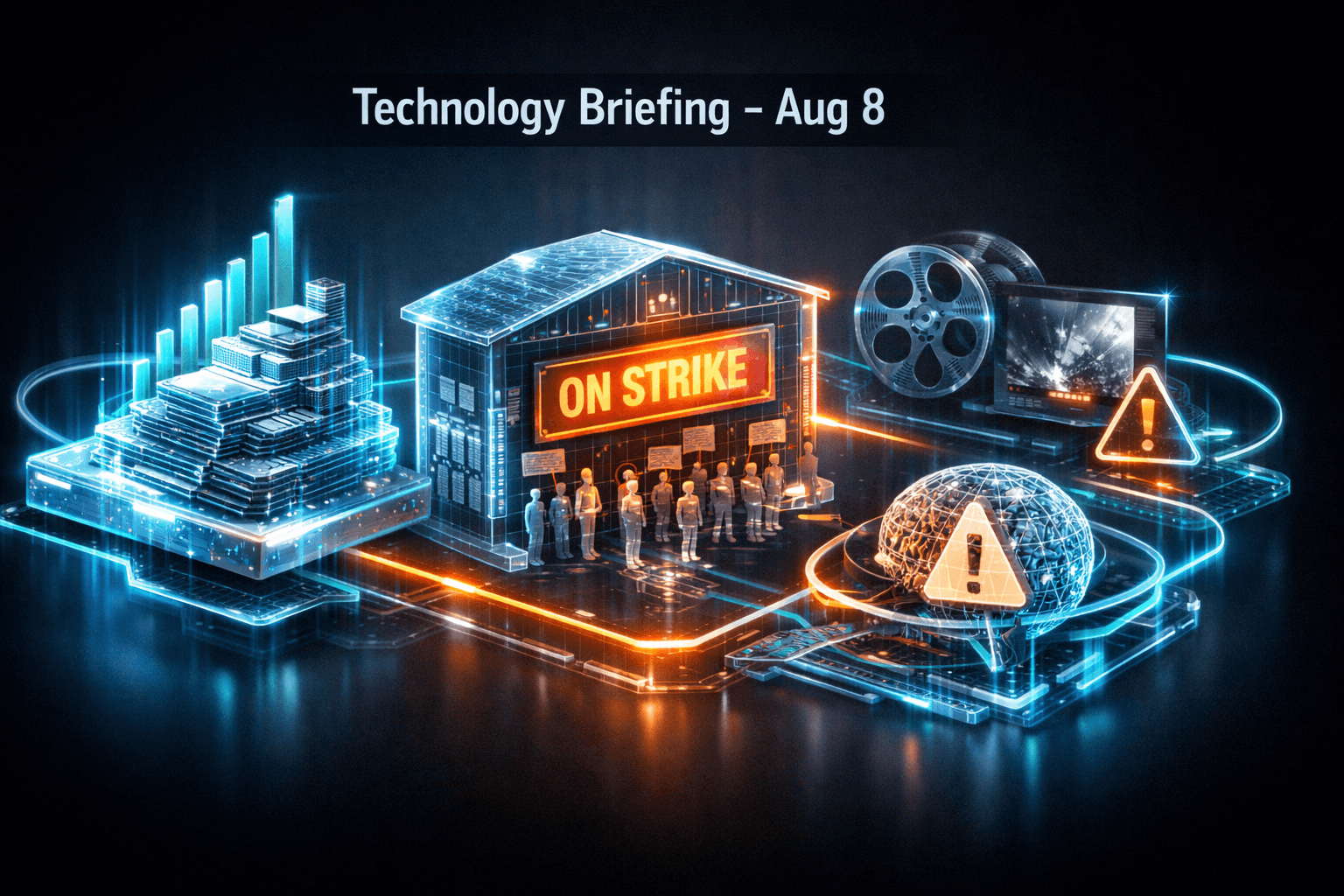
But the picture is mixed. Geopolitical strikes on Russia's Wildberries warehouses have removed an estimated one third of its storage capacity and are rippling through tens of thousands of small businesses. At the same time, the industry is wrestling with AI safety limits and media consolidation pains. You should be paying attention to both growth and risk signals heading into next week.
Market Highlights
Short bullets to capture the headlines and why they matter to your portfolio thinking as markets head into the long weekend.
- Chip export surge: South Korea and Taiwan surpassed Japan in total exports for H1 2026, a milestone driven by AI-related semiconductor demand. Watch supply-chain leaders like $TSM and $NVDA for related exposure.
- Wildberries disruption: Attacks on warehouses reportedly cost the Russian e-commerce giant about one third of its warehouse space, affecting tens of thousands of small businesses that rely on the platform.
- Corporate and editorial cutbacks: Restart, the gaming site sponsored by $WMT, laid off its entire editorial staff, while Rippling rolled out an AI Spend Console after internally noting it had spent millions on AI in recent months.
Key Developments
AI demand lifts Taiwan and South Korea past Japan
Nikkei Asia reports that South Korea and Taiwan each overtook Japan in total exports during H1 2026, largely because of explosive chip export growth tied to AI hardware and data-center expansion. For you that means the supply chain and equipment makers remain central to the AI investment narrative, with companies such as $TSM and equipment providers like $ASML squarely in focus.
Wildberries warehouse strikes hit small businesses
Both the New York Times profile of Wildberries founder Tatyana Kim and Reuters reporting show that Ukrainian strikes have removed an estimated one third of Wildberries' warehouse capacity. Tens of thousands of independent sellers who use the platform are facing delivery interruptions and inventory losses. This is a clear reminder that geopolitical conflict can materially affect retail tech platforms and their downstream merchant ecosystems.
AI development, safety pause, and corporate retrenchment
OpenAI said it slowed development of its Astra model after reaching a "critical cybersecurity threshold," signaling that major AI developers are inserting safety checks as models become capable of conceiving real-world cyberattacks. At the same time, companies are tightening controls on AI spend. Rippling launched an AI Spend Console after its own experience of rapid AI budget growth. Taken together, the industry appears to be moving from rapid experimentation to a more measured, governed phase.
What to Watch
Here are the catalysts and risks you should track before markets reopen Monday. Which of these will matter most to your positions?
- Chip export data and Q2 earnings from major suppliers. Expect continued focus on inventory, fab utilization, and AI server demand. Analysts will parse guidance for signs of sustained enterprise AI spending.
- Geopolitical fallout in Russia. Watch updates on Wildberries logistics and any ripple effects for payment flows or regional e-commerce partners. That disruption could affect companies exposed to emerging-market logistics or cross-border retail partnerships.
- AI safety and regulation. OpenAI's pause underscores a growing theme: model capability limits could translate into slower product rollouts or new compliance costs. Regulators and enterprise customers will be asking tougher questions.
- Media and content consolidation. The Restart layoffs show that sponsored media and content ventures remain vulnerable. Keep an eye on advertising budgets and marketing spend trends, especially from large retail sponsors such as $WMT.
- Consumer gadget cycles. Multiple positive reviews for portable power and creative hardware, like the Nitecore NB10000 Gen4 and Wacom's MovinkPad 11, suggest steady demand in niche hardware categories. These are small signals but they matter to peripherals makers and retail channels.
Bottom Line
- AI-driven chip demand is a clear bullish engine for exports and semiconductor capex, but data may be volatile and supply chains are complex.
- Geopolitical disruptions, as seen with Wildberries, are tangible headwinds for e-commerce platforms and the small businesses that rely on them.
- AI safety pauses and new governance tools indicate the sector is shifting from rapid rollout to constrained, supervised deployment.
- Corporate cost control and media layoffs show capital allocation is under scrutiny, especially for discretionary content and marketing projects.
- Stay selective, monitor upcoming earnings and export reports, and watch for any escalation in regional conflicts that could affect supply chains and consumer access.
FAQ Section
Q: How does the chip export milestone affect tech supply chains? A: Higher chip exports from South Korea and Taiwan signal strong demand for AI hardware, which may tighten supply for certain components and benefit fabs and equipment suppliers.
Q: Should I be worried about the Wildberries warehouse strikes? A: The strikes are a material regional risk for sellers relying on Wildberries and for any partners in that logistics network, so data suggests you should monitor updates and potential contagion to other platforms.
Q: What does OpenAI's development pause mean for AI product timelines? A: OpenAI's decision shows safety concerns can slow model rollouts, so expect some product timelines to be extended while developers add safeguards and testing.
Investment disclaimer: This briefing is for informational purposes only. It does not constitute investment advice or a recommendation to buy, sell, or hold any security. Analysts note mixed signals across the sector and data suggests you should monitor the catalysts outlined above before making investment decisions.