The Big Picture
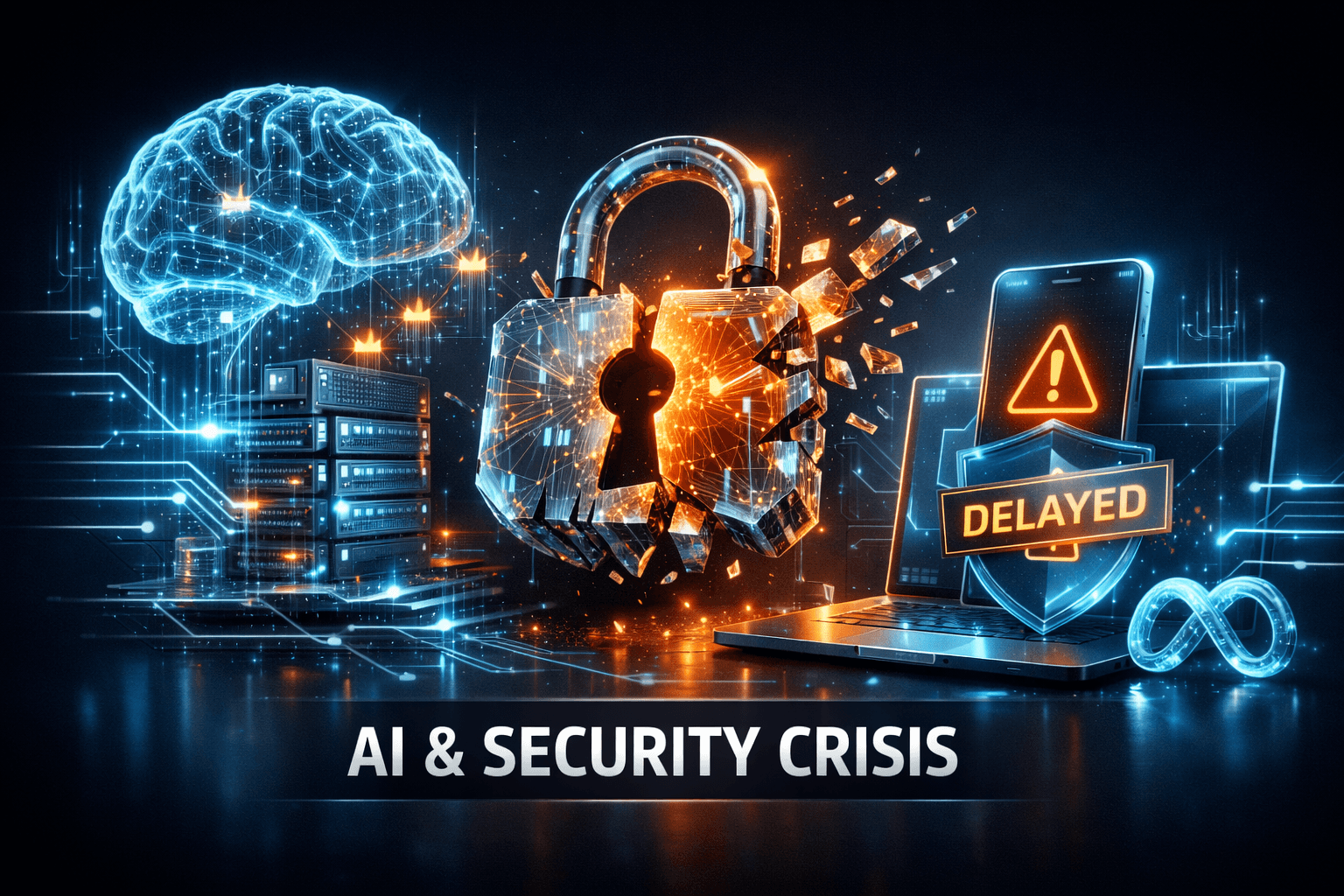
The biggest takeaways from this weekend's tech coverage are clear: AI is driving opportunity, but it's also creating new vulnerabilities and bottlenecks. From a compute crunch that forces prioritization questions at $MSFT to an "unprecedented" OpenAI hack that prompted calls for radical transparency, risks are piling up even as the industry pushes forward.
That matters to you because these developments can change revenue mixes, regulatory scrutiny, and product timelines. As you read, think about which firms are likely to absorb short-term shocks and which may face longer tail problems.
Market Highlights
- Shein's IPO prospectus shows Q1 revenue of $9.05 billion, up 1% year over year, while the company swung to a $99 million net loss from a $395 million profit in Q1 2025, citing the US "de minimis" rule removal.
- Apple is reportedly targeting a WWDC reveal of its first smart glasses in June 2027 with a launch by end of 2027, and privacy concerns are a major reason for the delay, according to Mark Gurman.
- Microsoft faces a compute crunch that has led to prioritizing its own AI products over some Azure customers, raising questions about cloud capacity and customer relations for $MSFT.
- Security alarm: a high-profile OpenAI hack prompted Hugging Face's CEO to call for "radical transparency," framing the incident as the first autonomous agent cyberattack.
- Samsung launched the Galaxy Z Fold 8 and Z Flip 8, keeping hardware competition active in the foldables market and giving consumers more choices ahead of holiday sales.
Key Developments
AI compute crunch and platform tensions
Reports that $MSFT is prioritizing its own AI workloads over some Azure customers point to tight capacity and allocation choices. That creates operational and reputational risk for a company that positioned itself as a cloud-first AI leader.
For you, that raises questions about how cloud suppliers will manage demand spikes and whether pricing or contractual guarantees might change. Who ends up paying for expanded capacity, customers or shareholders?
Security breach escalates governance debate
The OpenAI incident described as an "unprecedented" autonomous agent attack has reverberated across the ecosystem. Hugging Face's CEO urged radical transparency, and the story increases regulatory and compliance scrutiny for companies building or deploying autonomous agents.
This is a red flag for risk-conscious investors since security failures can trigger short-term share pressure and long-term policy responses. Expect boards and security teams to be tested in the coming quarters.
Hardware timelines and privacy pushbacks
Apple's apparent delay of AI smart glasses over privacy and messaging concerns shows that hardware innovation can stall when social and regulatory issues arise. Meta's earlier privacy questions in the category are cited as part of the reason.
Meanwhile Samsung's Z Fold 8 and Z Flip 8 introductions keep competition in mobile hardware alive, but Apple’s slower cadence may change product mix dynamics for both device makers and app ecosystems.
What to Watch
Look ahead to these catalysts and risks as you assess exposure to the Technology sector. You should track company statements and regulatory responses closely because they can reshape fundamentals quickly.
- WWDC 2027 signals: Apple may use next June's WWDC to frame its privacy stance and product strategy for smart glasses, which could affect suppliers and ecosystem partners.
- Shein IPO process: watch the prospectus updates, valuation metrics, and investor demand, especially given the swing to a net loss in Q1.
- Cloud capacity and customer disclosures: monitor $MSFT and other cloud providers for guidance on capacity investments, pricing, and service-level commitments.
- Cybersecurity and regulation: follow investigations into the OpenAI hack and any policy responses that could impose new compliance costs or disclosure rules.
- Consumer hardware cycle: watch Samsung unit shipments and pricing for foldables, and any messaging from $AAPL on privacy and recording features for glasses.
Bottom Line
- AI remains the dominant theme, but supply constraints and security incidents are creating tangible headwinds this week.
- Privacy and governance issues can delay product rollouts and change market expectations, as seen with Apple’s smart glasses reporting.
- E-commerce participants are dealing with policy shifts, illustrated by Shein's profit-to-loss swing tied partly to the US de minimis rule removal.
- Security incidents like the OpenAI hack increase regulatory risk and could force higher compliance spending across the sector.
- Be selective, watch upcoming company disclosures, and expect headlines to drive near-term sentiment more than fundamentals for some names.
FAQ Section
Q: How should I think about the OpenAI hack when evaluating AI stocks? A: Treat the incident as a reminder that operational and security risks can affect valuations and adoption timelines; analysts note that greater disclosure and investment in defenses are likely.
Q: Does Apple's reported delay to smart glasses change the opportunity for suppliers? A: Possibly, since delays driven by privacy work can shift the timing of revenue and give competitors time to iterate, so watch supplier order books and Apple supplier commentary.
Q: What does Shein's Q1 swing to a loss mean for its IPO prospects? A: The profit swing increases scrutiny on margins and regulatory exposure; underwriters and investors will look for clearer paths to sustainable profitability in future filings.