The Big Picture
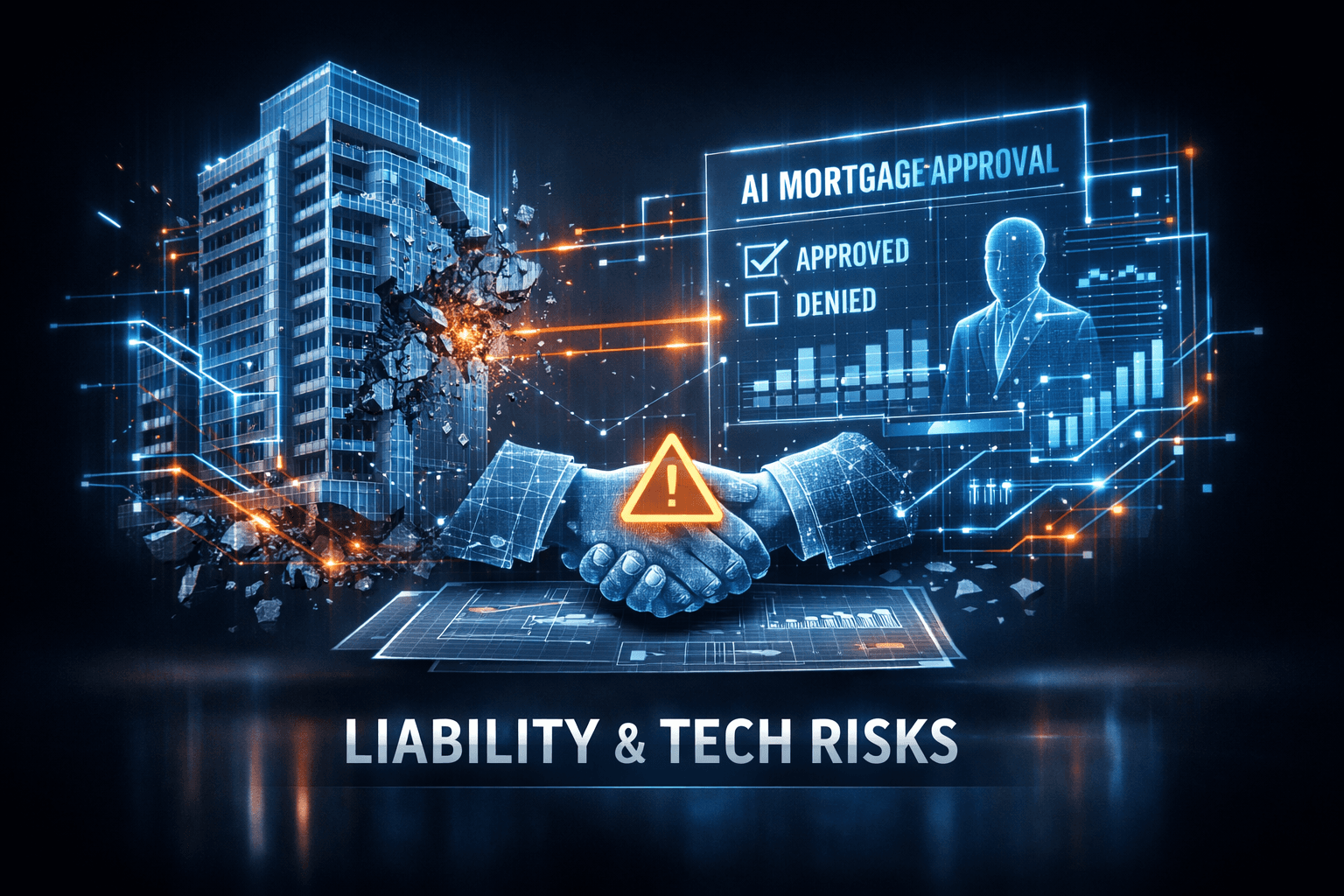
Today the Real Estate sector is under a risk microscope. A trio of stories this morning highlights liability exposure, tech implementation pitfalls, and the enduring value of simple, hands-on deal math.
Why does this matter to you as an investor? Because rising awareness of legal and compliance risk can pressure returns for landlords, insurers, lenders, and builders, while weak implementation of AI tools can create operational and regulatory surprises.
Market Highlights
Markets reacted cautiously to the headlines, with risk-sensitive names under pressure in early trading.
- $VNQ, the US REIT ETF, traded down about 0.8% in early session action, reflecting risk-off flows into the sector.
- $RKT, a mortgage-originator and tech-driven lender, eased roughly 1.5% as the AI mortgage tool debate raised execution concerns for originators.
- American International (AIG) and The Travelers Companies (TRV), major property and casualty underwriters, were each down near 0.6% as markets digest potential liability and claims volatility linked to building safety issues.
- $DHI, a large homebuilder, showed limited movement after commentary on builder deal diligence underscored the need for simpler checks in project underwriting.
Key Developments
Grenfell Tower lessons, landlord and underwriter exposure
Coverage of the Grenfell Tower fire underscores how a single catastrophic event can multiply economic damages far beyond repair costs. HousingWire reports that fatal fire economic damages surged to more than 4,000 times the cost of the avoided repairs, a stark reminder of concentrated liability risk.
For you, that means landlords and insurers face potential recalibrations of reserves and underwriting standards. Analysts note that pricing and capital adequacy for property insurers could be tested if similar loss paradigms gain traction globally.
AI mortgage tools need accountable originators
HousingWire's piece on AI in mortgage origination warns that off-the-shelf chatbots can fail in production when compliance and real follow-up workflows are missing. The story stresses that only parties with true operational skin in the game should deploy automated decision tools.
That has direct implications for mortgage originators and fintechs. Lenders that rush AI rollout without documented controls and post-decision human oversight could face regulatory pushback and higher remediation costs, which may pressure earnings and increase operational risk.
Yellow-pad math versus complex models in builder deals
Another HousingWire story argues that simple relationship checks can reveal anomalies and opportunities that spreadsheets sometimes obscure. The recommendation: start with basic arithmetic and logic before relying on complex model outputs.
For investors that means deal-level transparency and conservative assumptions remain essential. Builders and developers that lean on opaque modeling without simple sanity checks could misprice projects or leave unrecognized exposures on their balance sheets.
What to Watch
There are several near-term catalysts and risk points that could change the tone for the sector, so keep your eyes on these items.
- Regulatory and legal updates tied to the Grenfell inquiry or similar investigations, which could drive claims or compliance costs for owners and insurers.
- Guidance and enforcement actions from mortgage regulators around use of AI in underwriting and borrower communications, which could affect originators' operating models.
- Earnings from large REITs and insurers over the next quarter, where reserve changes or compliance costs may show up, particularly for names with concentration in multifamily or older building stock.
- Deal-level disclosure in homebuilder filings, including $DHI and peers, where investors should look for simple checks on margins, lot costs, and warranty reserves.
- Secondary indicators such as liability reinsurance pricing and underwriting spreads, which often move before balance sheet adjustments are reported.
How exposed is your portfolio to these risks? You may want to verify disclosures and follow analyst notes closely ahead of quarterly reports.
Bottom Line
- Liability risk is resurfacing as a primary sector concern after the Grenfell analysis, and that can affect landlords, insurers, and reinsurers.
- AI in mortgage origination offers promise, but compliance gaps and weak workflows create operational and regulatory downside.
- Basic, transparent deal math still matters. Simple checks can prevent costly surprises in builder and development deals.
- Watch insurer reserve updates, regulator commentary on AI tools, and builder disclosures for signs of increased costs or tightening underwriting.
- Analysts note the outlook is mixed and caution is warranted, not alarm. Still, selectivity and closer scrutiny of disclosures make sense right now.
FAQ Section
Q: How could the Grenfell lessons affect U.S. landlords and insurers? A: Major liability events can prompt higher claims, larger reserve builds, and tougher underwriting, which may pressure insurer results and landlord valuations.
Q: Should you be worried about AI tools in mortgage lending? A: You should monitor whether originators document controls, human oversight, and remediation workflows, since weak implementation increases compliance and operational risk.
Q: What practical steps can you take right now? A: Review portfolio disclosures for building safety, insurance and reserve assumptions, and pay attention to company comments on AI governance and deal-level underwriting practices.