The Big Picture
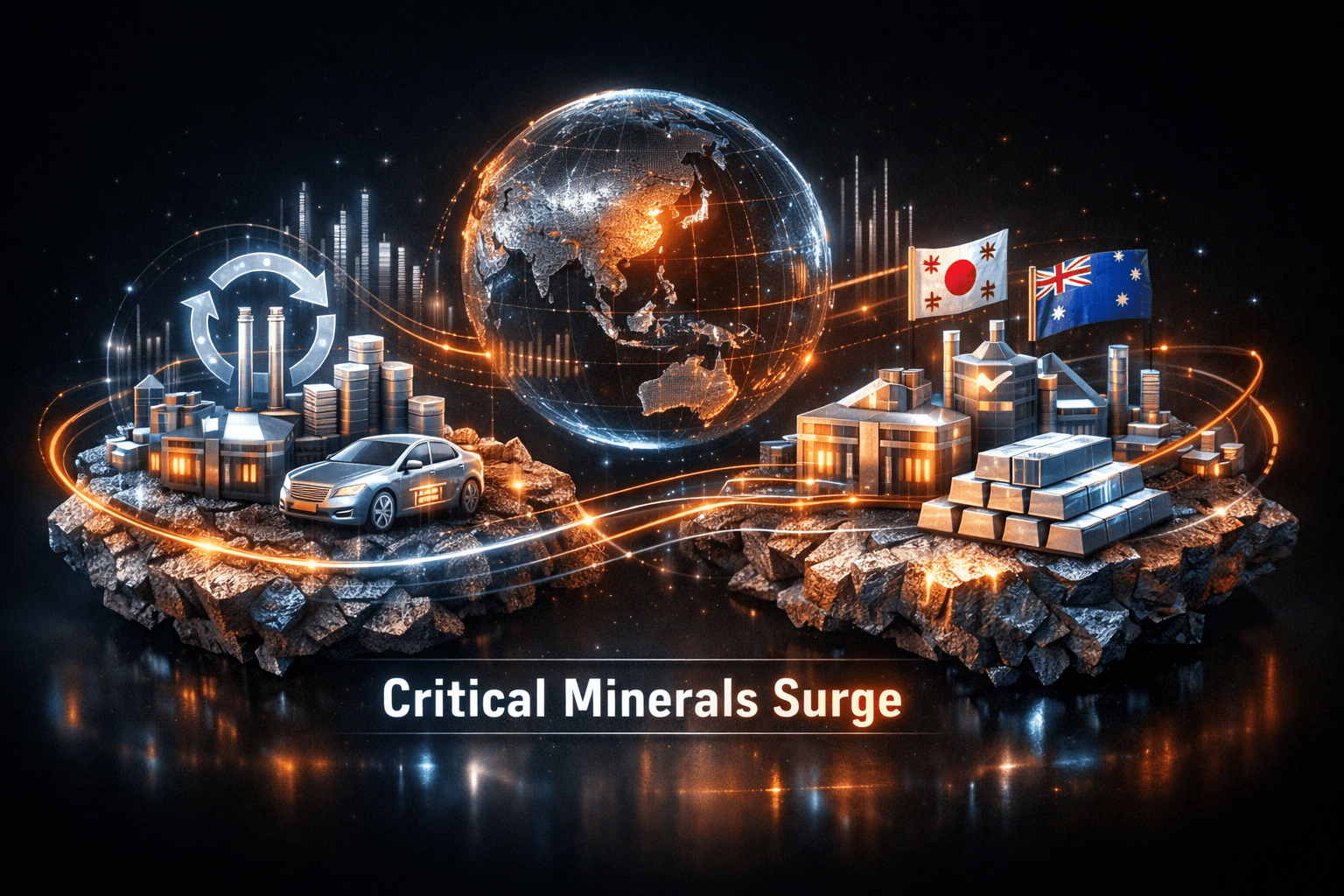
The Materials & Mining sector is getting a practical boost from two on-the-ground stories that matter to you, even though US markets were closed Sunday. Atlanta's expanding battery and vehicle manufacturing footprint, paired with investment in metals recycling, is creating a U.S. hub that can link mineral developers to processors and industrial customers.
At the same time, a close look at Australian Strategic Materials' Korean metals plant shows operational progress in downstream rare earth processing. Taken together, these developments suggest supply chain integration is moving from strategy to execution, and that could support demand for processed critical minerals and related technologies over time.
Market Highlights
Note, US equity markets were closed Sunday. References to market positioning are framed as of the last trading day, Friday, October 30, heading into the long weekend.
- Regional industrial push: Atlanta's metro area, home to about 6.5 million people, is being highlighted as a practical site for critical minerals demand because of growing battery and vehicle manufacturing and metals recycling activity.
- Downstream capability: Australian Strategic Materials, listed as $ASM, showcased its Korean metals plant, illustrating the kind of processed rare earth capability that complements upstream mining projects.
- Supply chain focus: Coverage stresses closer links between miners, recyclers, and industrial customers as a key theme for the sector heading into next week.
Key Developments
Atlanta's Critical Minerals Hub
Atlanta's metropolitan region is being framed as a strategic place to connect mineral developers with processors and end users. The story emphasizes battery and vehicle manufacturing growth along with metals recycling investments, which together create local demand for processed materials.
Why should you care? Localized industrial clusters can shorten supply chains, lower logistics costs, and make projects more bankable. What does that mean for project developers and for you as a market watcher, it means projects that can demonstrate nearby demand and processing pathways may attract more capital.
Australian Strategic Materials' Korean Metals Plant
A first-hand visit to $ASM's Korean metals plant highlights how a downstream rare earths facility can operate in an industrial ecosystem. The reporting notes technical competence in production and marketing of less common metals, underscoring that processing know-how is critical to convert mined ore into commercially useful products.
For investors tracking the supply chain, this is a reminder that raw mine output is only one step. You should note that demonstrated processing capability can reduce project risk and help firms secure long-term offtakes from manufacturers.
Recycling and Industrial Integration
Both pieces underline recycling and integration as practical levers to strengthen domestic and allied supply chains. Metals recycling can supplement mined supply and provide feedstock for nearby processors, which helps to insulate supply against geopolitical and transport disruptions.
Can US hubs like Atlanta reshape miner economics by creating captive demand? The short answer is yes, they can help, especially when recycling and processing assets are co-located with manufacturers.
What to Watch
Look for announcements that translate these narratives into contracts, permits, and financing. You should watch for offtake agreements between processors and automakers, recycling facility permits in Georgia, and any financing updates from $ASM about capacity ramps.
Key near-term catalysts include state or federal policy moves on critical minerals, permitting milestones for recycling and processing plants, and corporate updates from battery makers and rare earth processors. Are procurement teams at automakers formalizing local sourcing? That will be a tell.
Risks to monitor include permitting delays, technical setbacks in scaling processing operations, and shifts in commodity demand linked to EV adoption cycles. Keep an eye on execution rather than announcements, because delivery is what changes economics.
Bottom Line
- Regional industrial clustering in Atlanta and operational progress at $ASM point to growing supply chain integration in critical minerals.
- Processing and recycling capacity matter as much as mine production when it comes to securing long-term industrial demand.
- Watch for tangible proof points next week, such as offtake deals, permits, or financing, that turn strategy into cash flows.
- Risks remain around permitting and scale-up, so you should focus on execution milestones when evaluating companies.
FAQ Section
Q: How does Atlanta's manufacturing growth affect miners? A: Proximity to battery and vehicle plants, plus recycling, can create local demand for processed materials and reduce logistics costs for miners who can show integrated supply solutions.
Q: Why is Australian Strategic Materials' Korean plant important? A: It demonstrates downstream processing capability for rare earths, which is essential to convert raw minerals into marketable products for manufacturers.
Q: What short-term signs should I watch for? A: Look for offtake agreements, permitting milestones for recycling and processing facilities, and public updates on capacity ramps and financing as indicators of progress.