The Big Picture
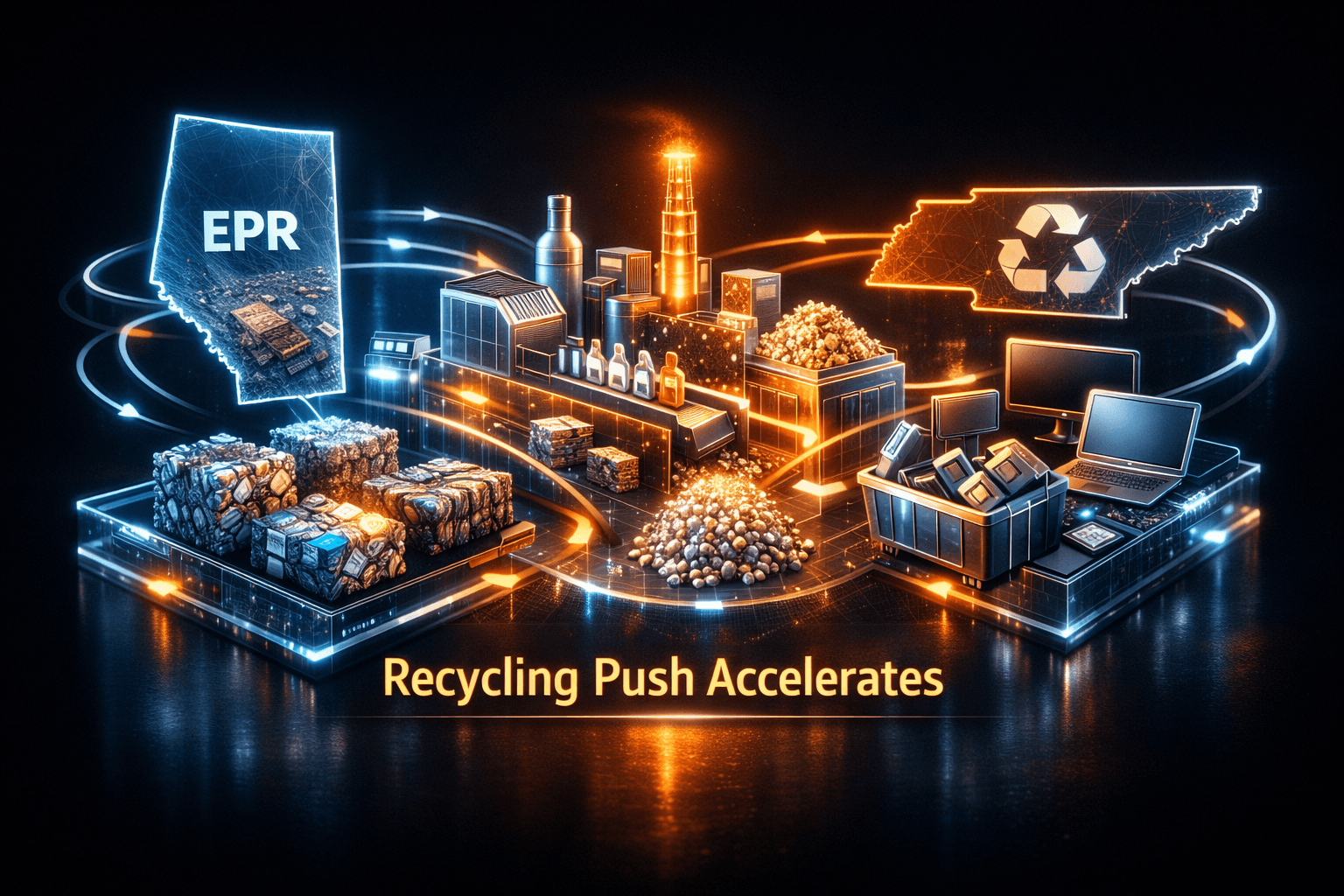
Alberta completed a province-wide transition to extended producer responsibility for packaging and paper, a regulatory change that could reshape supply chains for recycled materials and increase corporate responsibility costs for producers. These policy moves, together with private-sector capacity additions and local electronics collection programs, underline a larger shift toward recycling infrastructure and feedstock scaling.
Markets were closed on Sunday and the last trading day was Friday, October 2. You won’t see U.S. equity moves on this Sunday, but these developments matter heading into the long weekend because they signal regulatory and demand trends that could influence materials and recycling-related companies next week.
Market Highlights
Quick facts and context for investors to digest before markets reopen on Monday.
- Alberta EPR rollout, source PRO Circular Materials: 287 communities now have access to expanded, producer-managed recycling services for packaging and paper.
- Supersede manufacturing facility, source Recycling Today: new plant opened in Elkhart County, Indiana, focused on building materials made from recycled polypropylene, bringing local conversion capacity closer to end markets.
- Cheatham County, Tennessee electronics program, source Recycling Today: partnership with City eWaste gives over 40,000 residents a place to drop off end-of-life electronics, easing household e-waste streams.
Key Developments
Alberta completes EPR for packaging and paper
Alberta’s full transition to extended producer responsibility means producers are now required to fund and manage packaging and paper recycling across 287 communities, according to PRO Circular Materials. For investors you need to note that EPR tends to increase demand for post-consumer recycled feedstock while also shifting collection costs from municipalities to producers.
This can create opportunities for recyclers and processors that handle packaging and paper streams, and it may pressure packaging producers to redesign for recyclability or face higher compliance costs. Expect regional recyclers to see steadier volumes as collection coverage expands.
Supersede opens recycled-polypropylene plant in Indiana
Supersede’s new manufacturing facility in Elkhart County places conversion capacity near a dense base of RV and building-materials producers. The plant will produce building materials using recycled polypropylene, closing part of the loop between collection and finished goods.
For you, the key implication is improved logistics and lower transportation intensity for recycled resin supply to regional manufacturers. That could support margin improvement for companies that integrate recycled content, and it may accelerate adoption among suppliers located in the same industrial cluster.
Expanded residential e-waste collection in Tennessee
Cheatham County’s partnership with City eWaste extends residential electronics recycling to more than 40,000 residents, creating a reliable local stream of end-of-life devices and components. That supply can feed downstream processors and material recovery operations that extract metals and plastics.
Electronic waste programs also provide concentrated sources of valuable materials, including copper, gold, and rare earths in small quantities. If you follow specialty processors and scrap buyers, growing municipal drop-off programs are a source of lower-cost feedstock that can improve recovery economics over time.
What to Watch
Look for policy and commercial signals in the week ahead that will determine how much momentum these stories carry into the market.
- Regulatory rollouts: Watch for implementation details and reporting from Alberta on collection volumes and producer fees, which will indicate the pace at which material flows into processors.
- Operational updates: Supersede’s capacity ramp and utilization rates will be important. Monitor local news or company releases for early production numbers and customer wins.
- Feedstock quality and pricing: As you evaluate recycling-related names, track changes in the availability and cost of curbside paper, packaging streams, and e-waste components. Data on contamination rates and bale prices will matter.
- Policy contagion: Could other provinces or U.S. states adopt similar EPR measures? Keep an eye on provincial and state regulators and industry associations for signs of broader policy adoption.
- Commodity and downstream demand: Metals recovered from e-waste and recycled polymers face market-price cyclicality. Follow commodity prices and durable-goods demand for clues about throughput expectations.
Bottom Line
- Alberta’s EPR completion and local recycling expansions are positive structural developments for the circular materials market, increasing predictable feedstock volumes.
- New conversion capacity, like Supersede’s Indiana plant, helps shorten the path from recycled input to finished product and can improve logistics economics for regional manufacturers.
- You should watch implementation details and early utilization metrics to assess which operators will capture the most benefit from higher collection rates.
- Policy momentum increases near-term visibility for recyclers and processors, but commercial execution and feedstock quality will determine winners.
- These items are informational and reflect market trends, analysts note, not individualized investment advice.
FAQ
Q: How quickly will Alberta’s EPR increase recycled material volumes? A: Alberta’s rollout covers 287 communities, so collection volumes should rise gradually as producer-managed systems scale and public participation increases. You’ll likely see step-up over several quarters as logistics and consumer awareness improve.
Q: Will Supersede’s new plant lower recycled-polypropylene costs? A: Local conversion can reduce transport costs and lead times, which helps economics, but overall feedstock quality and market demand will determine price effects. Track utilization and downstream contracts for clearer signals.
Q: Can municipal e-waste drop-off programs change material supply economics? A: Yes, programs that concentrate electronics from households create more consistent feedstock streams, which can improve recovery rates and lower per-unit processing costs for recyclers and metals recoverers.