The Big Picture
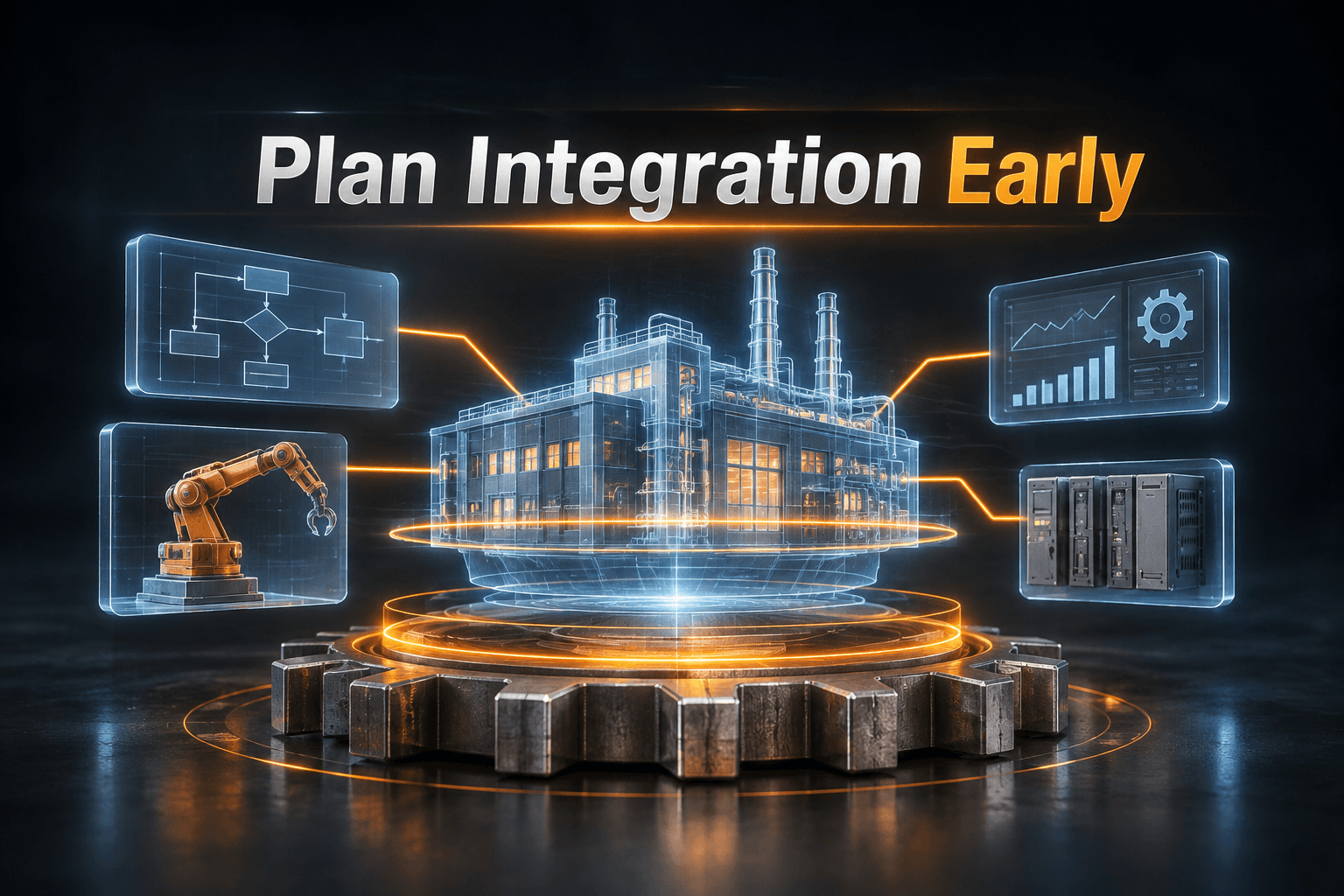
Planning system integration from the outset can influence nearly every later automation decision, according to a Plant Engineering article published Friday, November 27. For industrial companies, the point is less about a single technology purchase and more about how equipment, software, and processes are coordinated across a project’s life cycle.
The article outlines a practical framework, drawing on two real-world examples and five implementation tips, though the available summary doesn’t disclose their details or quantify results. US markets are closed this Saturday, so there’s no current session reaction to report. For you as an investor, the takeaway is operational: integration planning may affect project execution and costs, but this story alone doesn’t establish an earnings or stock-price impact.
Market Highlights
This is a trade-publication development rather than a corporate announcement. It names no public company, provides no financial metrics, and reports no stock moves. That makes it useful as an industry theme to monitor, not as a direct trading signal.
- Plant Engineering published “Building a system integration strategy that pays for itself” on November 27, 2026, at 2:08 p.m.
- The article addresses system integration across the automation life cycle and says early planning can improve downstream decisions.
- It references two real-world examples and five implementation tips, but the supplied summary gives no project names, savings figures, or performance percentages.
- US equities were closed Saturday, November 28. The next regular trading day is Monday, November 30, and no sector price changes are provided here.
Because the report doesn’t identify companies or ticker symbols, there’s no defensible basis to connect it to a particular stock. Industrial automation firms and manufacturers may be relevant areas for further research, but the article doesn’t announce a contract, product launch, or change in demand.
Key Developments
Early integration planning is the central message
The article’s main argument is that integration should be considered from the start rather than treated as a late-stage task. In an automation project, early decisions can set constraints for later choices about equipment, software, and how systems work together. The report frames this as a practical way to approach integration throughout the life cycle.
For companies, that approach could help teams identify compatibility or coordination issues before they become harder to address. The potential benefit is better execution, not guaranteed savings: the article’s title suggests a strategy that can pay for itself, but the provided information includes no cost comparisons or quantified return on investment. You’ll want to distinguish that general proposition from verified financial outcomes when evaluating a company’s claims.
Practical examples, but no disclosed results
Plant Engineering says its framework includes two real-world examples and five implementation tips. Those elements suggest the piece aims to translate integration planning into practical steps, but the supplied summary doesn’t say which industries or systems the examples cover. It also doesn’t report project timelines, implementation costs, or measured productivity gains.
That limit matters for investors. A useful operational framework may help explain how manufacturers think about automation projects, but it isn’t evidence that any named business has improved margins or lifted output. If a company later reports integration-related savings, delivery performance, or capital spending, those disclosures would provide a firmer basis for judging financial significance.
Potential implications are operational, not an immediate catalyst
System integration can sit between capital investment and the operational results companies hope to achieve. When assessing manufacturers, you can watch for disclosures about project completion, implementation expense, production efficiency, or delays. These are general areas to investigate, not outcomes reported in this article.
Could early planning matter to long-term competitiveness? It may, particularly where automation projects depend on multiple systems working together. But without company-specific evidence or reported results, the prudent reading is that this article raises a relevant execution theme rather than changing the sector outlook.
What to Watch
Heading into Monday, November 30, there is no specific earnings release, policy event, or company catalyst identified in this report. Keep the calendar and company disclosures in view rather than inferring a market event from an industry article. The next trading session may provide broader price context, but no forecast can be drawn from this story alone.
For your research, look for manufacturers to explain how automation projects are budgeted, integrated, and measured. Useful evidence would include disclosed spending, project milestones, commissioning schedules, productivity measures, or financial effects. Also note whether management separates expected benefits from realized results. Those details can help you assess execution risk without treating a general framework as proof of performance.
Implementation complexity remains a consideration: integration work can involve coordination across systems and project stages, while the article summary offers no data on costs or timelines. Avoid assuming that an integration strategy will automatically produce savings. A selective approach makes sense until company-level disclosures provide more clarity.
Bottom Line
- Plant Engineering’s November 27 article says integration planning can shape decisions across the automation life cycle.
- The report cites two examples and five tips, but the supplied summary includes no named companies or measurable financial results.
- No percentage moves, prices, or sector market reaction are available, and US markets were closed on November 28.
- Treat integration as an operational theme to track, not as a stand-alone stock catalyst.
- For Monday and beyond, look for company disclosures that connect automation spending with completed projects and measured outcomes.
FAQ
Q: What is the main point of the integration article? A: It argues that planning system integration from the start can improve downstream decisions across the automation life cycle.
Q: Did the report identify a stock or provide financial results? A: No. The supplied summary names no company or ticker and gives no earnings, savings, or stock-price data.
Q: What should investors monitor next? A: Watch for company disclosures on automation spending, project milestones, execution, and measurable operational or financial results.