The Big Picture
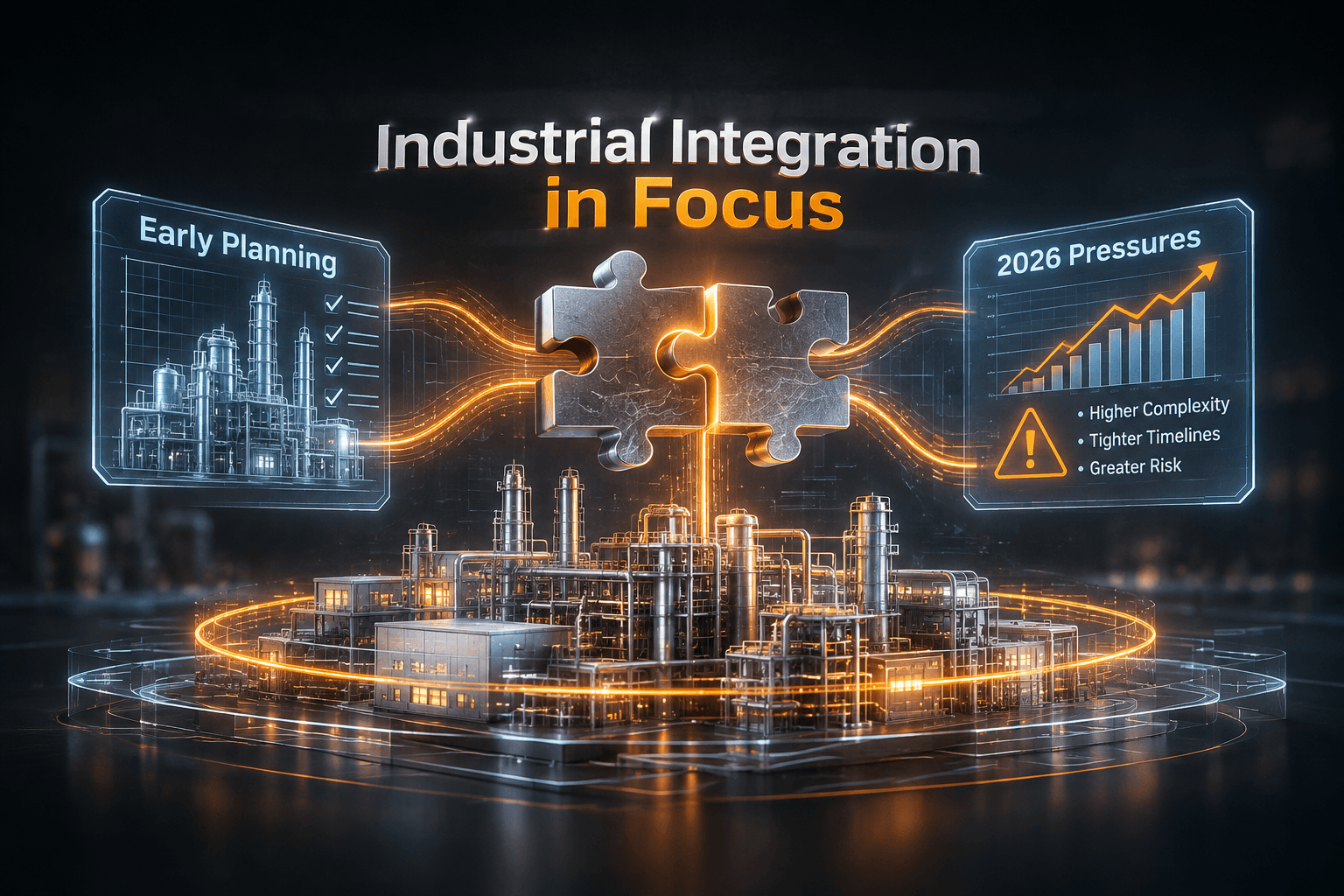
Industrial integration is getting attention as manufacturers weigh how to connect systems across the automation life cycle while operating amid trade uncertainty, labor shortages and rapid AI developments. Plant Engineering's Nov. 27 article argues that planning integration early can improve downstream decisions, making the issue relevant to both operational efficiency and long-term investment analysis.
A separate report published Nov. 26 describes a difficult operating backdrop for system integrators, with familiar pressures now joined by AI-related change. The two stories offer mixed signals: better planning may help companies capture value, but the route to doing so remains exposed to external costs and execution challenges. What should you take from that? The near-term takeaway is a strategic theme, not a measurable sector-wide trading catalyst.
Market Highlights
The coverage is about manufacturing processes and industry conditions, not individual public companies. Neither report names a listed company or provides revenue, earnings, stock-price, percentage-change or valuation figures, so a specific market reaction cannot be confirmed from these stories.
- Plant Engineering's Nov. 27 feature focuses on building a system integration strategy from the outset, and refers to two real-world examples and five implementation tips.
- A Nov. 26 Plant Engineering report identifies tariff pressure, shifting trade policies, economic volatility, workforce shortages and AI as challenges for system integrators in 2026.
- No ticker symbols, share-price movements or company-level financial results were included in the supplied reports.
For you as a retail investor, that means treating the coverage as industry context rather than a signal about a particular stock. The reports point to issues that could influence project planning and operating priorities, but offer no quantified evidence on the size or timing of any financial impact.
Key Developments
Early integration planning could shape project economics
The Nov. 27 article makes the case that integration planning should begin at the start of an automation effort, rather than being left until separate systems need to be connected. Its central point is that early decisions can affect choices throughout the automation life cycle. The article offers two real-world examples and five implementation tips, although the supplied summary doesn't provide their details or report quantified savings.
For manufacturers, the investment question is whether coordinated planning can reduce friction across projects and help operations work as intended. That possibility matters because integration choices can touch equipment, software and workflows. Still, a framework or example isn't proof of returns for every facility. You'd want company disclosures or project-level results before concluding that a strategy has improved margins, productivity or cash flow.
Integrators face a crowded set of operating pressures
The Nov. 26 report describes system integrators entering 2026 amid tariffs, shifting trade policies, economic volatility and workforce shortages, with AI adding another area of change. Those pressures can complicate planning and execution, particularly when companies are making decisions against uncertain costs or staffing capacity. The supplied summary doesn't quantify their impact or say which companies are most exposed.
These headwinds help explain why a thoughtful integration strategy may be valuable, but they also make results harder to predict. Changes in trade policy may affect project assumptions, while workforce constraints can be relevant to implementation schedules. AI adds a developing technology dimension, yet the article summary doesn't specify particular deployments or outcomes. For investors, the connection between the two stories is therefore strategic: planning may help address complexity, but it doesn't remove external risks.
Sector implications remain broad, not stock-specific
Together, the reports suggest that automation integration is an ongoing management issue, not simply a technical step at the end of a project. Companies that plan for connectivity across the life cycle may be better positioned to assess how systems fit together. However, the coverage doesn't identify firms with an advantage, estimate industry-wide spending or show whether customers are accelerating or delaying projects.
That distinction matters when interpreting sector news. A useful operating framework can be relevant without immediately changing financial forecasts, and broad pressures don't affect every manufacturer or integrator equally. The reports supply a basis for monitoring execution and costs, not a ranking of potential winners and losers.
What to Watch
Tomorrow is Saturday, so the next regular US stock-market session is the next trading day. These articles don't identify a scheduled company event or policy deadline tied to that session, and no immediate catalyst can be inferred from the coverage alone. Instead, watch for company disclosures that put numbers behind the themes raised here.
In upcoming earnings reports and investor communications, look for discussion of automation and integration spending, project timing, labor availability, tariff exposure and the costs of adapting to trade-policy changes. When companies discuss AI, note whether they provide concrete deployment details or measurable operating outcomes. You can also compare stated plans with subsequent updates on project execution and spending, rather than treating broad technology language as evidence of returns.
Key risks include costs or delays that differ from project assumptions, continued workforce constraints, and uncertainty around trade conditions. Potential efficiency gains are also difficult to assess without comparable performance data. A selective approach to interpreting headlines is warranted: seek company-level evidence, and remember that these two reports don't establish a sector-wide trend in share prices or earnings.
Bottom Line
- System integration is a strategic planning issue across the automation life cycle, according to Plant Engineering's Nov. 27 feature.
- Tariffs, shifting trade policies, economic volatility, workforce shortages and AI are among the challenges the Nov. 26 report identifies for integrators.
- The potential for better coordination is an opportunity to monitor, not a quantified guarantee of savings or improved earnings.
- The supplied coverage contains no ticker-level data or market reaction, so it doesn't support conclusions about individual stocks.
- For the next trading session, focus on company disclosures that quantify project spending, execution, labor and technology outcomes.
FAQ
Q: What is the main industrial development in today's coverage? A: The reports focus on system integration, emphasizing early planning and the operating pressures facing integrators.
Q: Did the stories report stock-price changes or company earnings? A: No. The supplied summaries include no named listed companies, stock moves or financial results.
Q: What should investors monitor next? A: Look for company-level updates on automation projects, integration spending, labor constraints, tariffs and measurable AI outcomes.