The Big Picture
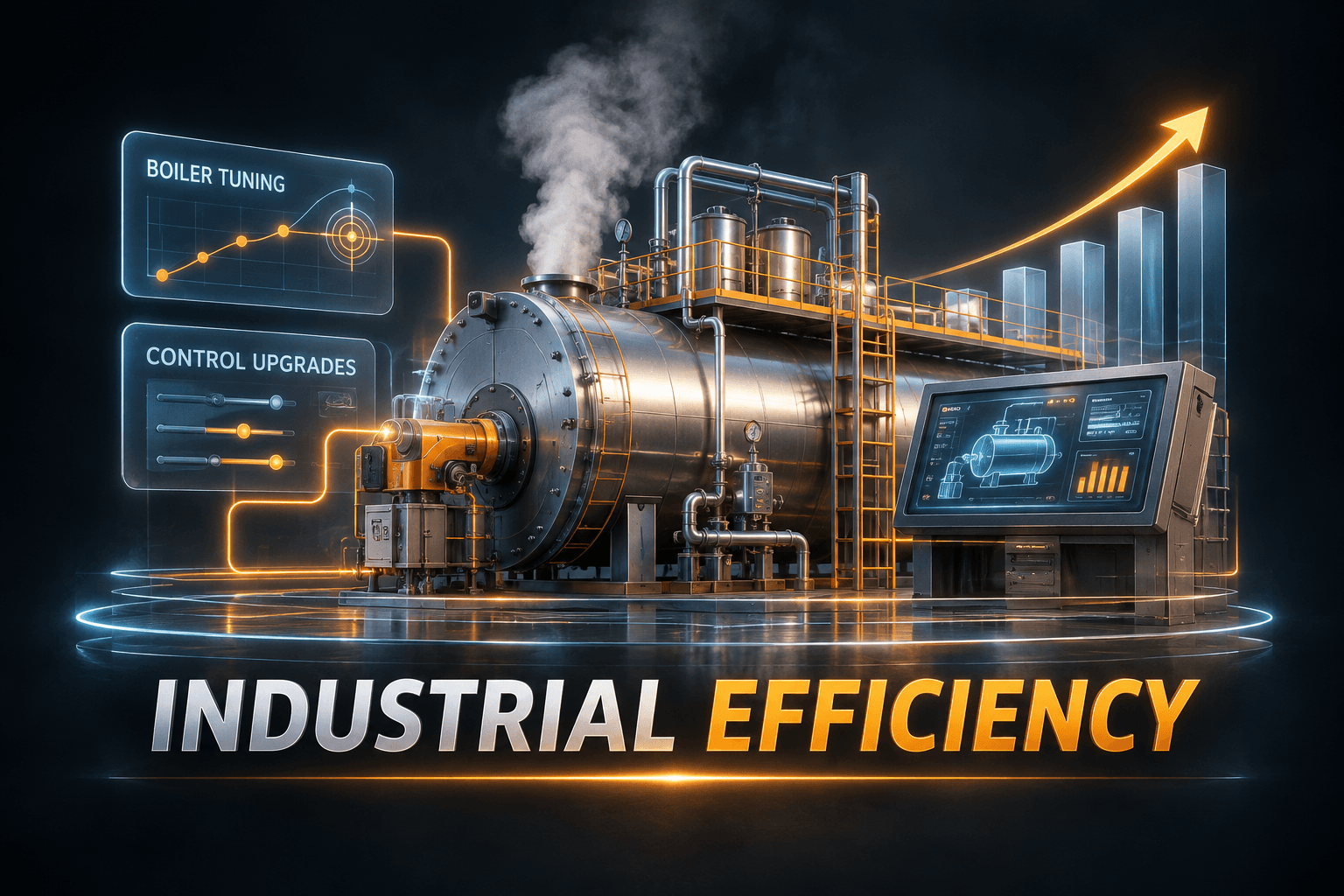
Boiler tuning and control system upgrades can help industrial facilities use energy more efficiently and maintain steadier production, according to a weekend report from Plant Engineering. The operational case is straightforward: poorly performing boilers may raise costs, emissions, and equipment wear, while better tuning can support more consistent output.
For investors, the report is a reminder that efficiency improvements can matter to manufacturers, but it doesn't identify a company, project cost, or measured savings. With U.S. markets closed Sunday, November 22, there was no trading reaction today; the next session is Monday, November 23. How much this matters to any particular business depends on results that the report doesn't quantify.
Market Highlights
The Plant Engineering item, published Saturday, November 21, focuses on boiler performance and control-system upgrades rather than a named manufacturer's earnings, contract, or expansion. It offers a general operations insight, not a new financial disclosure or a sector-wide demand indicator.
No share-price moves, percentage changes, or company tickers were included in the report. With markets closed Sunday, there are no Sunday U.S. equity moves to report, and Friday, November 20, is the latest trading session for price context.
- Reported focus: boiler tuning and control system upgrades to improve efficiency.
- Potential operating benefits described: more consistent production and improved energy efficiency.
- Risks associated with poor performance: higher costs, emissions, and equipment wear.
- No company names, project budgets, savings estimates, or stock-price data were provided.
Key Developments
Boiler tuning links energy use with production consistency
Boilers support processes across industrial facilities, so their performance can affect both utility consumption and the reliability of production. Plant Engineering's report points to tuning as a way to improve efficiency and consistency. It doesn't provide a specific facility example or show how large an improvement operators can expect.
That distinction matters when you assess the investment significance. A broad operational benefit may be relevant across manufacturing, but its effect on an individual company's margins depends on factors such as energy use, equipment condition, and the cost of any work. None of those figures was disclosed in the summary.
Control upgrades may help address operating risks
The report also highlights control system upgrades alongside boiler tuning. Better control can support more effective operation, while poor boiler performance can contribute to emissions and equipment wear, according to the item. The reported focus is on the potential operational role of the upgrade, not a documented regulatory approval or emissions reduction.
For investors, the key question is whether a company later reports measurable benefits, such as lower energy expense, improved production reliability, or reduced maintenance needs. Without cost and outcome data, it's too early to determine whether a particular upgrade would materially affect company results. This is a case where the details make all the difference.
Sector signal remains limited
This is a single technical article, not evidence that manufacturers broadly are increasing capital spending or that industrial demand is accelerating. It also doesn't name a supplier that might benefit from orders for controls or related equipment. Treat it as useful context on factory operations rather than a standalone signal about sector-wide performance.
That leaves a mixed picture for a weekend wrap: efficiency is a relevant operating priority, but there is no company-level financial data to show how the topic is translating into revenue, margins, or investment. A selective approach to interpreting the news means separating the general potential benefit from verified results.
What to Watch
When U.S. markets reopen Monday, November 23, this report alone doesn't provide a basis to anticipate a specific share-price reaction. You can look for company announcements, earnings commentary, and filings that connect facility upgrades to actual spending or operating outcomes. No related earnings date or policy event was identified in the story.
In future disclosures, watch for measurable energy costs, capital expenditure, maintenance expenses, production reliability, and emissions data. Also consider whether a reported project is a one-off facility improvement or part of a wider modernization plan. These details can help distinguish a useful efficiency initiative from a material change to a manufacturer's financial outlook.
There are limits to what can be concluded here: no project timeline, upgrade cost, payback period, or quantified efficiency gain was supplied. You shouldn't assume the benefits apply equally across facilities, since equipment and operating needs can differ. Any broader implication remains unconfirmed until companies provide supporting data.
Bottom Line
- Boiler tuning and control upgrades are presented as ways to support energy efficiency and production consistency.
- Poor boiler performance may increase costs, emissions, and equipment wear, according to the report.
- The article gives no named companies, quantified results, or stock-price information, limiting its immediate investment significance.
- U.S. markets were closed Sunday; Friday, November 20, was the last trading day, and the next session is Monday, November 23.
- For a clearer read-through, monitor company disclosures for project costs and measurable operating results. This summary is informational and isn't personalized investment advice.
FAQ
Q: What industrial efficiency topic did the report cover? A: Boiler tuning and control system upgrades intended to improve efficiency and production consistency.
Q: Did the report name a company or quantify potential savings? A: No. The available summary includes no company names, project costs, or measured savings.
Q: Did U.S. industrial stocks trade on Sunday, November 22? A: No. U.S. stock markets were closed Sunday; the next trading session is Monday, November 23.