The Big Picture
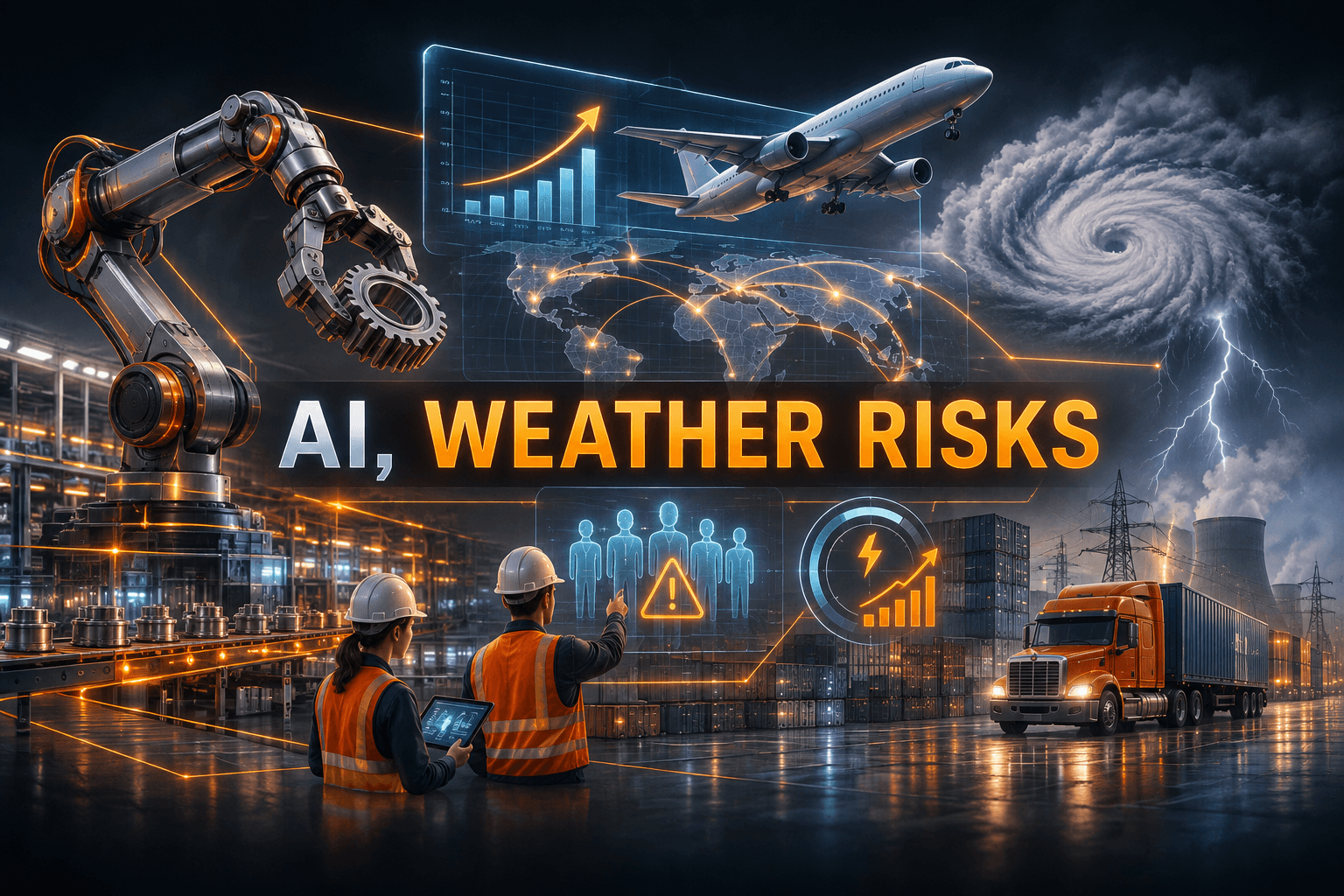
Industrial operators are trying to make production and delivery networks more efficient, but this morning’s news also underscores the cost of keeping those systems resilient. AI-supported inventory planning, robotics on factory lines and new China-to-U.S. air routes offer ways to improve operations, while workforce constraints, energy expenses and severe weather remain risks.
For investors, the reports point to potential operational improvements, not confirmed gains in revenue or margins. The stories provide no new stock-price data or company earnings results, so there’s no basis here for a sector-wide market call. What matters next is whether companies can turn these initiatives into measurable performance without adding new costs or risks.
Market Highlights
Several updates concern the practical use of technology across manufacturing and logistics. Reformation is using AI-backed tools to monitor demand and guide production decisions, while a home-appliance manufacturing example highlights robotics, machine vision and pneumatics as ways to support productivity and worker safety.
Logistics providers are also adjusting capacity ahead of peak season. FedEx (FDX) is launching weekly air routes connecting manufacturing hubs in Shanghai and Guangzhou with U.S. destinations, citing AI-driven demand. Separately, UniUni plans to hand off some peak-season packages to carriers such as Gofo, aiming to improve last-mile efficiency and its financial outlook. No percentage changes, share-price moves or detailed financial impacts were reported in these stories.
- Reformation is using AI-backed inventory tools to track demand and inform production decisions.
- FedEx is adding weekly China-to-U.S. air capacity ahead of peak season, including routes from Shanghai and Guangzhou.
- UniUni plans to use other carriers for select deliveries, while manufacturers are urged to prepare systems for severe El Niño conditions.
- A Plant Engineering report describes robotics and related technologies as tools for increasing line productivity while reducing physical strain risks.
Key Developments
AI and automation target better operations
Reformation’s inventory approach illustrates how retailers and manufacturers can use demand monitoring to inform what they produce. Better alignment between demand and production could help limit mismatches in inventory, but the report doesn’t quantify savings, forecast accuracy or financial results. You’ll want to distinguish the adoption of a tool from evidence that it’s improving business performance.
On the factory floor, a high-volume home-appliance assembly example points to a related opportunity. Robotics, machine vision and pneumatics can help automate repetitive tasks while addressing ergonomic and safety concerns. The practical test for manufacturers is whether a new system raises throughput and protects workers without creating costly integration, maintenance or training burdens.
Delivery networks add capacity and flexibility
FedEx’s new weekly routes are intended to support peak-season shipments and AI-related demand between Chinese manufacturing hubs and U.S. destinations. Additional air capacity may help businesses move goods across long distances, but the announcement doesn’t specify route volumes, pricing or the expected contribution to FedEx’s financial results. Those details will matter when assessing the commercial value of the expansion.
UniUni’s planned use of carriers such as Gofo offers a different response to delivery pressure: outsourcing selected packages rather than handling every shipment itself. That may help last-mile efficiency, according to the company, as it seeks to improve its financial outlook. For you, the question is whether service quality and delivery economics improve together, rather than capacity simply shifting between providers.
Resilience, workforce and energy remain constraints
Drew Crowe, founder of New American Manufacturing Renaissance, challenges the idea that manufacturers face only a skills gap. In the Manufacturing Dive report, he argues that companies should be more open-minded about hiring and discusses workforce approaches, AI and a partnership with the U.S. Navy. The story puts hiring practices and access to talent alongside technology as factors that can affect manufacturers’ ability to staff and adapt operations.
Other reports highlight risks to continuity. Experts advise manufacturers to audit systems for failure points as severe El Niño conditions approach, though the supplied report summary doesn’t detail specific forecasts or expected losses. A separate sponsored article presents onsite fuel cells as a way for food and beverage manufacturers to manage energy costs and reliability. Treat that as a proposed solution, not independent evidence of savings across the sector.
What to Watch
Watch for company updates that put numbers behind these operational announcements. For FedEx, route utilization, shipping demand and any disclosed pricing or capacity data could clarify whether the new service is financially meaningful. For companies using AI or automation, reported changes in inventory, output, safety incidents or operating costs would provide a firmer measure than adoption alone.
Peak-season execution is an immediate test for both FedEx and UniUni. Delivery volumes, service reliability and the cost of outsourced shipments could reveal whether added capacity is helping or pressuring margins. Meanwhile, you can monitor manufacturers’ disclosures for severe-weather preparations, energy costs and workforce initiatives. A weather disruption, unreliable power or difficulty filling roles could offset productivity gains; what evidence will show that resilience plans are working?
Bottom Line
- Sector news is balanced: technology and logistics changes may improve efficiency, but financial benefits aren’t yet quantified.
- FedEx’s added China-U.S. routes and UniUni’s carrier partnerships put peak-season execution in focus.
- AI inventory tools and factory robotics offer operational possibilities, with integration, cost and worker-safety outcomes still important.
- Severe-weather readiness, energy reliability and workforce access remain material operating concerns.
- Use future company disclosures on costs, throughput, service and margins to assess results; this summary is informational, not investment advice.
FAQ
Q: What is the main theme in today’s industrial and manufacturing news? A: Companies are pursuing efficiency through AI, robotics and logistics capacity while managing workforce, energy and weather risks.
Q: What is FedEx announcing? A: FedEx is launching weekly air routes linking Shanghai and Guangzhou with U.S. destinations ahead of peak season, citing AI-driven demand.
Q: Do these reports confirm stronger earnings for the companies mentioned? A: No. The stories describe initiatives and risks but don’t provide quantified earnings impacts or share-price data.