The Big Picture
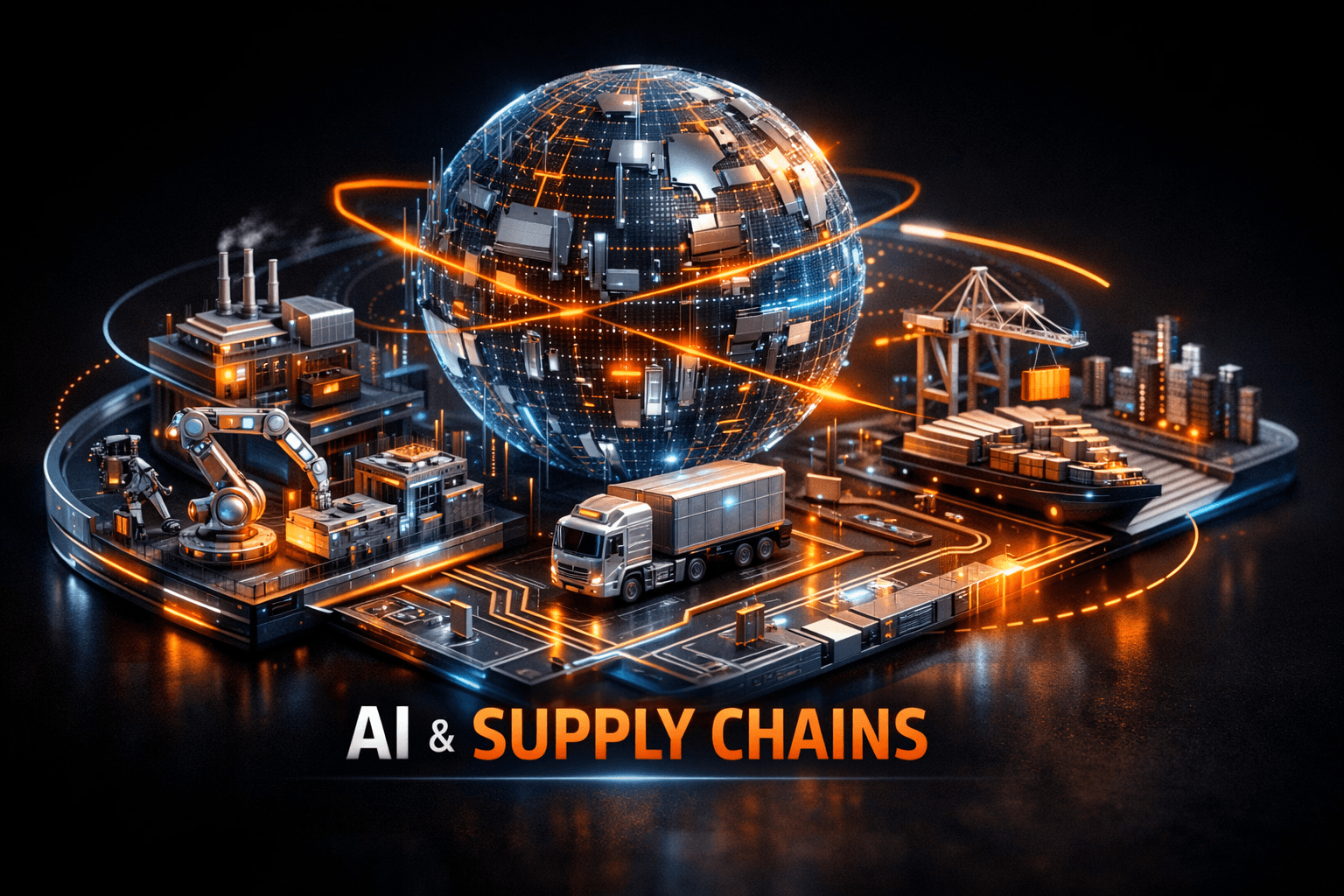
Physical AI is arriving on the shop floor and it's forcing manufacturers to upgrade the foundations that let machines learn, adapt, and communicate in real time. Today’s coverage shows the sector is at an inflection point where information technology, operational technology, and supply chain visibility must come together for companies to capture upside potential.
For you as an investor that means the market opportunity is shifting from pure robotics to data architecture, edge compute, and supplier intelligence. Momentum is building, but execution will separate the wheat from the chaff.
Market Highlights
Quick facts from today's industry coverage and what they imply for market participants.
- Manufacturing Dive published two pieces at 9:00 AM ET on Oct 5 outlining how "physical AI" is moving onto the plant floor and why a clear first move matters for AI strategies.
- Supply Chain Dive published two companion articles at 9:00 AM ET on Oct 5 stressing that resilience and visibility depend on collaboration and shared product data across suppliers and manufacturers.
- Themes to watch include IT/OT integration, edge AI deployments, supplier data sharing, and software-driven analytics—areas that typically benefit automation vendors, industrial software firms, and cloud or edge compute providers.
Key Developments
Physical AI Arrives on the Shop Floor
Manufacturing Dive highlights that AI is no longer confined to models in the cloud, it's being embedded in sensors, controllers, and robots at the edge where latency and reliability matter. That shift means factories will need stronger OT networks, standardized data models, and upgraded compute at the edge to run real-time inference.
For you, that implies companies investing in modernization and firms that enable IT/OT convergence could see increased demand. Analysts note that this is a multi-year cycle driven by tangible productivity gains, not a short-term fad.
Strategy Matters: The First Move Is Critical
Another Manufacturing Dive piece argues most AI strategies are sound but stuck because leaders haven't chosen a clear, defensible first move. Pilot projects without scale plans can waste capital and slow adoption.
If you're evaluating companies in this cycle, look for clear road maps that prioritize high-return use cases, measurable KPIs, and repeatable deployments. The companies that can commercialize pilots at scale are likely to set the pace for adoption.
Supply Chain Resilience Needs Shared Data and Collaboration
Supply Chain Dive emphasizes that resilience starts well before disruption and that supplier intelligence and shared product data close visibility gaps. Real-time signals and collaborative platforms are being positioned as the antidote to brittle supply chains.
That makes data sharing platforms, traceability solutions, and supplier analytics important categories to monitor. You should expect partnerships between manufacturers and software providers to accelerate as firms try to reduce lead times and risk exposure.
What to Watch
Short-term catalysts and signals that could move stocks and strategy discussions in the coming weeks.
- Capex and digital transformation announcements, especially those that mention edge computing, IT/OT integration, or supplier-data platforms.
- Quarterly earnings commentary from large industrials and automation vendors for mentions of AI pilots scaling or increased software revenue, this could indicate monetization is progressing.
- Proof points from early adopters showing measurable throughput, yield, or downtime improvements after deploying physical AI.
- Regulatory and standards developments around data sharing and interoperability, since common data models will speed adoption if you're tracking long-term winners.
- Cybersecurity and OT risk signals, because you don't want to underestimate increased attack surfaces when more intelligence is pushed to the edge.
Which companies will execute best, and who will partner effectively with suppliers? Those answers will shape relative performance over the next 12 to 24 months.
Bottom Line
- Physical AI moving to the edge is a structural tailwind for industrial automation, edge compute, and industrial software providers.
- Execution will matter: firms with clear, repeatable AI rollouts and strong IT/OT integration plans stand to gain market share.
- Supply chain resilience increasingly relies on shared data and supplier collaboration, creating opportunities for traceability and analytics platforms.
- Monitor capex plans, vendor partnerships, and early adopter results for concrete proof of scale and ROI.
- Data suggests a multi-year modernization cycle, but you should watch for operational and cybersecurity risks as deployments broaden.
FAQ Section
Q: How does physical AI differ from traditional industrial automation? A: Physical AI embeds learning and inference at the edge, letting equipment adapt in real time rather than relying only on preprogrammed logic or cloud-based analytics.
Q: What should you look for in a company’s AI strategy? A: Look for a clear first use case, measurable KPIs, a plan to scale pilots, and evidence of IT and OT working together to operationalize results.
Q: Why is shared supplier data important for resilience? A: Shared data closes visibility gaps, speeds risk detection, and lets manufacturers coordinate responses faster with suppliers, reducing downtime and exposure.