The Big Picture
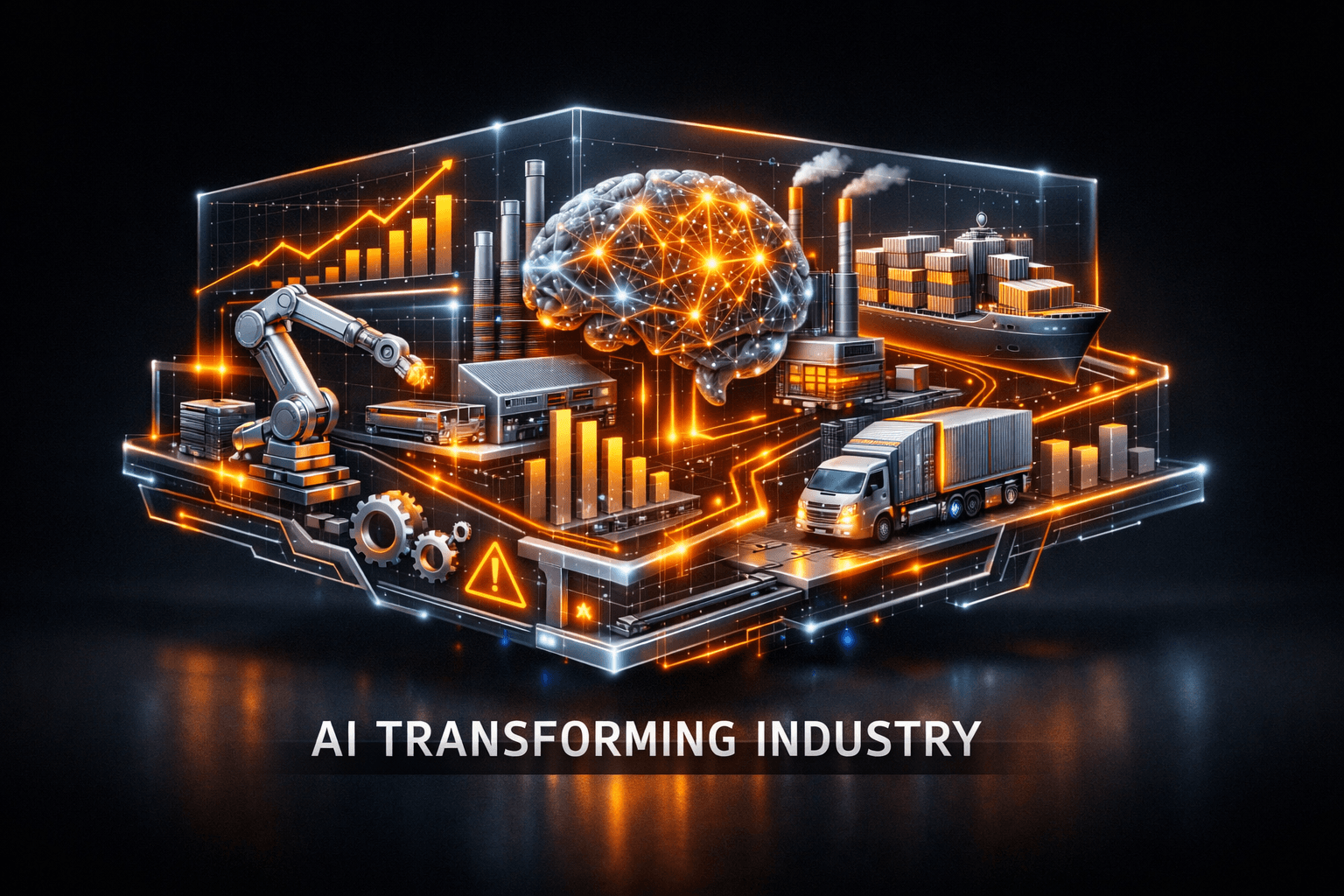
Manufacturers are moving beyond AI hype and into measurable operational impact, according to a Manufacturing Dive feature published this morning. You can see the shift from lab pilots to live deployment in production lines and supply-chain workflows, and that matters because it touches revenue, margins, and capital intensity.
Operational gains like reduced downtime, better yield and faster cycle times are the real outcomes investors want to see. If these early wins scale, the sector could see sustained productivity improvements rather than one-off cost cuts.
Market Highlights
Here are the quick facts you need before the open and early trading action.
- AI is moving from pilot to production across assembly, quality control and predictive maintenance, the report notes.
- Analysts note large industrials from $GE to $CAT and $DE are increasingly vocal about AI pilots and partnerships, suggesting broad sector interest.
- Market implications include potential margin expansion if software-driven efficiencies offset rising labor and input costs.
Key Developments
From Pilots to Production
The Manufacturing Dive piece emphasizes that many manufacturers are turning AI experiments into live systems. That means AI models are being embedded in quality inspection cameras, process controls and maintenance schedules.
For investors this is important, because execution risk falls as teams demonstrate repeatable, quantifiable improvements. The next question is whether these gains can move the needle at scale.
Practical Use Cases Driving Value
The article highlights three practical value tracks: yield and quality improvements, predictive maintenance to cut downtime, and supply-chain optimization to reduce lead times. These applications have clearer ROI than many marketing use cases.
Data suggests firms are prioritizing use cases with short payback windows. That focus increases the chance that IT and OT spend produces visible effects on margins and throughput.
Software, Partnerships and Talent
Manufacturers are blending in-house engineering with cloud providers and niche software vendors to bring AI into operations. That model spreads implementation risk and speeds deployment.
Analysts note this hybrid approach can raise recurring software spend while lowering some capital intensity. Keep an eye on how companies balance one-time capex with ongoing software subscriptions and cloud costs.
What to Watch
If you're tracking industrials, here are the catalysts and risks to follow this week and into upcoming quarters.
- Quarterly reports and guidance, especially commentary on automation, software revenue and productivity metrics. Are companies quantifying AI benefits in guidance?
- Partnership announcements with cloud and AI vendors, and any disclosed pilot outcomes. Which firms report percentage improvements in uptime or yield?
- Capex plans and shift toward software spend. Watch margins for signs that software-driven efficiency is offsetting rising labor and materials costs.
- Supply-chain resilience indicators, including lead times and inventory turns. AI optimization could shorten cycles but depends on clean data.
- Risks such as cybersecurity exposures for connected equipment and talent shortages for operational AI teams. Can firms secure systems as they scale deployments?
What should you expect next, and when will results show up in earnings? Short-term pilots can yield results inside a quarter, but broader productivity gains often take multiple quarters and consistent investment.
Bottom Line
- Manufacturers are advancing AI from pilots to production, focusing on quality, maintenance and supply-chain use cases.
- Analysts note this shift could improve productivity and margins if deployments scale and recurring software costs are managed.
- Watch earnings, guidance language on automation, and vendor partnerships for signals that AI is materially affecting operations.
- Be mindful of cybersecurity and data quality risks as firms connect more equipment and rely on real-time models.
- For your portfolio decisions, use company-level disclosure and verified metrics rather than marketing claims.
FAQ Section
Q: How soon will AI show up in manufacturing earnings? A: Some pilots produce measurable gains within a quarter, but broader margin effects usually appear over several quarters as deployments scale.
Q: Which parts of manufacturing benefit first from AI? A: Quality control, predictive maintenance and supply-chain planning tend to show the fastest, most measurable returns.
Q: Should you expect big capex cuts from AI? A: Not necessarily, because many firms shift to recurring software and cloud costs while keeping some capital investment in equipment.