The Big Picture
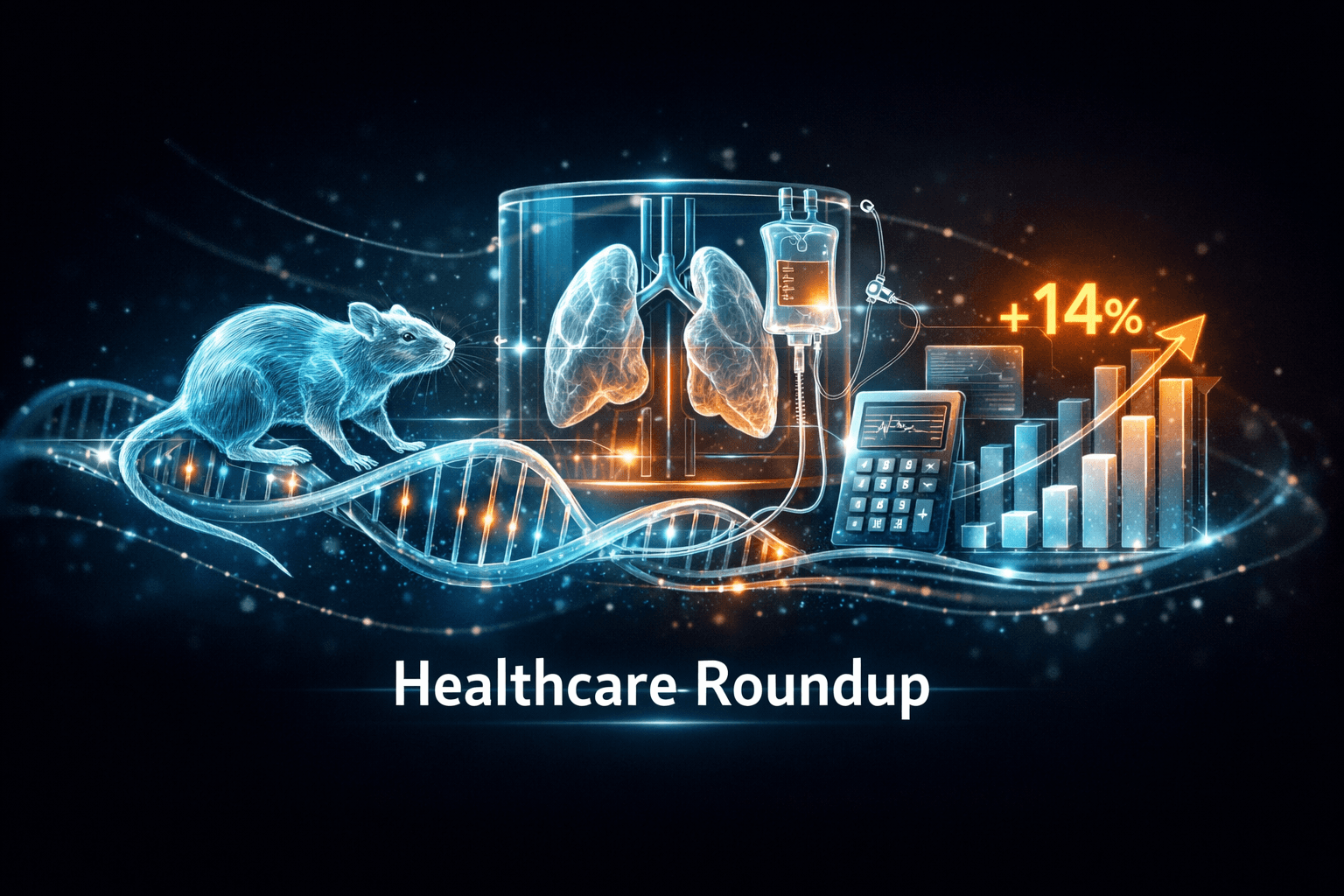
The healthcare sector is sending mixed signals into the long weekend, with scientific advances and clinical safety progress offset by policy shifts and operational disruptions. Research wins like a telomere-to-telomere brown rat genome and new safety work at Intellia sit alongside potential access and cost pressures from insurer rate requests and federal actions.
Why does this matter to you as an investor or watcher of the space? These stories affect research pipelines, device and drug uptake, provider operations, and payer economics, all of which filter into valuations once markets reopen on Monday. Expect selective market responses rather than a broad directional move.
Market Highlights
Markets are closed Sunday. For reference, these developments were reported after trading on Friday, Aug 7, and will likely be priced in when U.S. markets reopen Monday, Aug 10.
- Insurer cost pressure: filings show insurers are seeking roughly a 14% average increase for small-business group plans next year, a notable figure that could squeeze employers and shift demand dynamics.
- Organ procurement risk: HHS moved to decertify Network for Hope, a regional organ procurement organization serving Kentucky, Indiana, Ohio and West Virginia, which could disrupt transplant flows for patients in those states.
- Biotech safety and demand signals: early compassionate-use indicators prompted analysts to raise forecasts for daraxonrasib, while $NTLA reported progress identifying a liver toxicity culprit in its program. $ARWR was also named in related industry coverage regarding competitive positioning.
Key Developments
Telomere-to-telomere brown rat genome boosts preclinical models
UTHealth Houston and collaborators released the most complete brown rat genome to date, which should help researchers model cardiovascular, renal and hypertensive diseases with greater fidelity. For drug developers and preclinical teams, a fuller genome reduces model uncertainty and could accelerate target validation work.
HHS decertification threat for organ procurement group
HHS signaled plans to decertify Network for Hope over patient safety failures, a move that may disrupt organ recovery and transplant coordination across four Midwestern and Appalachian states. That operational risk could pressure local hospital systems and transplant centers while regulators and providers scramble to maintain capacity.
NIH funding pathway change raises talent pipeline concerns
STAT reports the NIH plans to block one key funding pathway used by international researchers on visas, specifically affecting K99 Pathways to Independence awards. Universities and late-stage academic researchers warned the change could reduce talent retention in U.S. biomedical labs, with long-term implications for innovation and company partnerships that rely on academic discovery.
Biopharma safety and demand updates
BioPharma Dive flagged “significant” demand under a compassionate-use plan that led analysts to raise forecasts for daraxonrasib. Separately, Intellia Therapeutics said it’s pinpointed a likely cause of liver toxicity in a program, an important step for risk management and regulatory discussions. These developments suggest clinical teams are narrowing safety issues while market appetite for novel agents remains strong.
What to Watch
As you prepare for the week ahead, focus on regulatory and policy catalysts, operational contingencies, and clinical readouts that could change sentiment quickly.
- Monday headlines and analyst notes: expect follow-up reports and analyst reactions to the daraxonrasib demand news and Intellia’s safety update when markets reopen.
- Regulatory actions: watch for HHS announcements and any emergency plans to backfill organ procurement services in the affected states, plus congressional or state responses to insurer rate filings.
- Funding and workforce policy: monitor NIH communications and university statements on the K99 pathway change, since talent constraints can alter academic-industry partnerships you may care about.
- Public health signals: wildfire-related health coverage and outbreak reporting for Cyclospora and measles remain active near-term risks for regional healthcare utilization and public messaging.
Which stories will move markets first? Likely the items tied to near-term revenue or operations, such as insurer rate filings and organ procurement disruption. How resilient is the research pipeline to policy shifts? That will depend on follow-on funding and institutional responses.
Bottom Line
- Scientific progress is real, with a complete brown rat genome and clearer safety signals in some biotechs, suggesting ongoing R&D momentum.
- Policy and operational headwinds are significant, including NIH K99 pathway changes and HHS action against an organ procurement group, both of which could affect capacity and talent.
- Cost pressures persist, with insurers seeking roughly a 14% average premium increase for small-business plans, a potential drag on employer-sponsored coverage and provider reimbursement dynamics.
- Expect selective market impacts when trading resumes; you should watch Monday for analyst reactions and any government follow-ups that change near-term risk profiles.
FAQ Section
Q: How will HHS decertifying an organ procurement group affect transplants? A: Decertification can disrupt coordination and logistics for organ recovery, potentially delaying transplants until alternate arrangements are put in place, and hospitals may face operational strain.
Q: Does the brown rat genome change drug development timelines? A: The complete genome improves preclinical model accuracy and may speed target validation, but it does not change clinical trial timelines directly.
Q: What does the NIH K99 pathway change mean for biotech hiring? A: Reducing a funding route for international researchers could shrink the pool of U.S.-based academic talent over time, which may affect discovery partnerships and hiring pipelines for early-stage companies.