The Big Picture
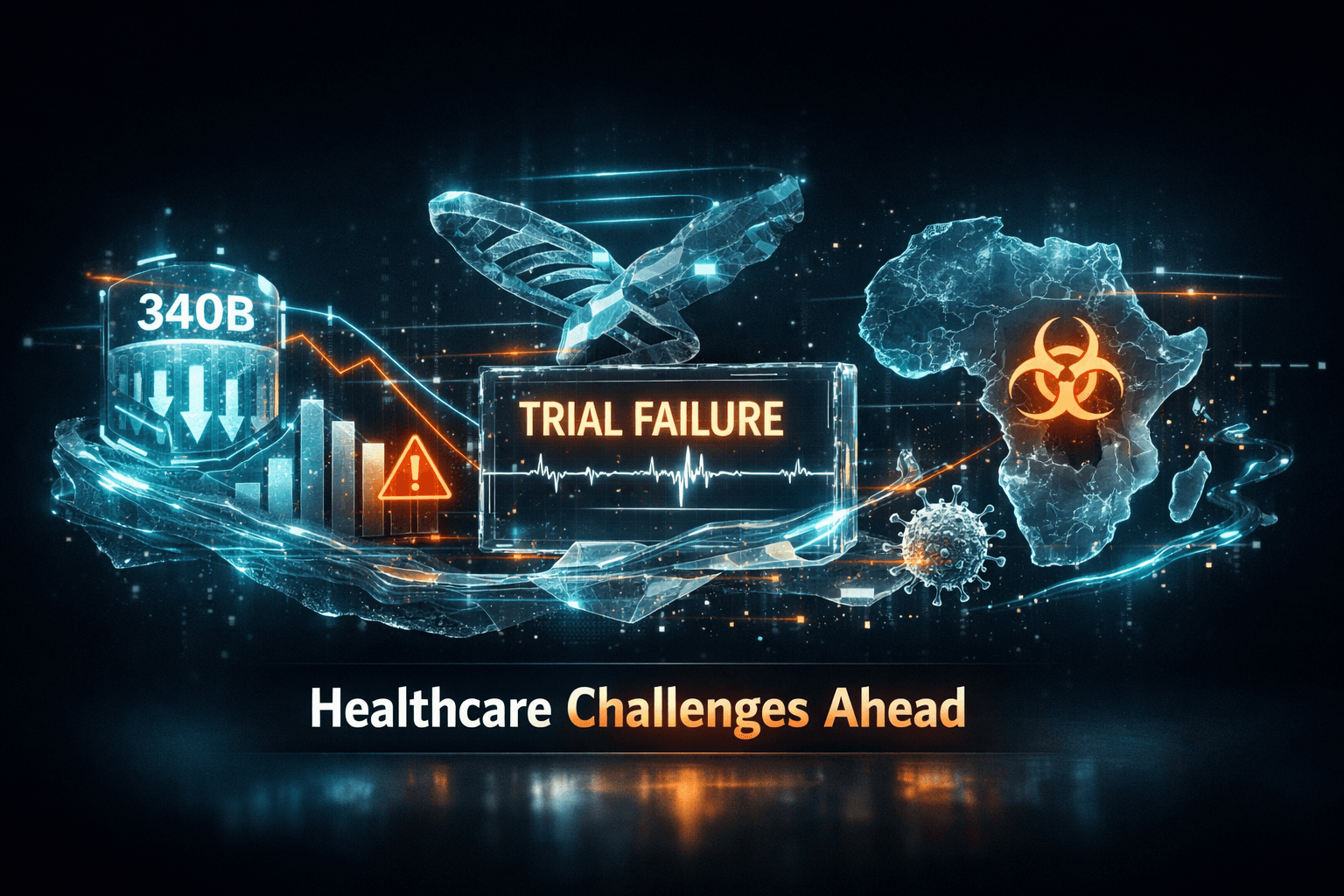
Heading into the long weekend, the healthcare sector is digesting a run of negative headlines that raised fresh questions about near-term risk. A major cardiovascular trial setback at Novo Nordisk and a renewed push to insert rebates into the 340B drug discount program have put pressure on biotechs and provider margins, while a worsening Ebola outbreak in the Democratic Republic of Congo increases demand uncertainty for public health resources.
Markets were closed on Sunday, Aug 2, so you'll want to track reactions when U.S. trading resumes on Monday, Aug 3. The combination of clinical, regulatory, and public health developments creates a cautious backdrop for healthcare stocks and selective investors alike.
Market Highlights
Key moves and facts you should know as of Friday, July 31 and over the weekend. Note that U.S. markets were closed Sunday.
- Novo Nordisk, $NVO, saw investor concern after a high-profile inflammation-targeting cardiovascular trial failed, sparking losses across inflammation-focused biotech peers on Friday.
- The federal Health Resources and Services Administration announced renewed plans to include rebates in a 340B pilot, drawing sharp pushback from hospitals and provider groups.
- Sanofi, $SNY, said it will rebuild its partnership with Regeneron, $REGN, while a Shionogi-backed startup and other biotechs saw optimistic IPO demand, indicating continued appetite for select new issues.
- Regulatory news continued to move policy-sensitive names, and a federal judge rejected a states’ bid to pause Medicaid work requirements, keeping a major policy debate active.
- Public-health risk rose as WHO described the Ebola outbreak in DR Congo as intensifying at an exceptional pace, signaling increased needs for diagnostics, therapeutics, and logistics support.
Key Developments
Novo's Ziltivekimab Failure
BioPharma Dive reported that ziltivekimab failed a key cardiovascular outcomes trial, creating doubts about inflammation-targeting strategies for heart disease. The result hurt $NVO and sent ripples through biotech names with similar mechanisms.
For you as an investor, clinical readouts like this can reshape pipelines and near-term valuations. How management responds, and whether follow-up analyses reveal subgroup benefits, will be important to watch on Monday and into upcoming conferences.
Regulatory Fight Over 340B Rebates
The Health Resources and Services Administration has revived efforts to include rebates in the 340B drug discount program, according to Healthcare Dive and STAT. Hospitals say the change would raise costs and administrative burdens for providers who rely on 340B support.
This is a policy story with market consequences. If the rule proceeds, it could pressure hospital system margins and influence stocks tied to hospital volumes and outpatient dispensing. Investors should expect political pushback and potential legal challenges that could prolong uncertainty.
DR Congo Ebola Outbreak Intensifying
Medical Xpress cited WHO warnings that the Ebola outbreak in the Democratic Republic of Congo is spreading at an exceptional pace and needs a scaled-up response. That raises humanitarian concerns and increases demand risk for companies involved in diagnostics, vaccines, and treatments.
Don't expect immediate stock moves while markets are closed, but the public-health emergency could drive government and NGO spending decisions that matter to certain biotech and medtech firms. Preparedness and supply-chain players may see renewed attention.
What to Watch
You'll want to monitor several catalysts when markets reopen on Monday, Aug 3. Clinical news flow and regulatory signals will likely set the tone.
- Follow Novo $NVO commentary and any scheduled data releases or investor calls. Look for management guidance on next steps and whether replication trials are planned.
- Track HRSA and HHS announcements on the 340B rebate pilot, plus legal filings from hospital groups. Policy language and implementation timelines will matter for provider margins.
- Watch WHO and DR Congo health ministry updates on Ebola case counts and containment measures. Funding commitments from major donors could affect demand for related suppliers.
- Keep an eye on biotech IPO pricing and aftermarket trading, as strong IPO demand for select issuers can support sentiment in small-cap biotech even amid headline risk.
- Monitor the Medicaid work-requirements court docket, as further rulings could alter payer and provider revenue assumptions in specific states.
What should you prioritize in this environment? Focus on companies with clear cash runway, diversified pipelines, or exposure to durable policy tailwinds. Which names can absorb short-term shocks and still execute on longer-term milestones?
Bottom Line
- Clinical failures and regulatory moves are creating a cautious near-term backdrop for healthcare stocks.
- Hospitals and provider-focused names face policy risk from renewed 340B rebate proposals and ongoing Medicaid litigation.
- Public-health developments, notably the DR Congo Ebola outbreak, raise demand uncertainty that could benefit specific diagnostics and therapeutics suppliers.
- Positive items, such as Sanofi and Regeneron partnership rebuilding and upsized IPOs, show selective opportunities remain in the sector.
- When markets reopen, watch company statements and policy filings closely, and be prepared for volatile reactions in news-sensitive names.
FAQ Section
Q: How will the Novo trial failure affect other biotech stocks? A: The ziltivekimab setback raises skepticism about the inflammation-targeting approach and led to sector-wide repricing in related small-cap biotechs; follow-on data and analyst notes will clarify the scope of impact.
Q: What does the 340B rebate proposal mean for hospitals? A: If implemented, rebates could reduce the financial benefits hospitals currently realize from 340B purchases, increasing revenue pressure and prompting legal and legislative responses.
Q: Should I expect healthcare stocks to react to the DR Congo Ebola news? A: Public-health emergencies can affect certain segments like vaccines and diagnostics, but market reactions depend on perceived scale, funding responses, and which companies are directly positioned to help.