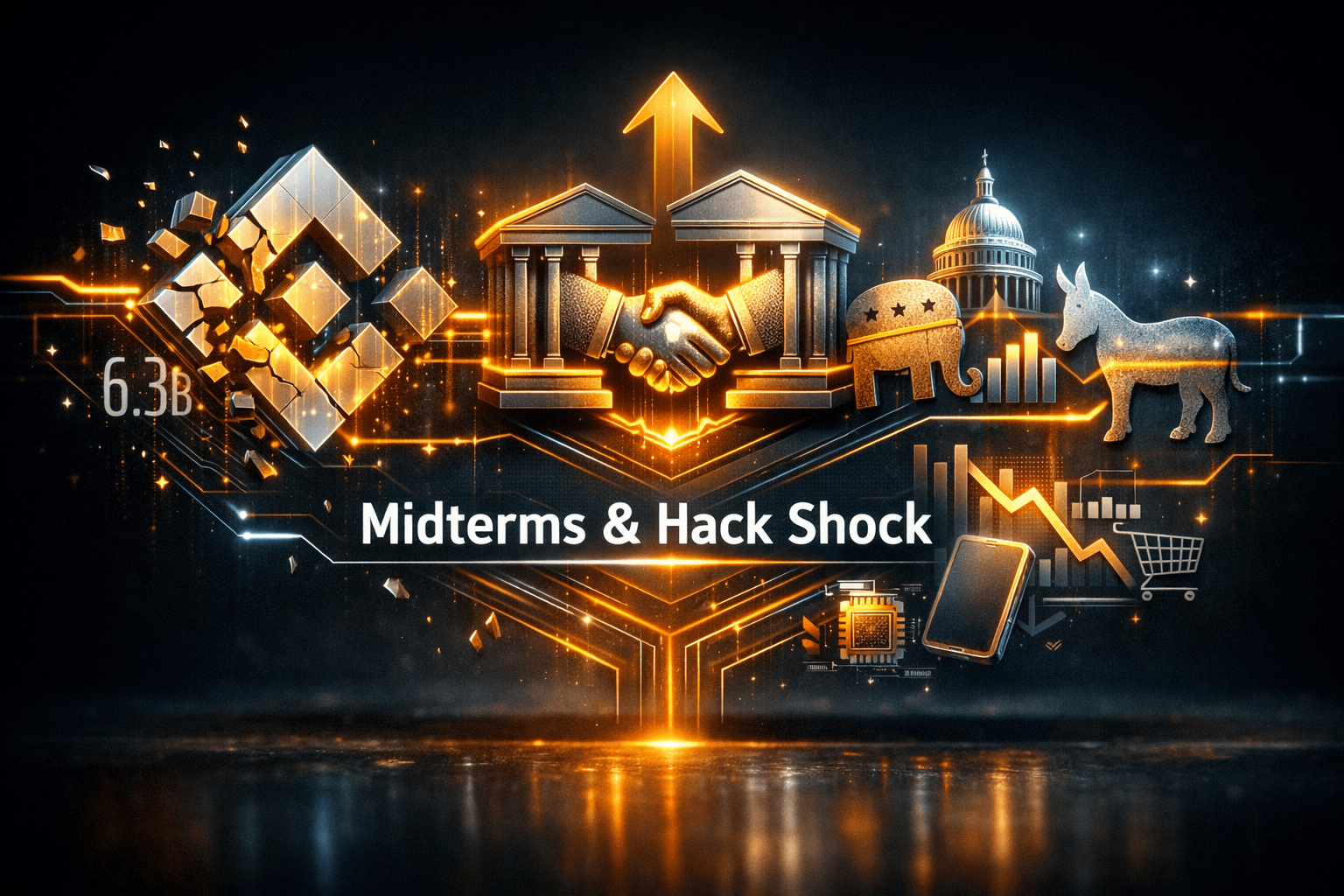
The Big Picture
The overnight headline that will keep you watching the tape is the $6.3 billion hack at Binance, a breach that has rattled crypto markets and raised fresh questions about exchange custody and counterparty risk. At the same time, analysts are flagging a potential uptick in bank merger and acquisition activity as the midterms reshape the regulatory and political backdrop.
That combination leaves investors facing mixed signals. You may see opportunity if consolidation accelerates, but you also need to weigh operational and security risks that can spill into fintech and banking corridors.
Market Highlights
Key moves and data points from this morning's headlines and premarket action.
- Binance hack: MarketWatch reports an estimated $6.3 billion stolen in what’s being called one of the largest crypto heists ever, with the exchange saying it aims to restore service within days.
- Applied Materials (AMAT): Seeking Alpha highlights a 51% growth quarter for Applied Materials and a 23x forward earnings multiple cited in commentary, underscoring continued strength in chip-equipment demand.
- Intel (INTC): MarketWatch notes $INTC is sliding toward its worst drop in two years as PC demand softens and memory-price weakness hits the broader chip ecosystem.
- $SFM: Seeking Alpha reports a rating downgrade for Sprouts Farmers Market, with analysts saying the grocer faces a tough recovery without near-term catalysts.
Key Developments
Binance $6.3B Breach and Market Impact
The Binance hack is the day’s most immediate shock. The exchange says it hopes to be back online within a couple of days, but the size of the loss is significant for market confidence in centralized crypto platforms.
What does this mean for banks and fintech partners? You should watch for increased scrutiny of crypto custody arrangements and for potential flow-on effects to payment rails and institutional counterparties that interact with exchanges.
Midterms Could Accelerate Bank M&A
Seeking Alpha coverage points to a potential uptick in bank consolidation as the post-midterm political landscape changes regulatory expectations. Market participants say clearer policy paths can lower uncertainty and make merger approvals more predictable.
If M&A activity picks up, smaller regional banks and community institutions could be most directly affected. Are deal teams already lining up opportunities? Analysts note the window for strategic moves often widens when regulatory risk becomes more measurable.
Tech and Consumer Strains: $AMAT, $INTC and Fraud Risks
$AMAT’s 51% growth quarter is a bright spot for the equipment side of semiconductors, suggesting continued capex for chips. That momentum may help fintech firms tied to cloud and data center spending.
On the flip side, $INTC’s weakness reflects softer PC demand and memory-price pressure. Meanwhile a MarketWatch consumer story about caregiver misuse of a senior’s debit card is an unwelcome reminder that consumer financial fraud and custodial risks remain a practical concern for retail banking customers and providers. You need to factor operational risk into any view of consumer-facing finance businesses.
What to Watch
Short-term catalysts and risk points to keep on your radar today and this week.
- Binance timeline: monitor official updates on the exchange reopening and any forensic findings that affect custody practices. If you use crypto services, check how counterparties are responding.
- Regulatory signals post-midterms: watch official statements from the OCC, FDIC and SEC for any guidance that could tilt the M&A landscape or change capital expectations.
- Earnings and guidance: keep an eye on majors in the weeks ahead for signs of capex intentions that could influence bank loan books tied to corporate spending plans.
- Operational and fraud trends: consumer stories about card misuse are a reminder to watch for regulatory or reputational fallout that can affect retail banks and payment processors.
- Market flow: pay attention to risk sentiment across fixed income and credit markets since M&A activity and large security breaches can shift funding costs and risk premia.
Bottom Line
- Neutral tone: political and policy catalysts could boost bank M&A, but the Binance breach and company-specific softness create offsetting risks for the sector.
- Security and custody are front and center after a $6.3 billion crypto heist, and you should expect heightened scrutiny of exchange counterparties and custodial practices.
- M&A windows may open if post-midterm regulatory clarity improves, but deal execution will hinge on approval certainty and financing conditions.
- Tech outperformance like $AMAT’s quarter supports parts of the fintech ecosystem, while $INTC’s struggles highlight consumer tech demand risks that can ripple into finance revenues.
- Operational risk remains real for retail customers, as caregiver fraud stories show, and banks may face more regulatory or reputational pressure if cases rise.
FAQ Section
Q: How could the Binance hack affect banks and payment firms? A: The hack raises counterparty and custody risk for institutions that interact with crypto platforms. Banks and payment firms may tighten onboarding and custody controls, and regulators could step up oversight.
Q: Will midterm results immediately trigger bank mergers? A: Not necessarily. Midterms can change the regulatory outlook and lower uncertainty, which may accelerate deal-making, but approvals and financing still matter and deals take time to execute.
Q: What should you do if you’re worried about fraud as a bank customer? A: Monitor account activity closely, use two-factor authentication where available, report unauthorized charges promptly, and ask your bank about protections for vulnerable customers.