The Big Picture
A sell-side downgrade of the tech sector and fresh analysis showing higher nominal and real rates set a cautious tone for Finance & Banking on Oct 14. These developments matter because rising rates and stretched tech valuations influence loan demand, deposit dynamics, and risk appetite across banks and asset managers.
Investors are being reminded that what helped markets over the last few years, growth stocks and low rates, may not be as supportive today. What does that mean for your allocations and exposure to rate-sensitive names? Expect selectivity and monitoring to be important.
Market Highlights
Key headlines you'll want on your radar this morning include strategist moves, macro analysis of rates, and a mix of personal and luxury real estate stories that underscore affordability gaps.
- Tech sector downgrade: MarketWatch reports one strategist lowered the firm rating on technology, citing slowing flows and deteriorating valuations, a signal that momentum in growth names is fading.
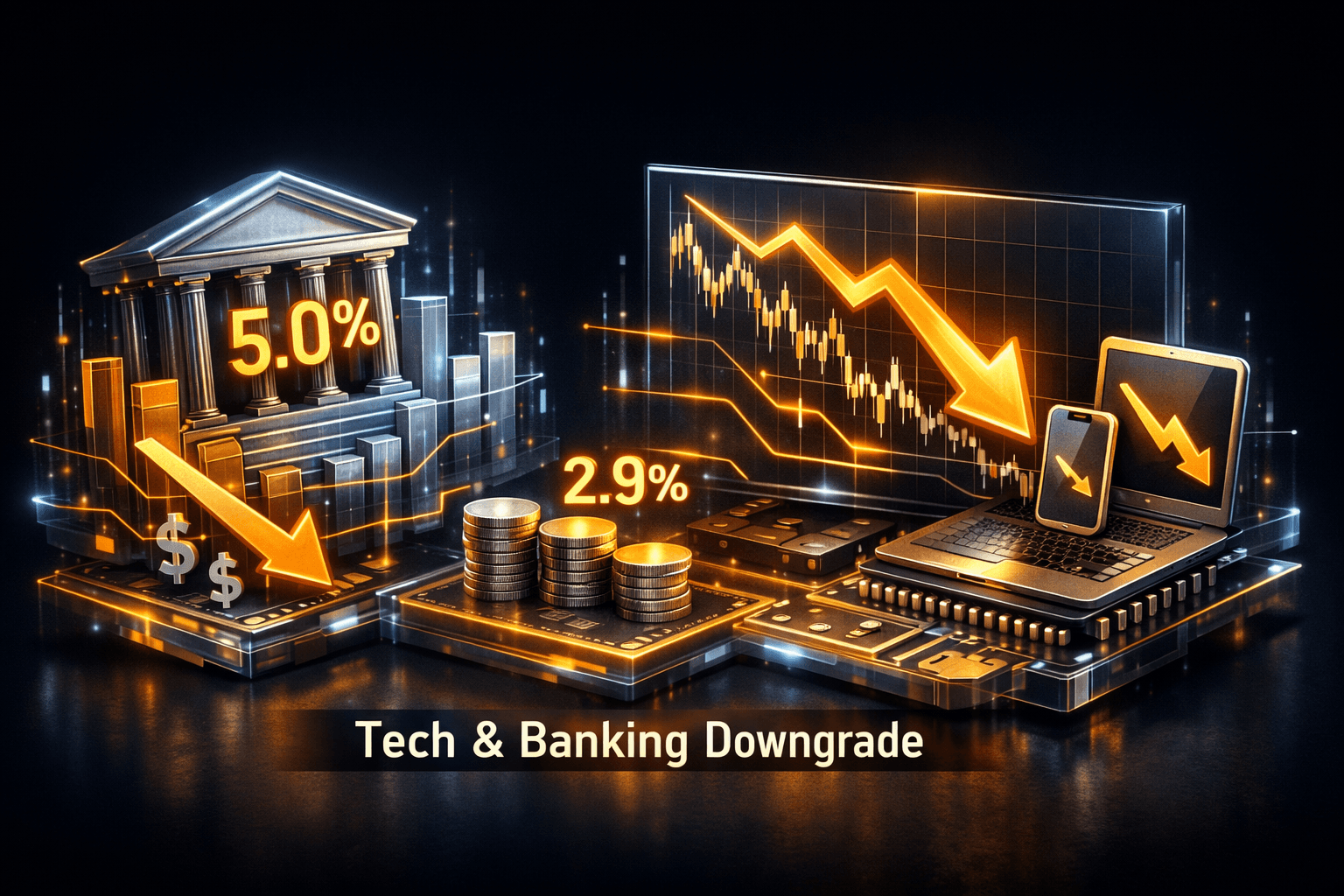
- Cost of money rising: Seeking Alpha analysis notes nominal rates around 5 percent and nearly 3 percent on a real basis, a step up in the effective cost of capital for businesses and borrowers.
- Real estate notes: A MarketWatch personal finance essay highlights housing insecurity despite a $110,000 salary, and another MarketWatch piece shows a Greenwich Village penthouse listing pushed to $19 million, a $4 million increase from an earlier asking price.
- Aviation focus: Seeking Alpha published a bullish take connecting $ACHR Archer Aviation to Boeing $BA as a potential strategic catalyst in eVTOL and aerospace partnerships.
Key Developments
Tech Downgrade Shakes Momentum
MarketWatch reports one strategist has downgraded the tech sector as inflows slow and valuations look stretched. Analysts note that when flows reverse, highly valued growth stocks can show sharper re-pricing, and that can spill over into bank loan books tied to the tech ecosystem.
For you, that means watching banks with heavy venture or private tech exposure and funds concentrated in mega-cap growth. Are those institutions prepared if sentiment turns further? Scrutiny is rising.
True Cost of Money: 5% Nominal, Nearly 3% Real
A Seeking Alpha piece quantified the rising cost of capital, pointing to roughly 5 percent nominal rates and nearly 3 percent on a real basis after inflation. Higher real yields compress equity valuations and raise funding costs for corporates and consumers alike.
That dynamic matters for banks because net interest margins and credit demand can shift quickly when rates and real yields change. Analysts note the timeline and persistence of these rate levels will be a key determinant of sector health.
Housing Strain and Luxury Market Divergence
A MarketWatch profile of a renter earning $110,000 who lost a home in the Great Recession highlights long-term fragility in housing security for many households. At the same time, a celebrity penthouse in Greenwich Village is back on the market at $19 million, up $4 million from an earlier listing.
These stories show divergence in real estate markets, where affordability challenges persist broadly even as luxury asset pricing can remain strong. For banks, that means mortgage portfolios and consumer credit deserve close monitoring.
What to Watch
Focus on rate-sensitive catalysts and upcoming data you can act on. You should track central bank comments and inflation prints, since those will shape policy expectations and real yields.
Watch banks with direct tech exposure and lenders active in mortgages and consumer lending. Quarterly earnings from major regional banks and large tech firms are near-term events that could move sentiment.
Keep an eye on these specific items today: any follow-up commentary from the strategist who downgraded tech, reactions from major asset managers, and corporate updates from aerospace suppliers after the Archer and Boeing analysis. Which reports will change the narrative this week, and how fast will flows react?
Bottom Line
- Sector mood is cautious, driven by a tech downgrade and higher real yields that raise the cost of capital.
- Rate-sensitive banks and funds with concentrated tech exposure should be monitored closely for repricing risk.
- Housing affordability concerns persist for many households, even as pockets of luxury real estate show resilience.
- Upcoming earnings and central bank communication are the near-term catalysts to watch for clarity on the rate path.
- Analysts note selectivity is important now, and reading the tea leaves on flows will help you position sensibly.
FAQ Section
Q: How do higher real rates affect bank profits? A: Higher real rates can boost net interest margins if deposit costs lag, but they can also pressure loan demand and increase credit risk over time.
Q: Will a tech sector downgrade force you to sell growth holdings? A: A downgrade signals increased risk and less favorable flows, but decisions should be based on your time horizon and risk tolerance rather than headlines alone.
Q: What signs should you look for in mortgage markets? A: Monitor delinquencies, refinance activity, and spreads on mortgage-backed securities as early indicators of stress or stabilization in housing credit.