The Big Picture
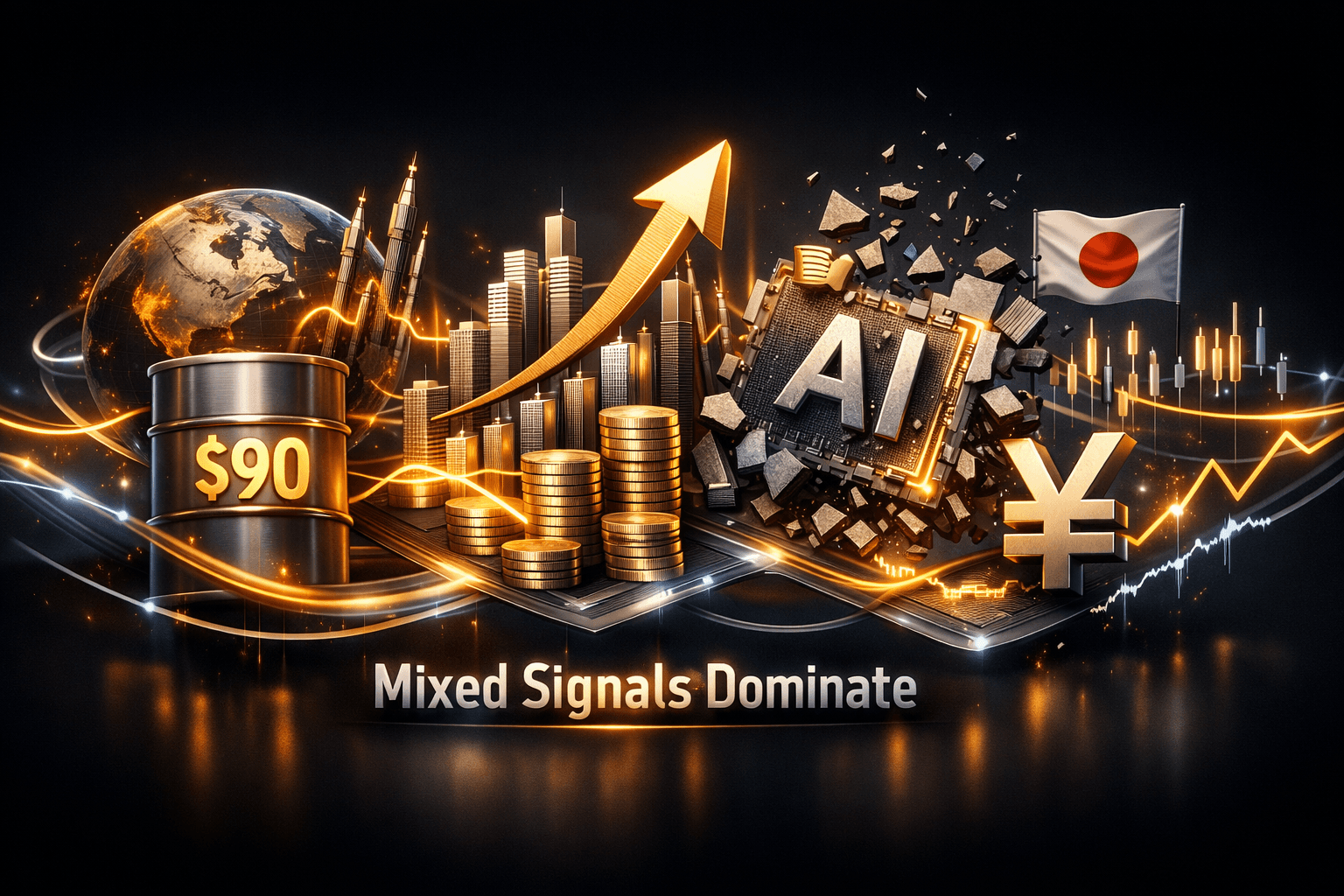
Markets opened with mixed signals on Aug 17, as rising oil and an upgrade in the energy space bumped optimism while concentrated losses in AI-related funds and signs of policy intervention in Japan reminded investors that risks are still front and center. You’ll see headlines that point to growth in pockets, but also reminders that concentration and policy moves can quickly tighten sentiment.
This matters because a handful of big macro and thematic forces are colliding: higher energy prices driven by Middle East tensions, evolving central-bank and FX policy in Japan, and fresh scrutiny on AI concentration risk that could ripple through tech and financial portfolios. What you do next depends on your time frame and risk tolerance, and you’ll want to stay selective.
Market Highlights
Quick facts to scan this morning.
- Oil trading near $90 per barrel as Middle East tensions escalate, lifting energy-sector sentiment.
- Energy Fuels received a rating upgrade today, a reminder that miners and energy names are drawing renewed investor interest.
- An investor profile shows 56% of a fund concentrated in two AI stocks before a sector correction, highlighting extreme concentration risk for thematic funds.
- Health insurance debate surfaced after a reader said her son pays $500 per month for ACA coverage, underlining consumer cost pressures.
- Local opposition grew to Elon Musk’s planned semiconductor factory in rural Texas, a project described as the size of 1,000 Costco stores, tied to $TSLA-linked supply chain ambitions and industrial policy questions.
Key Developments
Japan Intervention Adds Policy Pressure
Reports indicate Japanese authorities intervened in currency markets, a move that adds complexity to global policy transmission. For global banks and currency-sensitive firms, intervention increases uncertainty about rate paths and exchange-rate volatility, and you should be prepared for wider FX moves and potential impacts on cross-border earnings.
Energy Moves: Oil Near $90 and an Upgrade for Energy Fuels
Oil’s run toward $90 per barrel after renewed Middle East risks lifted sentiment in energy names. Separately, Energy Fuels got a rating upgrade, suggesting analysts see more tangible growth in uranium/uranium-adjacent or energy-mining businesses today.
Higher crude tends to help energy producers and related suppliers, but it can also widen input costs for consumers and industries. Will energy strength be enough to offset margin pressure elsewhere? Watch energy-related earnings and refining margins for clues.
AI Concentration Risk and Bank Tech Strategy
MarketWatch highlighted that one high-profile investor had 56% of assets in two AI stocks before a sector correction. That concentrated positioning magnified losses and serves as a cautionary tale about single-theme exposure.
At the same time, Banking Dive published practical guidance on AI for banks, emphasizing that data value and governance are central before you make large AI tech investments. The two stories together point to different outcomes: unhedged thematic bets can blow up while disciplined, data-aware adoption in banks could pay off over time.
What to Watch
Here are the near-term catalysts and risks that should be on your radar today and this week.
- Geopolitical developments in the Middle East, which will likely drive oil volatility and headline risk. Watch crude price moves and energy-sector commentary for market direction.
- Any follow-up on Japan’s currency intervention, central-bank commentary, and FX volatility. Those will influence global rate expectations and financial-sector exposures.
- Bank and fintech commentary on AI spending and data governance. Will banks outline tighter controls or accelerate AI budgets? That will affect costs and potential efficiencies.
- Earnings and analyst notes on energy producers and miners after the upgrade to Energy Fuels. Look for production guidance and capital plans to see if upgrades have legs.
- Consumer-cost signals from healthcare debates, like the $500 ACA premium example. If consumer wallets tighten, that can show up in credit trends and retail activity, which matters to banks and insurers.
Want to be proactive? Keep an eye on liquidity metrics and valuation dispersion. Why? Because when sectors move in opposite directions, selectivity matters more than broad bets.
Bottom Line
- Sentiment is mixed: energy strength is offset by concentration and policy risks, so balance matters.
- Rising oil and an energy upgrade help some cyclical names, but higher energy costs can pressure other sectors and consumers.
- Japan’s intervention raises FX and policy uncertainty, which can affect multinational banks and exporters.
- AI stories show two lessons: thematic concentration can be risky, and banks must treat data and governance as priorities before scaling AI investments.
- Monitor short-term catalysts like geopolitical headlines, central-bank commentary, and bank disclosures about AI spending and risk controls.
FAQ Section
Q: How will higher oil near $90 affect bank earnings? A: Higher oil can boost energy-sector lending and project finance, but it may also slow consumer spending and raise input costs for businesses, which could increase credit risk for some lenders.
Q: Should you be worried about Japan’s currency intervention? A: Intervention increases FX volatility and uncertainty about rate paths, so it’s worth watching currency moves and multinational exposures, but it doesn’t automatically signal a systemic banking problem.
Q: What does the AI fund collapse mean for retail investors? A: The situation highlights concentration risk; analysts note diversification and risk controls are critical when thematic trends like AI dominate a portfolio.