The Big Picture
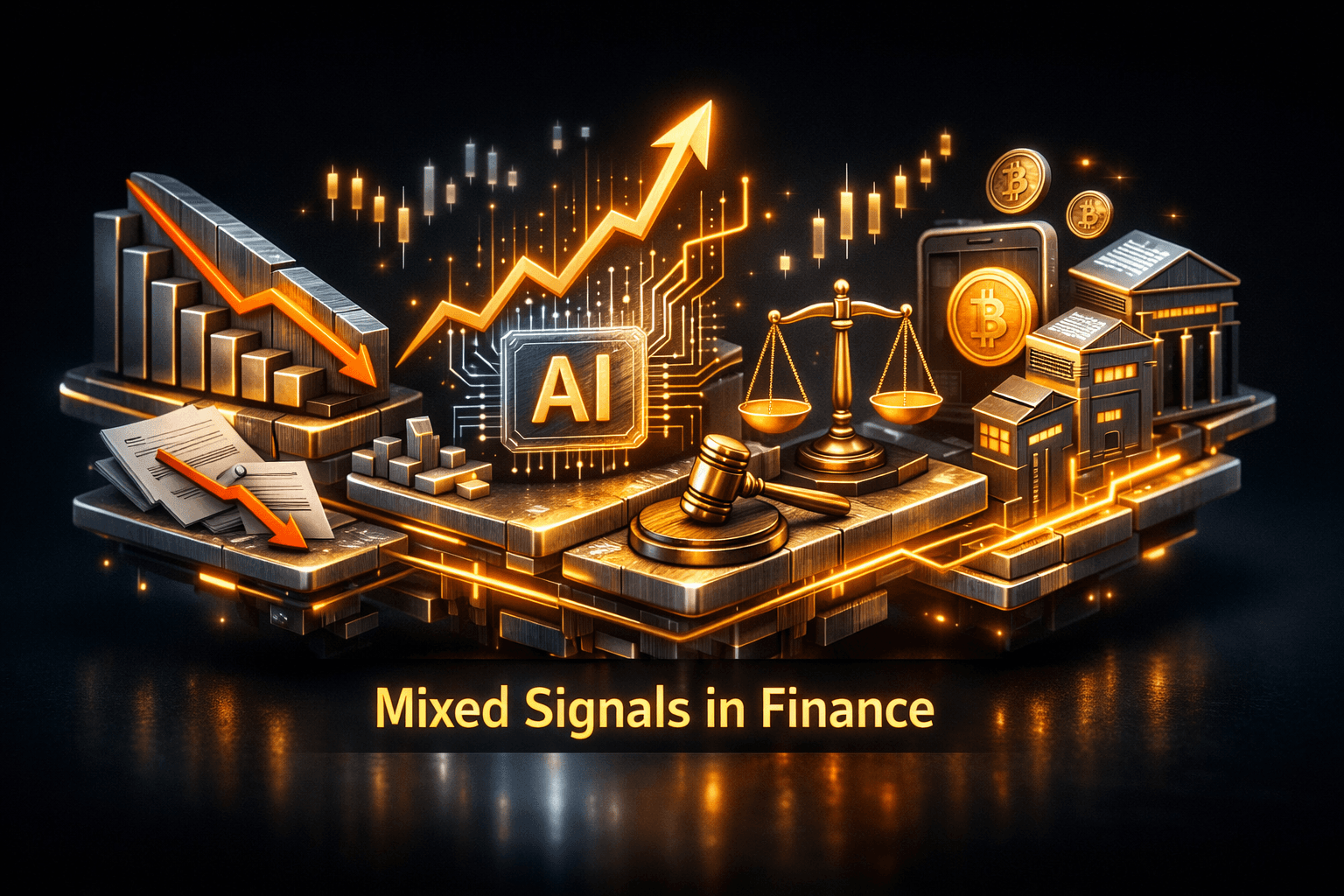
Markets closed the regular trading day with mixed signals across finance and banking, driven by weak company-level assessments and offset by analyst interest in beaten-down AI names and policy developments that could reshape parts of the sector.
Today matters because you have to separate near-term company distress from broader structural stories. Corporate softness in small-cap and AI-related firms collided with regulatory and legal moves that could benefit fintech entrants and change benefit and tax dynamics for households.
Market Highlights
Key moves and snapshots you should note from today.
- Small-cap distress: Seeking Alpha pieces flagged sharply deteriorating turns at names such as Genasys and raised fresh concerns after Cerebras's Q2 commentary, putting pressure on niche hardware and services players.
- Analyst opportunity list: Bank of America analysts published a list of 16 beaten-down AI-linked stocks that they still favor, highlighting continued interest in hardware and internet exposure, including established names like $NVDA and $AMD among others cited broadly by market commentators.
- Bank policy and fintech court action: $BAC updated its hybrid-work rules limiting consecutive remote days, while lawmakers and trade groups rallied behind Custodia in the master account dispute at the Supreme Court, a development that could influence digital bank clearing access.
Key Developments
Troubled small caps and AI hardware names
Two Seeking Alpha pieces today painted a grim near-term picture for specific firms. One article described how recent quarters left Genasys in a precarious position, and another argued that Cerebras's expected rent-back unwind failed to materialize after Q2 results. For you that means heightened idiosyncratic risk in smaller or highly leveraged names, especially in the AI hardware and services niche.
Investors should read between the lines on these reports. Weak execution or unreversed accounting treatments tend to force sharper re-ratings for small caps than for large diversified companies. That increases volatility and raises the bar for recovery.
Analysts still see value among beaten-down AI stocks
MarketWatch highlighted a Bank of America analyst list of 16 AI-linked stocks described as beaten down but still attractive to the firm. The takeaway is that institutional research is pointing to selective buying opportunities in hardware, software and energy firms tied to AI demand.
If you're watching AI exposure, ask yourself which names you own and why. Are you positioned for durable demand and improving margins, or for a short-term rebound? Analysts note opportunities, but valuation risk remains after the recent selloff.
Policy, benefits and banking operations shakeouts
On the policy front, MarketWatch covered two items that could influence household finances and the savings landscape. First, a proposed rule could allow families to undertake a discount Roth-style conversion that would create a potential $2,500 tax break for some parents. Second, a proposal to shore up Social Security includes removing the payroll tax cap for high earners so they would pay more without getting higher defined benefits.
At the bank operations level, Bank of America announced a rule limiting employees from taking two consecutive remote days. The policy goes into effect in mid-September and signals a return toward tighter office attendance among large financial employers. Meanwhile, Custodia drew support from lawmakers and trade groups at the Supreme Court as it seeks clarity in a long-running master account dispute, a legal step that could clear the path for broader fintech access to Federal Reserve master accounts if the case resolves favorably.
What to Watch
Here are the catalysts and risks for tomorrow and the coming weeks that you should track.
- Earnings and filings: Expect more company-specific earnings and commentaries in small-cap AI suppliers and fintech names. Those reports will likely drive outsized stock moves.
- Supreme Court signals: The Custodia case is a multi-session story to watch. Any procedural wins or amicus backing could shift the landscape for digital banks and payments firms.
- Policy and tax proposal updates: Keep an eye on formal rule publications and legislative debate on the discount Roth concept and Social Security funding changes, because household savings and tax outcomes may shift if rules move forward.
- Operational changes at big banks: $BAC's office attendance policy could presage similar moves at peers. Monitor investor calls and internal memos for cost and productivity commentary.
- Valuation vs demand in AI: Follow channel checks for hardware orders and cloud spending to judge whether beaten-down AI names are discounting persistent weakness or offering a buying window.
Bottom Line
- Company-level weakness in some small caps and AI hardware firms is creating headline risk, so you should monitor earnings and balance sheet signals closely.
- Analyst lists from large banks highlight selective opportunities, but valuation and execution risk remain important filters for your decisions.
- Regulatory and legal developments, from a potential tax rule to the Custodia Supreme Court matter, could materially affect fintechs and household finances over time.
- Operational moves at big banks like $BAC indicate a return to in-office norms and may shape cost and culture narratives for large financial employers.
- Be selective and keep liquidity planning in mind, because market bifurcation is likely to persist into the next reporting season.
FAQ
Q: What should I watch about Custodia at the Supreme Court? A: Watch for legal milestones and rulings that could affect access to Federal Reserve master accounts, because a favorable outcome may open operational paths for digital lenders.
Q: Are the AI stocks on BofA's list safe to buy now? A: Analysts note these names as beaten down but not without risk, so you should compare valuation to demand signals and company fundamentals before making allocations.
Q: Will Bank of America's remote-work policy affect its stock performance? A: Operational policies like remote-work rules can influence morale and costs, but any material impact on $BAC will depend on how the policy affects productivity, recruitment, and long-term expenses.