The Big Picture
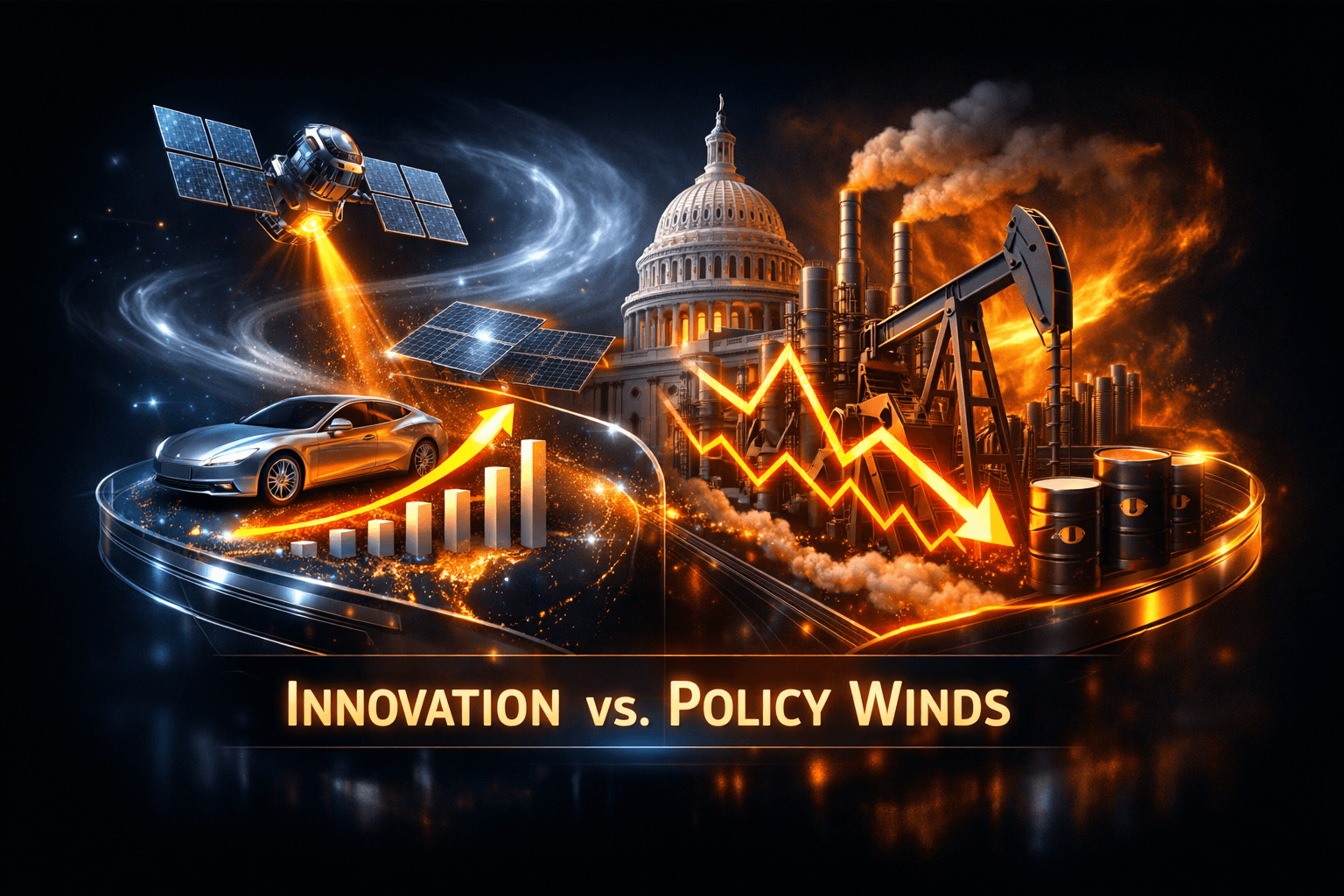
Space-based solar ambitions, accelerating electrification, and new district heating plans grabbed headlines on Sunday, Nov 8, while policy and supply moves kept the risk picture mixed for the energy complex. You should know that innovation is creating fresh long-term pathways, even as near-term forces like OPEC output and U.S. trade policy are reshaping where returns and risks lie.
Markets were closed on Sunday, so the stories below are developments you can react to when trading resumes on Monday, Nov 9. Which themes are likely to matter most to your portfolio, technology or policy? That tension is the dominant thread this weekend.
Market Highlights
Key facts and figures from the most important stories, useful as you review positions heading into the long weekend.
- Space solar power: analysts note roughly 30 percent of incoming solar radiation never reaches ground level, which is fueling government interest in space-based solar power projects that would collect uninterrupted sunlight.
- U.S. solar supply shock: utility-scale developer inventories jumped 126 percent in Q2 2026, prompting procurement and contract shifts as Section 232 trade deadlines approach.
- District heating adoption: district systems currently deliver about 10 percent of global building heat demand, and New York’s effort to capture waste heat could expand that share in urban markets.
- Big Oil and AI: reporting highlights growing AI-driven demand for natural gas and energy services as hyperscale data centers expand, with majors like Exxon Mobil (XOM) and Chevron (CVX) cited as deepening partnerships with AI firms.
- Corporate note: South Bow reported $99 million in normalized net profit for Q3, a beat on estimates even as throughput declines affected quarter-on-quarter results.
Key Developments
Space-Based Solar Power Gains Momentum
Multiple countries are accelerating research into space-based solar power, aiming to avoid nighttime and weather limits that constrain terrestrial solar. Proponents point to continuous sunlight in orbit, and advocates argue SBSP could be a long-term complement to ground-based renewables.
For you that means a long-term thematic to watch in energy innovation and aerospace supply chains, but commercialization timelines remain long and capital intensive. Is SBSP something you expect to impact returns in the next few years?
EV and Electrification Stories Point to Growing Demand
Electrek’s weekend pieces underline consumer and industrial electrification momentum, from consumer e-bike demand to Volkswagen’s new ID. AURA rollout and Renault’s move into autonomous electric military platforms. Reporting highlights software and affordability as central to mass-market adoption.
Those trends support suppliers across batteries, power electronics, and software stacks. If you own names tied to electrification, monitor whether revenue growth from mainstream EV models translates into margin improvements for suppliers.
Policy and Supply Create Near-Term Headwinds
U.S. solar developers are actively reshaping procurement as the Section 232 deadline approaches, following a 126 percent inventory build earlier in 2026. That regulatory stack is raising contract risk, timing uncertainty, and potential cost pressure for utility-scale projects.
At the same time, a Bloomberg survey showed OPEC production rose toward pre-war levels as Saudi output recovered, a development that can weigh on oil prices and on producers' near-term cash flow. These are reminders that policy and geopolitics still set the short-term tone.
What to Watch
Here are the catalysts and risk factors to track as markets reopen on Monday, Nov 9. You’ll want to prioritize items that affect both price drivers and project timelines.
- Section 232 timeline and trade updates, which could change procurement costs and project schedules for U.S. solar developers.
- OPEC production data and comments from Saudi officials, since additional Gulf output could blunt oil prices and impact integrated oil margins.
- Corporate reports from major oil and utility companies, and any follow-up on AI contracts that link hyperscalers with fossil-fuel power for data centers.
- Progress on district heating pilots in New York and announcements of off-taker commitments, which would signal scalable demand for waste-heat projects.
- Milestones in space-solar R&D or government funding announcements, which could shift the investment horizon for SBSP or related supply chains.
Remember, some of these developments will affect returns quickly while others are multi-year stories. How do you want to allocate exposure between near-term cash flows and long-term innovation?
Bottom Line
- Innovation is abundant: from space-based solar to new EV software, the sector’s technology pipeline is expanding your opportunity set over the long term.
- Near-term caution warranted: rising OPEC output and U.S. trade-policy uncertainty create concrete headwinds that can compress margins and delay projects.
- Be selective: favor names with clear revenue paths or contractual protections against policy shifts, and monitor balance-sheet strength for capital-intensive projects.
- Look for catalysts: Section 232 developments, OPEC statements, and corporate earnings will likely drive volatility when markets reopen on Nov 9.
- This summary is for informational purposes only, analysts note it does not constitute investment advice and isn’t a recommendation to buy, sell, or hold any security.
FAQ
Q: How soon could space-based solar matter to energy markets? A: Realistic timelines are long, analysts say years to decades, with near-term relevance more likely for R&D and supply-chain investment than immediate power generation.
Q: Will higher OPEC output push oil prices lower next week? A: Increased Gulf supply usually puts downward pressure on prices, but prices will also respond to demand data and macro headlines when markets reopen on Nov 9.
Q: Should solar developers delay projects because of Section 232? A: Developers are adjusting procurement and contract terms to manage risk, but decisions depend on project-specific economics and legal advice rather than a one-size-fits-all rule.