The Big Picture
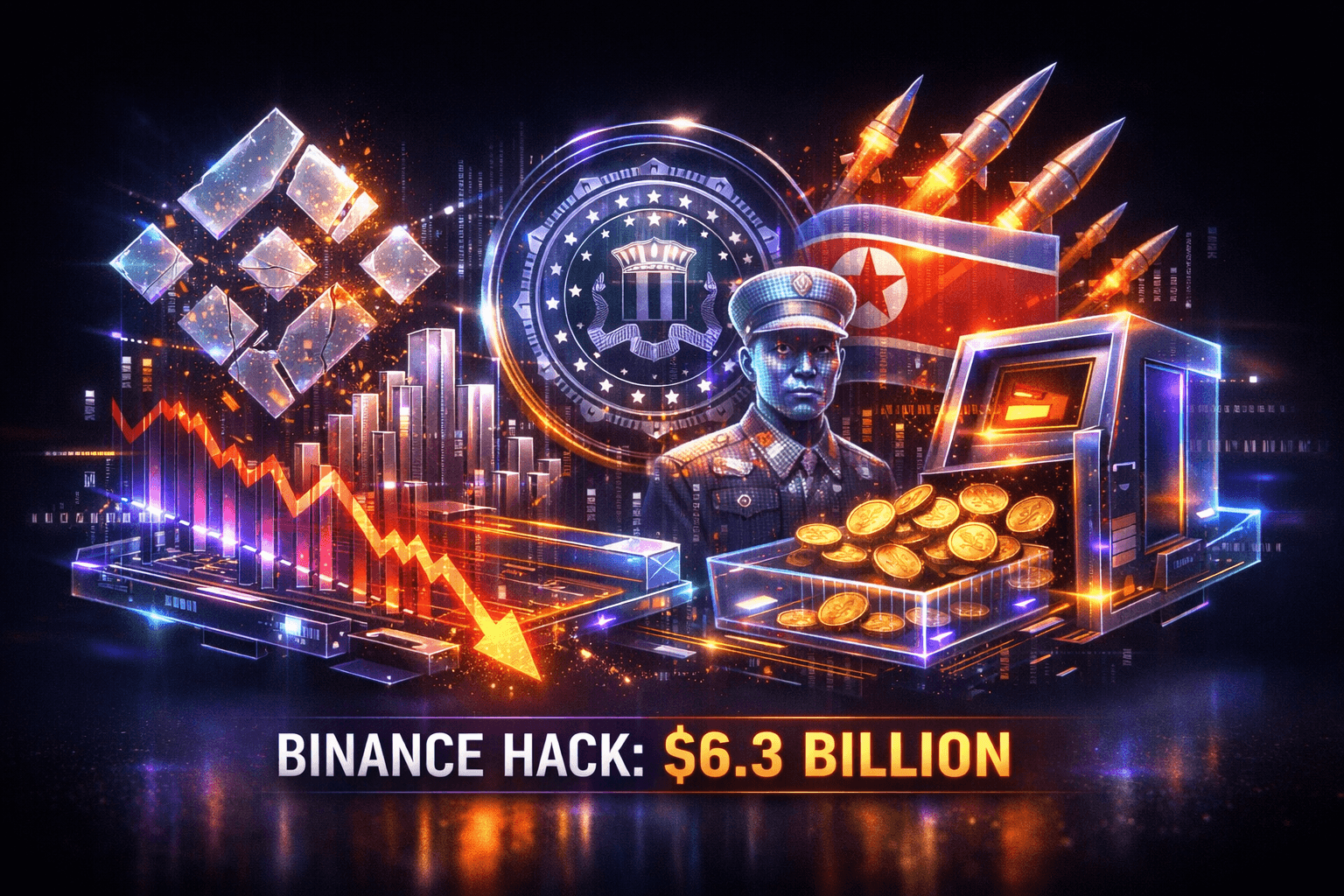
Binance, the world’s largest crypto exchange, reopened phased withdrawals starting with bitcoin after a record $6.3 billion exploit, but the crisis is far from over. The FBI has publicly attributed the theft to North Korea and asked the crypto community to help block hundreds of addresses, heightening regulatory and technical pressure across the sector.
Crypto markets trade around the clock, while US stock exchanges are closed today, with the last trading day on Friday, October 30 and the next on Monday, November 2. If you hold crypto, this weekend’s developments matter because they affect on-chain liquidity, exchange trust, and how attackers move funds in real time.
Market Highlights
Short bullets for quick context and facts you can scan fast.
- Binance has begun phased withdrawals, starting with bitcoin, after attackers drained roughly $6.3 billion to $6.4 billion according to multiple reports.
- The FBI publicly blamed North Korea for the hack and published lists of hundreds of suspicious addresses, while Chainalysis says attackers have used thousands of addresses and will likely continue to fragment funds.
- Binance reports it has replenished about 90 percent of stolen assets, leaving mainly less-liquid tokens outstanding as of the exchange’s latest update.
- A separate security incident saw attackers hijack a dozen DeFi websites registered with Name.com and steal about $138,000, underscoring broad vulnerability across the ecosystem.
- Chainalysis also reported that the attackers used techniques to evade stablecoin freezes and that some security firms had customer data accessed in related intrusions.
Key Developments
Binance reopens withdrawals in phases
Binance said it would start phased withdrawals with bitcoin leading phase one as it works to restore customer access. The exchange also says it has bought replacement assets via market and over-the-counter trades and that about 90 percent of the stolen value has been replenished.
For you, that means partial operational normalcy may return, but liquidity for less-liquid tokens could remain constrained. Expect uneven withdraw limits and extra verification steps as Binance prioritizes safety and regulatory transparency.
FBI attribution and coordination request
The FBI publicly attributed the hack to North Korean-linked actors and asked the private sector and DeFi community to block listed $BTC, $ETH, and $SOL addresses. The agency’s notice includes hundreds of addresses, but analytics firms warn the attacker is using thousands and evolving tactics.
What does this mean for the market? Law enforcement involvement raises political and regulatory stakes, and it increases the chance of cross-border sanctions, exchange delistings, or stricter surveillance standards for on- and off-ramps.
Broader security fallout and supply-chain signals
Beyond Binance, attackers hijacked a set of DeFi sites registered at a single registrar, netting roughly $138,000, and security firm Chainalysis disclosed customer name and email access in a separate compromise. These incidents point to supply-chain and operational attack vectors gaining traction.
Investors should note these are not isolated problems. The attack pattern raises red flags for custodial security, third-party registrars, and analytics providers that you rely on for transparency.
What to Watch
Here are the catalysts and risks you should track as the story unfolds.
- Withdrawal roll-out and limits: Watch Binance’s announcements for which tokens and regions are next, and expect staged limits. You’ll want to check official Binance channels before moving funds.
- Law enforcement action: Monitor further FBI notices, sanctions or coordination with international agencies. These actions could change how exchanges handle flagged addresses and frozen funds.
- On-chain movement and cluster analysis: Chainalysis and other firms will publish new tracing data. Watch for attempts to convert stolen assets through mixers, bridges, or OTC desks.
- DeFi and registrar vulnerabilities: The Name.com domain hijack suggests registrars and DNS remain weak links. If you use DeFi, review your wallet security and verify domains carefully.
- Regulatory responses: Expect lawmakers and regulators to cite this incident when proposing rules for custodial safeguards, KYC, and AML controls. That could lead to faster policy changes this quarter.
Bottom Line
- The sector faces heightened risks after a historic $6.3B exploit, even though Binance says 90 percent of assets have been replenished and withdrawals are resuming.
- Attribution to North Korea elevates legal, geopolitical, and AML implications and increases scrutiny on exchanges and DeFi tooling.
- Operational weak points, including domain registrars and analytics providers, have been exploited, suggesting a need for wider security reviews across the ecosystem.
- If you hold crypto, consider checking withdrawal rules, diversifying custody approaches, and keeping an eye on on-chain tracing reports to track any exposure.
- This briefing is for information only. Analysts note that data suggests elevated short-term volatility and higher regulatory risk, not a specific buy, sell, or hold recommendation.
FAQ Section
Q: How much was stolen and has it been returned? A: Roughly $6.3 billion to $6.4 billion was stolen. Binance says about 90 percent of the value has been replenished, with less-liquid tokens still outstanding.
Q: Who did the FBI say was behind the hack and what did it ask for? A: The FBI attributed the attack to North Korean-linked actors and asked the private sector and DeFi community to block hundreds of suspicious $BTC, $ETH, and $SOL addresses.
Q: Should you move assets off exchanges right now? A: That depends on your risk tolerance and custody strategy. You should review exchange withdrawal rules, your personal security setup, and monitor official updates before making decisions.
Investment Disclaimer: This article is informational only. It does not provide personalized investment advice or recommendations to buy, sell, or hold any assets. Analysts note that events reported here increase market risk and could affect liquidity and valuations.