The Big Picture
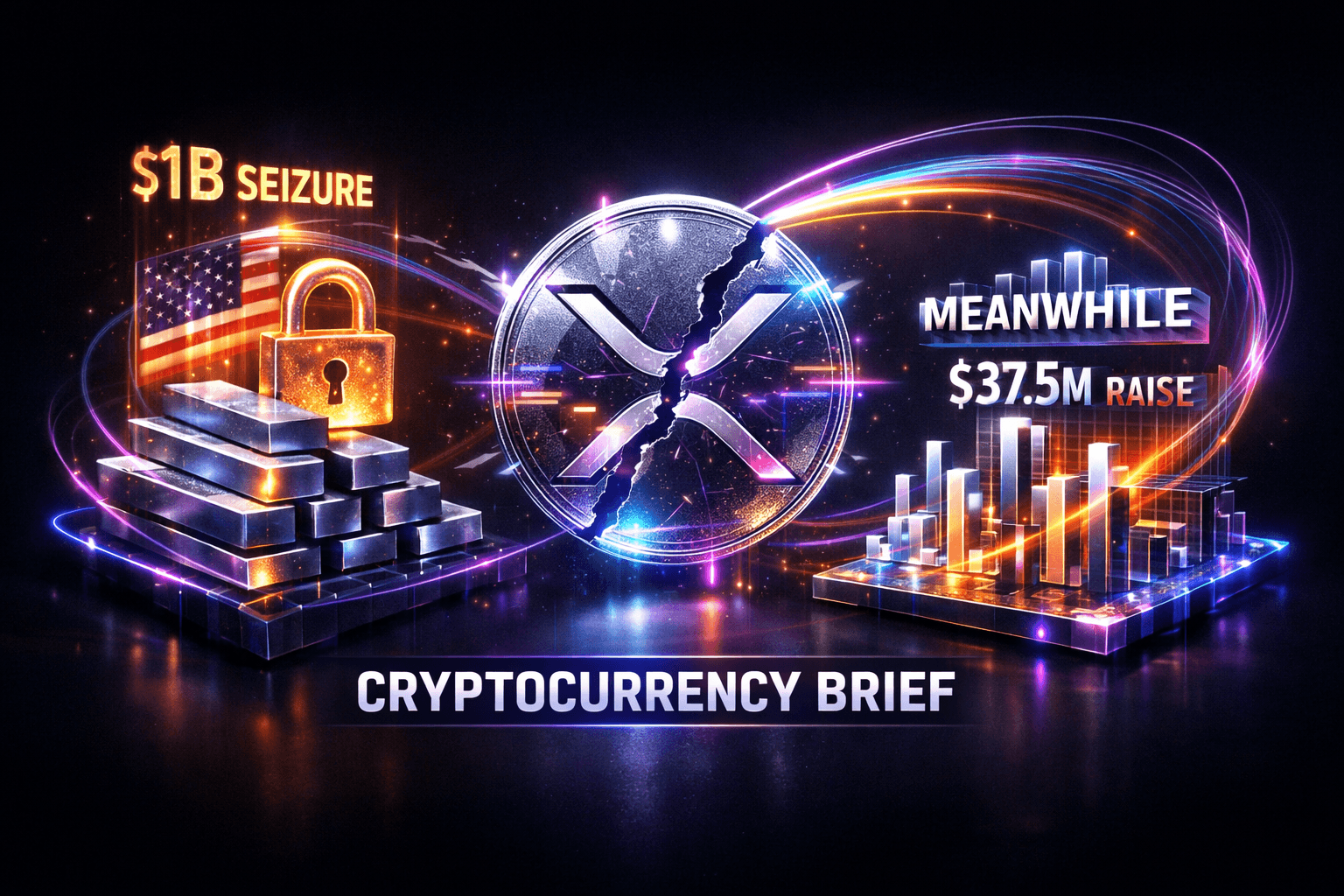
U.S. authorities say they will seize roughly $1 billion in crypto linked to Iran, a move that underlines intensifying enforcement pressure on cross-border flows and sanctions evasion. At the same time, the sector saw fresh growth signals, with a Sam Altman-backed startup raising more capital for Bitcoin life insurance.
Why this matters to you: enforcement, security, and demand are all moving at once, and that mix is creating divergent signals for risk and opportunity heading into the long weekend. Crypto markets never sleep, so you'll want to follow which headlines get priced in first when trading resumes in the week ahead.
Market Highlights
Quick facts and numbers to scan this morning.
- $1B — U.S. Treasury said it will seize about $1 billion in crypto linked to Iran, per multiple reports on Oct 9-10.
- $37.5M — Meanwhile, a Bermuda-regulated Bitcoin life insurer backed by Sam Altman and Bain Capital Crypto, raised another $37.5 million, pushing total funding to over $180 million.
- 10 large days — CoinDesk counts 10 unusually large Bitcoin trading days in 2026, signaling more frequent extreme moves despite lower average volatility.
- 40%+ drop — Robinhood Chain daily transactions fell from 10.8 million to 6.2 million since mid-September, as reported by CoinDesk, even while $HOOD covered network fees on swaps.
- Critical patch — The XRP Ledger received an emergency fix after researchers showed a decade-old bug could create spendable $XRP without proper funding.
Key Developments
U.S. enforcement: $1B crypto seizure tied to Iran
Treasury officials and senior sources told media outlets that U.S. agencies plan to seize about $1 billion in crypto assets linked to Iran. The action is part of a broader sanctions enforcement campaign targeting digital finance channels used to evade restrictions.
Implications: enforcement of this scale raises questions about custodial traceability, cross-chain exposure, and how quickly seized assets can be identified and isolated. If you're tracking regulatory risk, this is a clear reminder that geopolitical events can produce sudden liquidity shocks.
Meanwhile raises $37.5M, demand for Bitcoin life policies grows
Meanwhile, the Bermuda-regulated startup backed by Sam Altman and Bain Capital Crypto secured $37.5 million in fresh capital, bringing total funding to roughly $180 million. The company says demand from wealthy families for Bitcoin-denominated life policies has picked up amid macro instability.
Implications: the deal signals rising appetite from high-net-worth clients for legacy-style wealth-transfer tools built on $BTC. Analysts note this is part of a broader institutionalization trend that could influence custody, insurance, and estate-planning services.
Security and network health: XRPL patch, Robinhood Chain slowdown, and volatility quirks
Developers pushed an emergency release to the XRP Ledger after researchers demonstrated a bug that could have created spendable $XRP from nothing. The patch aims to close a vulnerability that, if exploited, could have had outsized economic consequences.
At the same time, Robinhood Chain activity has slumped more than 40% in daily transactions since mid-September, raising questions about user retention and fee subsidies. CoinDesk's volatility analysis also shows 2026 had 10 unusually large Bitcoin trading days, which suggests tail risk remains even as average volatility has fallen.
Implications: you should see these stories as connected threads. A high-profile bug or congested network can erode confidence, while structural flows into products like life insurance point to growing institutional demand. The net effect is mixed, and market sensitivity to single events is still high.
What to Watch
Here are the catalysts and risk factors to monitor over the next week.
- Enforcement updates: watch Treasury and DOJ statements and any asset freezes or auction notices tied to the $1B seizure.
- Patch adoption: track node upgrade metrics and client releases for the XRP Ledger to confirm the vulnerability is fully mitigated.
- On-chain activity: monitor daily transaction counts and active addresses for Robinhood Chain and major L1s to see whether the recent drop is structural or temporary.
- Volatility indicators: check realized volatility, volume spikes, and options skew for $BTC to gauge tail-risk sentiment after CoinDesk's analysis.
- Institutional flows: follow custody inflows, product launches, and fundraising announcements like Meanwhile's for signs of steady institutionalization.
- AI-related cyber risk: firms like OpenAI and Anthropic are rehearsing responses to AI-driven incidents, which raises new operational risk vectors for exchanges and custodians. Could AI introduce new attack surfaces for crypto infrastructure?
Bottom Line
- Enforcement is front and center, with a planned $1B seizure spotlighting sanctions risk for cross-border crypto flows.
- Capital continues to flow into crypto infrastructure, exemplified by Meanwhile's $37.5M round and growing demand for Bitcoin estate solutions.
- Technical risk remains real, after the XRPL emergency patch and the Robinhood Chain slowdown; monitor adoption of fixes and user activity closely.
- Market structure is evolving, CoinDesk's volatility analysis reminds you that extreme days are still more frequent, even if average volatility has declined.
- Stay selective and keep an eye on official filings and on-chain signals, because headlines can move markets quickly over a short window.
FAQ Section
Q: Will the $1B seizure directly crash Bitcoin prices? A: Not necessarily, analysts note seizures can create short-term volatility and liquidity effects, but broader price moves depend on how much of the asset supply is affected and market reaction.
Q: Is Meanwhile's fundraising a sign institutions are committing to Bitcoin long term? A: The round indicates growing institutional interest in tailored custody and insurance products, though it does not guarantee broad market adoption overnight.
Q: How worried should I be about the XRP Ledger bug? A: The emergency patch addresses the immediate vulnerability, but you should watch node upgrade rates and client advisories to confirm the fix is widely adopted before considering risk resolved.