The Big Picture
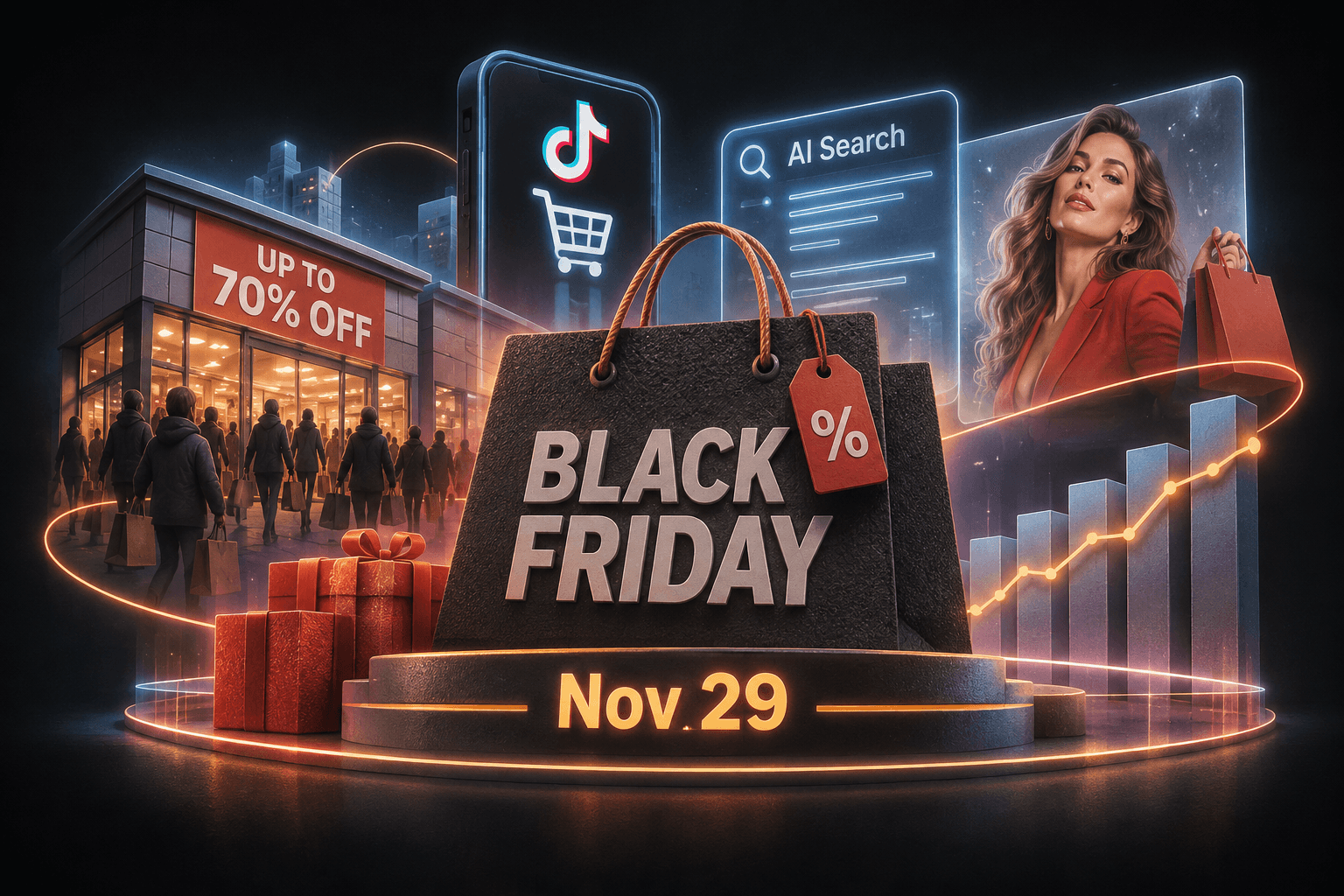
Black Friday brought shoppers through retailers’ doors, but steep discounts and special doorbusters were needed to help get them there. Retail Dive’s roundup of the day’s winners and losers reports that shoppers made purchases and had fun, while the promotional intensity is a reminder that traffic alone doesn’t reveal how profitable the holiday weekend will be.
A separate Modern Retail podcast points to changes in how shoppers discover products, including TikTok Shop, AI assistants and celebrity advertising. Together, the stories offer mixed signals for retail investors: consumers are participating, but retailers face questions about the cost of attracting them and the effectiveness of new shopping channels. U.S. markets are closed this Sunday, November 29; the next trading session is Monday, November 30.
Market Highlights
The reports provide a read on consumer behavior, not a company-by-company earnings update. Neither story includes sales totals, traffic figures, margin data, named retailer performance or stock-price changes, so there are no supported percentage moves or ticker-specific winners to cite.
For investors, the key distinction is between getting shoppers to browse and converting that attention into profitable sales. Discounts can encourage purchases, but the summaries don’t quantify how much retailers gave up in margin or whether shoppers bought more than the advertised deals.
- Black Friday: Retail Dive says steep discounts and special doorbusters helped draw shoppers, who made purchases and enjoyed the event.
- Holiday discovery: Modern Retail highlights TikTok Shop, AI assistants and celebrity ads as influences on how consumers find and consider products.
- Market data: The stories report no retailer-specific percentage changes, sales figures or stock-price movements. U.S. markets were closed Sunday, with trading due to resume Monday, November 30.
That lack of hard numbers matters. You can use these reports to identify the themes retailers are navigating, but not to determine which individual chains or platforms had the strongest financial results.
Key Developments
Black Friday traffic came with a promotional price tag
Retail Dive’s account captures both a positive and a cautionary side of the shopping event. Consumers showed up, bought items and found the experience enjoyable, but retailers needed steep discounts and doorbusters to bring people through the door. That makes the day’s reported activity encouraging as a signal of participation, rather than conclusive evidence of stronger profitability.
For retail companies, promotions can serve several purposes: drawing traffic, clearing inventory or introducing shoppers to products. But the source summary doesn’t say which retailers used which tactics, how widely discounts were applied or how sales compared with last year. You’ll want to wait for company disclosures and subsequent reporting before drawing conclusions about revenue growth, average selling prices or margins.
Why look beyond the headline that shoppers purchased? A busy store or a successful promotional event can still have different financial outcomes depending on the level of discounting, product mix and costs. Those details are not available in this roundup, so the balance between sales volume and profitability remains an open question.
Digital discovery and advertising add another holiday battleground
Modern Retail’s podcast examines TikTok Shop, AI assistants and glitzy celebrity ads as forces shaping holiday shopping behavior. These channels and formats could influence how consumers discover products and where they choose to complete a purchase. The report frames them as trends under discussion, not as proven drivers of sales growth for a particular retailer.
For investors, the practical issue is whether retailers can translate attention into purchases efficiently. Social commerce may combine product discovery and checkout, while AI search could affect how consumers compare options. Celebrity campaigns can help a brand stand out, but their cost and sales impact aren’t quantified in the story. No specific retailer, campaign result or financial return is identified.
These developments connect with the Black Friday discount story: retailers are competing both for the shopper’s attention and for the eventual transaction. A shopper may encounter a product through an ad, social platform or AI-assisted search, then respond to a promotion. The reports don’t establish which combination works best, so investors should treat the formats as areas to monitor rather than as demonstrated winners.
What to Watch
As holiday trading continues, look for retailers to report comparable sales, online growth, traffic, average transaction values and inventory levels. Those measures can help clarify whether Black Friday purchases reflected broad demand or were concentrated in discounted items. Margin commentary will be especially useful in assessing the cost of the doorbusters described by Retail Dive.
Also watch for company updates on social commerce, AI-assisted search and advertising effectiveness. The podcast identifies these as relevant trends, but company disclosures or reliable performance data will be needed to assess their financial significance. If you follow a particular retailer, check whether management discusses customer acquisition costs, conversion rates or sales through third-party platforms.
Monday, November 30, is the next U.S. trading day after this Sunday briefing. The supplied stories do not provide a specific scheduled earnings report, policy event or company announcement for Monday, so the immediate focus is likely to be investors’ interpretation of the holiday-shopping signals and any new company-level information. Keep the market-closed timing in mind: there is no Sunday U.S. equity session or Sunday stock move to report.
Bottom Line
- Black Friday drew shoppers and purchases, but steep discounts and doorbusters were part of the reported draw.
- Strong traffic does not, by itself, establish stronger margins or profitable growth.
- TikTok Shop, AI search and celebrity ads are on the holiday retail radar, but the reports provide no quantified sales impact.
- No individual retailer results, ticker moves or percentage changes were included in the source stories.
- Use upcoming company disclosures to assess sales quality, promotional costs and the business impact of new shopping channels.
FAQ
Q: What did the Black Friday report say about shoppers? A: Retail Dive reported that steep discounts and doorbusters helped bring shoppers in, and that consumers made purchases and had fun.
Q: Which holiday shopping trends are highlighted? A: Modern Retail’s podcast discusses TikTok Shop, AI assistants and celebrity advertising as factors shaping shopping behavior.
Q: Did the stories identify stock movers or company sales figures? A: No. The summaries don’t provide named company results, sales totals, percentage changes or share-price data.