The Big Picture
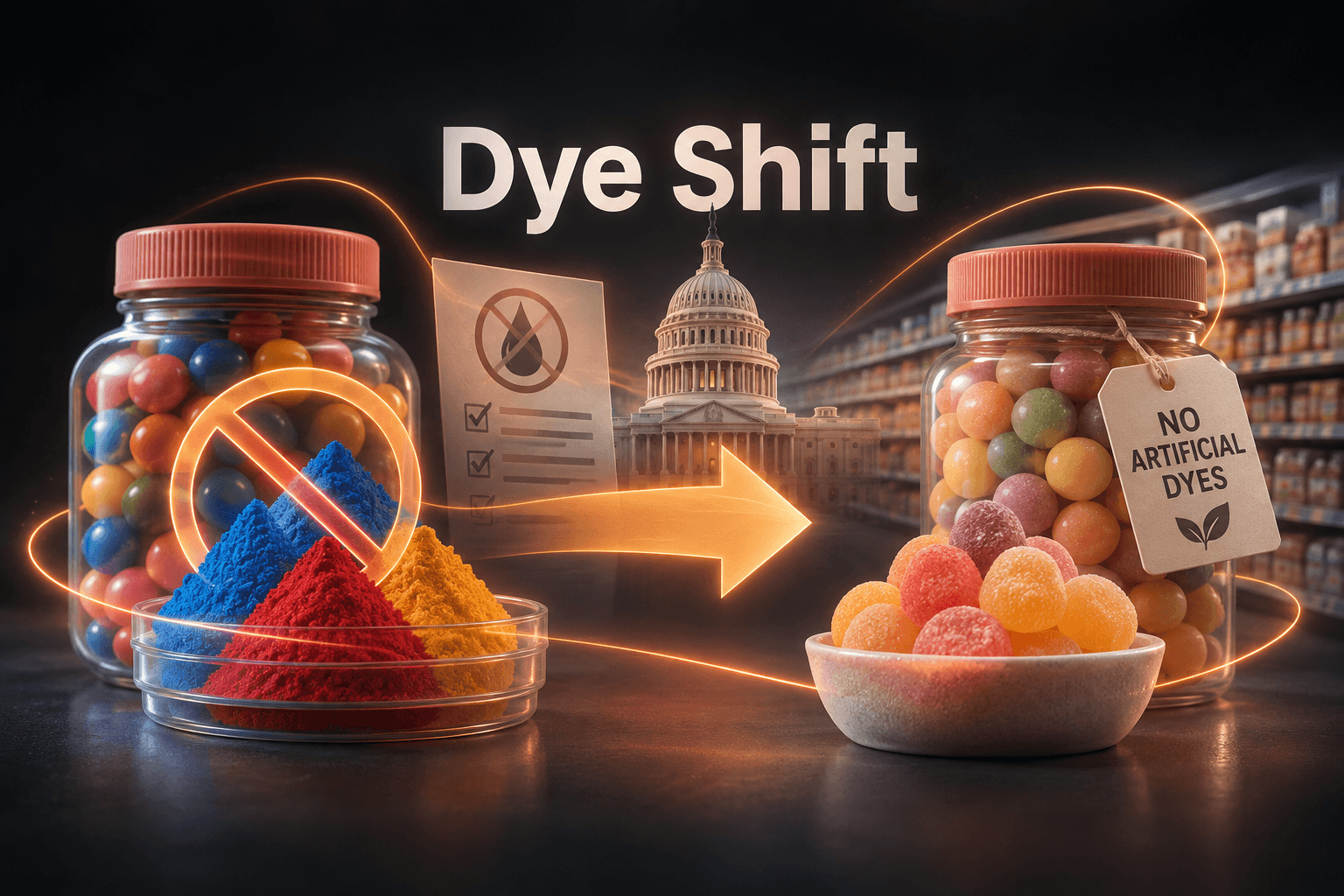
Artificial dye removal is moving from a consumer talking point toward a broader food-industry transition, with U.S. brands and retailers phasing out the additives amid policy shifts and rising consumer demand. Modern Retail describes 2026 as a turning point, but its report does not identify specific companies, deadlines, or financial results.
For retail investors, that makes this a strategic signal rather than a company-level earnings catalyst for now. The direction may favor businesses that respond effectively to changing preferences, while reformulation and product changes could bring execution costs. Which companies can adapt without weakening margins is the question to watch.
Market Highlights
U.S. stock markets were closed Sunday, November 22. The last trading session was Friday, November 20, and the next is Monday, November 23, so there was no U.S. equity trading reaction to this weekend’s report.
The source summary does not name food manufacturers or retailers, provide stock tickers, or report price changes, sales figures, or percentages. There’s no basis here to attribute a move to any individual company or to quantify the potential market impact.
- Reported trend: U.S. food brands and retailers are phasing out artificial dyes.
- Drivers cited: policy shifts and increasing consumer demand.
- Timing: Modern Retail characterizes 2026 as a turning point, without specifying a universal deadline.
- Trading context: U.S. equities were closed Sunday; Friday, November 20, was the most recent trading day.
Key Developments
Brands and retailers respond to changing expectations
The central development is that dye removal is being addressed across both food brands and retailers, rather than described only as an isolated product decision. That could matter across the consumer and retail value chain: manufacturers may need to adjust products, while retailers make decisions about the assortment they offer shoppers.
The report identifies consumer demand as one driver, but it doesn’t quantify how many shoppers are changing behavior or how much demand is influencing purchasing. For you, the distinction matters. A widely discussed preference is not automatically evidence of stronger sales, pricing power, or improved profitability for any particular business.
Policy momentum adds a second pressure point
Policy shifts are also contributing to the phaseout, according to the supplied summary. The story does not specify which policies have changed, where they apply, or whether they create binding requirements. That means investors shouldn’t assume a single national rule or a fixed compliance timetable based on this report alone.
Still, policy attention can influence company planning even when the details differ by jurisdiction. Businesses may consider product reformulation, ingredient sourcing, and how they communicate changes to shoppers. These are potential operational considerations, not reported costs or confirmed plans for any named company.
The financial effect depends on execution
Removing an ingredient can require product and supply-chain adjustments, but the article summary gives no estimates for expenses, timing, or effects on product quality and sales. Companies that make changes successfully could align more closely with consumer expectations. At the same time, the financial outcome will depend on whether they can manage the transition efficiently and maintain customer acceptance.
That leaves both a possible business benefit and a cost question in view. The development is relevant to food brands and retailers, but the available information doesn’t show whether it will materially change revenue, margins, or competitive positions. A selective approach to company analysis is more appropriate than treating the sector-wide trend as a confirmed earnings boost or threat.
What to Watch
As the new trading week begins Monday, November 23, watch for companies to provide more specific information in earnings calls, investor materials, or product announcements. Useful details would include which products are changing, when changes take effect, and whether management expects added costs or sees evidence of customer response.
Policy specifics are another key catalyst for understanding the scope of the shift. Investors can look for the jurisdictions and requirements involved, along with any compliance dates. Without those details, it’s difficult to compare companies’ exposure or determine whether policy is accelerating changes already underway in response to shoppers.
Pay attention to operational and commercial indicators rather than announcements alone. Relevant evidence could include product availability, reformulation expenses, consumer feedback, and management commentary on sales or margins. None of those measures is supplied in the report, so they remain items to verify rather than outcomes to assume.
Risk factors include transition costs, timing uncertainty, and the possibility that consumer interest may not translate into measurable purchasing changes. On the other side, companies that communicate product changes clearly and manage execution may be better positioned to meet evolving expectations. What matters for your analysis is whether future disclosures connect the broad trend to observable business results.
Bottom Line
- Artificial dye removal is gaining momentum among U.S. food brands and retailers, with policy shifts and consumer demand cited as drivers.
- The report describes a broad industry direction, not a quantified sales or profit trend.
- No companies, tickers, stock-price changes, or implementation costs were specified, so company-level conclusions remain premature.
- U.S. markets were closed Sunday. The next trading session is Monday, November 23, following Friday’s close.
- For a clearer read, monitor company disclosures on reformulation, timing, costs, consumer response, and applicable policy requirements.
FAQ Section
Q: Why are food brands and retailers phasing out artificial dyes? A: The report cites shifting policy conditions and increasing consumer demand, without detailing particular rules or consumer data.
Q: Which companies or stocks are affected? A: The supplied story summary does not name companies or tickers, so it doesn’t establish company-specific exposure.
Q: Did the news move U.S. retail stocks today? A: U.S. stock markets were closed Sunday, November 22. The next trading session is Monday, November 23, and no price reaction is reported here.