The Big Picture
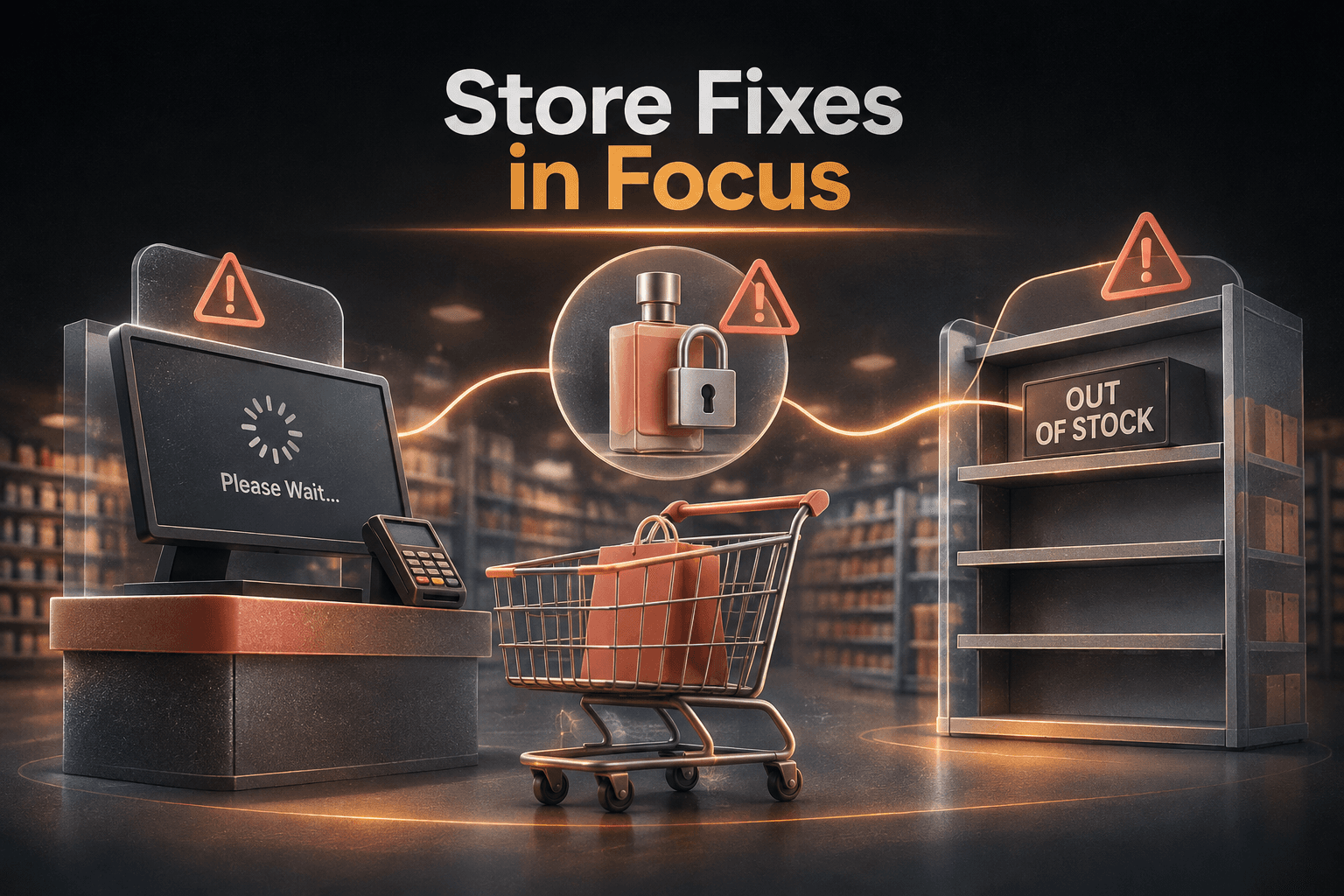
Retailers face a familiar but consequential challenge: the store experience can frustrate shoppers even when stores remain an important part of retail sales. A Modern Retail report published Saturday, based on its podcast, points to self-checkout, locked items and inventory gaps as recurring pain points, while noting that retailers are trying to improve them.
That is an operational story, not a fresh earnings signal. With US markets closed Sunday, November 15, the report offers no company-specific data or stock reaction; for you, the key question is whether retailers can turn efforts to repair store visits into improvements shoppers notice.
Market Highlights
The source doesn't identify specific retailers, provide financial figures, or report changes in sales, margins or customer metrics. It also doesn't include analyst ratings or price movements, so there is no basis for attributing a performance move to this story.
- The Modern Retail podcast report was published November 14 and focuses on friction in the in-store shopping experience.
- Issues cited include self-checkout, locked merchandise and inventory gaps.
- US stock markets are closed Sunday. The next regular trading session is Monday, November 16; no related Friday, November 13 price data was provided.
That lack of company-level detail matters. The challenges may be relevant across retail, but the report doesn't establish how widespread each issue is or which businesses are making measurable progress. Treat the topic as a sector operating theme, not a signal about any particular stock.
Key Developments
Store friction remains an operating concern
Stores continue to drive retail sales, according to the report, but the customer journey can break down at basic moments. Self-checkout can create a difficult checkout experience, locked items can add obstacles to browsing and purchase, and inventory gaps can leave shoppers unable to find what they came for.
These examples point to separate operational choices rather than one single fix. Retailers may need to balance checkout convenience, merchandise security and product availability. The report describes the problems and says retailers are attempting to address them; it doesn't quantify the costs, identify specific approaches, or show whether the efforts have worked.
Execution, not slogans, will determine the value
For retail investors, the implication is that store improvements are worth monitoring as part of a company's broader execution. A smoother visit could support customer satisfaction, but this report doesn't establish that better experiences have increased spending or improved profitability. What evidence would help you distinguish a real improvement from a promise? Company disclosures and operating metrics, when available, are more useful than broad claims alone.
There are trade-offs to watch, too. Reducing friction at checkout or making merchandise easier to access could require changes in staffing, technology or loss-prevention practices. The source offers no cost estimates or comparisons, so the financial effect remains unclear. Retailers' ability to improve the experience without undermining other operating priorities is the issue to follow.
A sector-wide theme, with no named stock catalyst
The podcast frames the problem across the in-store experience, but the supplied summary names no retailer, product launch, policy change or corporate announcement. That limits company-by-company conclusions and means no specific ticker or share-price move can responsibly be attached to the report.
For now, the story is best read as a reminder that physical stores remain relevant while shoppers' expectations and store operations can be at odds. Retailers that describe concrete changes and later report customer or operating results would offer a clearer basis for evaluating the theme. Until then, the message is mixed: a persistent challenge, paired with an effort to fix it.
What to Watch
As the market reopens Monday, November 16, monitor company news and scheduled disclosures for retailers that discuss store operations, checkout, product availability or customer experience. This report itself does not announce an upcoming event or provide an earnings date, so don't assume a near-term company catalyst from the podcast coverage.
In future earnings reports, look for measurable context rather than standalone anecdotes. Relevant disclosures could include store traffic, sales trends, inventory availability, customer satisfaction, labor or technology costs, and shrink-related commentary. Those measures may help investors assess whether an operational change is delivering results, though retailers don't all report the same metrics.
Risks include persistent inventory problems, shopper frustration, and added costs from efforts to improve service or security. The report doesn't quantify any of these risks, which makes it important to separate confirmed company results from sector-level discussion. For your own review, compare any retailer's claims with its subsequent reported performance and note what remains unmeasured.
Bottom Line
- The weekend report highlights self-checkout, locked products and inventory gaps as sources of in-store friction.
- Stores remain important to retail sales, but the source gives no figures showing the financial impact of these problems.
- Retailers are attempting fixes, yet no specific company, solution or measurable outcome is identified.
- US markets were closed Sunday; the next session is Monday, November 16, and no related stock moves were reported.
- Use future company disclosures to assess execution, costs and customer outcomes; this story alone does not establish a stock-specific catalyst.
FAQ
Q: What in-store problems does the report highlight? A: It points to self-checkout, locked items and inventory gaps as sources of frustration for shoppers.
Q: Does the story identify a retailer or report a stock move? A: No. The supplied summary names no company and provides no share-price or financial data.
Q: What should retail investors watch next? A: Look for company disclosures with measurable information on store operations, customer experience, inventory and related costs.