The Big Picture
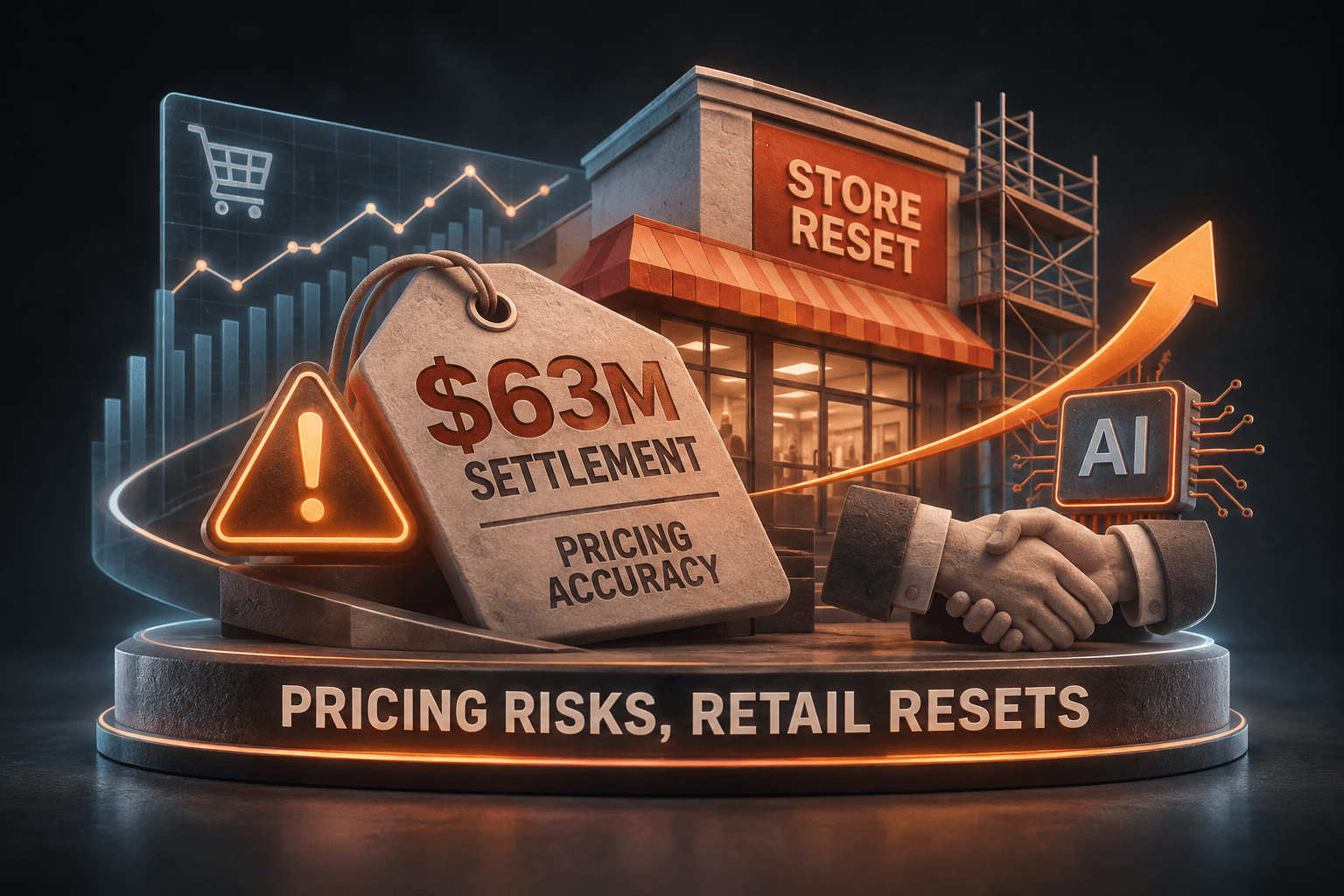
Pricing and execution risks shared the spotlight with plans to modernize stores and streamline operations in Friday’s Consumer & Retail news. Family Dollar agreed to pay $63 million to settle unfair-pricing claims, while Sally Beauty outlined a broader store refresh and Target added a new independent director.
The stories point to a sector balancing customer trust and compliance with investment in new ways to sell and serve shoppers. US markets were open, but the reports provided no company share-price changes to attribute to these developments. For your read-through, the key question is which initiatives can improve the customer experience without adding costs or legal exposure.
Market Highlights
There were no reported market-wide moves or specific stock reactions in the supplied coverage. Instead, the day’s signals were company-level: a significant settlement, planned store upgrades, new digital ordering capabilities and a legal challenge over payment fees.
- Family Dollar will pay $63 million to resolve state and federal unfair-pricing claims, and says it is working to strengthen price accuracy.
- Sally Beauty plans to expand its Sally Ignited store concept in 2027, with a long-term goal of refreshing two-thirds of its stores.
- Target appointed Sally Grimes as an independent director. Target and Walmart are also changing their beauty and wellness departments, prompting brands to revisit merchandising and marketing plans.
- GrubMarket introduced an AI agent that converts vendor invoices and receipts into purchase orders for food distributors. Instacart partnered with Provi to offer bars and restaurants a way to order non-alcoholic items.
Among publicly traded names mentioned in the coverage, Target trades as Target (TGT), Walmart as Walmart (WMT), and Sally Beauty as $SBH. The articles did not provide price performance for these stocks, so the developments are best viewed as operational and strategic signals, not evidence of a market reaction.
Key Developments
Pricing accuracy and payment-fee rules bring legal risk into focus
Family Dollar’s $63 million settlement is the clearest financial and reputational warning in the day’s news. The discounter said it is cooperating and focused on strengthening pricing accuracy across stores and maintaining customer trust. For retailers, accurate shelf and checkout prices are a basic part of store execution, but problems can carry regulatory costs and undermine shoppers’ confidence. The settlement alone doesn’t establish how the company’s broader operations or future results will change.
A separate dispute could affect how merchants handle card transactions in Illinois. Trade groups including FMI and NGA sued federal bank and credit union regulators over preemption of a state law banning swipe fees on taxes and tips. The dispute’s outcome could shape payment costs for affected merchants, but the coverage provides no timeline or estimate of potential savings. You’ll want to watch for court developments and any effect on retailer pricing or transaction policies.
Store and assortment changes are reshaping retail competition
Sally Beauty’s plan to expand its Sally Ignited format in 2027, alongside a longer-term refresh of two-thirds of its store fleet, signals a substantial effort to update the shopping experience. Target and Walmart are also upgrading beauty and wellness aisles to compete more directly with specialty retailers. The changes are influencing how consumer brands present products, allocate media spending and choose distribution partners. For investors, execution matters: a refreshed format is a plan, not proof yet of higher traffic or sales.
Target’s appointment of Sally Grimes as an independent director adds a governance development as the retailer works on its assortment and in-store positioning. In grocery, Winn-Dixie has sold its remaining Georgia stores and is concentrating on Florida, a move that sharpens its regional focus while raising questions about its ability to stand out in a competitive market. Meanwhile, Centric Brands’ CEO, Jason Rabin, took ownership of the company. The coverage offers limited detail on the transaction, so its financial implications remain unclear.
Brands also used the holiday run-up to add seasonal items: Hershey is introducing a three-pound Reese’s peanut butter cup pie, Tostitos is adding a zesty twist to Scoops, and Cutwater is promoting a Gingerbread White Russian. These launches may help keep brands visible during holiday hosting, but the reports don’t quantify expected sales or broader demand.
Digital tools target back-office and business-to-business orders
GrubMarket’s AI Orders agent is designed to turn vendor invoices and receipts into purchase orders for food distributors. If the tool works as intended, automating a routine workflow could reduce manual steps for customers, though the announcement does not include adoption, savings or revenue figures. The opportunity for investors to assess is whether the product becomes a useful, scalable part of GrubMarket’s software offering.
Instacart’s partnership with Provi extends its business-to-business reach by enabling bars and restaurants to order non-alcoholic items through a digital platform. This complements the company’s consumer grocery technology business, but the report doesn’t specify financial terms or expected volume. A sponsored Digital Commerce 360 article also discussed compliance risks when e-commerce brands pay international contractors. Because it was created with a sponsor and not by the publication’s editorial staff, treat it as promotional material rather than independent reporting.
What to Watch
Next week, monitor any company disclosures that add detail to today’s announcements: store investment budgets, customer adoption of new ordering tools, and evidence that retail resets are influencing traffic or sales. Sally Beauty’s expansion is planned for 2027, so near-term updates on timing and costs would help clarify the path from concept to fleet-wide impact. For Target and Walmart, pay attention to whether beauty remodels lead to changes in brand partnerships or shelf space.
Legal and execution risks remain important. Watch for further information about Family Dollar’s pricing controls and for developments in the Illinois swipe-fee litigation. Winn-Dixie’s Florida focus will also be worth following for signs of competitive traction. With no share-price reactions or detailed financial forecasts in the reports, avoid reading these headlines as a near-term earnings signal; the next useful evidence will be company updates and operating results.
Bottom Line
- Family Dollar’s $63 million settlement makes pricing accuracy and customer trust important watchpoints across discount retail.
- Sally Beauty, Target and Walmart are investing in store and beauty experiences, but reported plans are not yet proof of stronger sales.
- GrubMarket’s AI tool and Instacart’s Provi partnership broaden digital ordering use cases, with adoption and economics still to be established.
- The Illinois card-fee lawsuit could affect merchant costs, but the outcome and timing are uncertain.
- Today’s developments are mixed and company-specific; use future disclosures and operating data to assess their business impact.
FAQ
Q: Why is Family Dollar paying $63 million? A: The payment settles state and federal unfair-pricing claims. The company says it is cooperating and working to improve pricing accuracy.
Q: What is Sally Beauty planning for its stores? A: It plans to expand the Sally Ignited concept in 2027 and has a long-term goal of refreshing two-thirds of its store fleet.
Q: Did the news reports show how retail stocks traded today? A: No. The supplied reports did not include share-price changes, so they don’t establish a market reaction.