The Big Picture
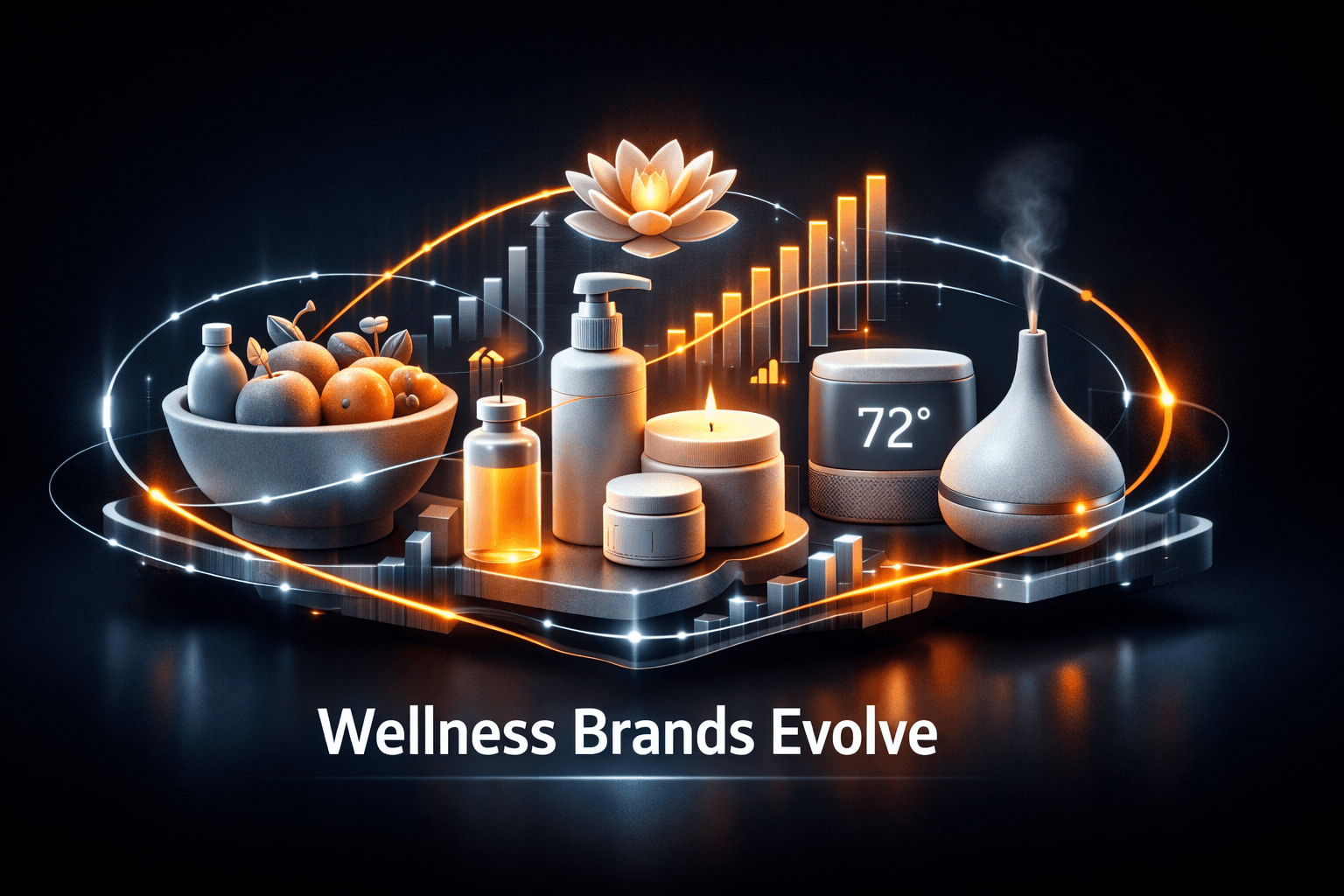
The biggest development is conceptual rather than transactional: wellness is expanding beyond supplements and fitness into food, beauty and home gadgets, and that shift matters to you as an investor. Modern Retail's recent podcast explores how categories are blurring, with brands leaning on wellness positioning to justify premium pricing, broaden distribution and build recurring demand.
This trend affects margins, marketing budgets and shelf placement across retailers large and small. If you follow consumer stocks, pay attention to how companies communicate efficacy, safety and convenience, and whether you see durable demand or short-lived hype.
Market Highlights
Markets were closed Sunday, Nov 1, and referenced prices are as of Friday, October 30. The story itself is editorial and not a corporate release, but it underscores sector themes that have been influencing investor interest.
- Modern Retail podcast: Episode examines how food, beauty and home gadgets are being framed as wellness products, driving cross-category brand strategies.
- Retail presence: Large omni-channel retailers such as Walmart (WMT) and Amazon.com (AMZN) are key distribution partners for wellness-labeled products, affecting reach and pricing power.
- Consumer brands: Beauty and lifestyle names like Lululemon Athletica (LULU) and Ulta Beauty (ULTA) are increasingly partnering with wellness brands or launching own-label wellness ranges to capture demand.
- Private label pressure: Retailer private labels and value offerings remain a risk for branded wellness makers as margin competition intensifies heading into the holiday season.
Key Developments
Wellness redefined across categories
Modern Retail's episode highlights that wellness is no longer confined to vitamins and gym wear. Food brands emphasize functional ingredients, beauty firms market health benefits, and smart home gadgets promise better sleep and air quality. For you, that means the wellness label is becoming a signal rather than a single product category.
That signal can help a brand command premium placement and higher margins, but it also raises scrutiny around substantiation. Analysts note regulators and consumers are asking tougher questions about claims, which could affect marketing spend and product development timelines.
Retail strategy and distribution implications
Retailers are responding by curating wellness assortments and testing experiential concepts in stores. For investors, this is a distribution story as much as a product story. If a chain secures exclusive wellness lines or creates a dedicated merchandising play, it can boost basket size and repeat purchases.
You should watch whether big retailers prioritize branded wellness items or push private-label alternatives. That choice will influence margin trajectories for incumbents and newer entrants alike.
Brand differentiation and margin dynamics
Brands are trying to break new ground with claims around personalization, science-backed formulations and tech-enabled devices. That can justify higher price points, but it also increases R&D and marketing costs. Data suggests the winners will be those that prove repeat usage and low return rates.
If a wellness product becomes habit-forming, it creates recurring revenue. If it feels like a fad, you'll see promotional pressure and margin erosion. Either way, differentiation is now central to how companies justify valuation multiples.
What to Watch
As you prepare for the trading week starting Monday, Nov 2, focus on catalysts that will reveal whether the wellness redefinition has durable commercial legs. Earnings and holiday guidance from major retailers will be particularly informative.
- Earnings season signals, especially from large retailers and consumer staples makers, which will show whether wellness SKUs are gaining traction in sales and gross margins.
- Holiday merchandising plans, product rollouts and exclusive partnerships that could drive share gains for specific brands.
- Regulatory or advertising enforcement actions related to wellness claims; any tightening could raise compliance costs.
- Consumer sentiment and spending data, which will show whether shoppers are treating wellness products as discretionary upgrades or must-have essentials.
Bottom Line
- Wellness is expanding into food, beauty and home gadgets, changing how brands position and price products.
- Distribution wins at large retailers can amplify a wellness brand's reach, but private-label competition could compress margins.
- Proof of efficacy and repeat purchase behavior will separate sustainable winners from short-lived trends.
- Watch upcoming retail earnings and holiday plans for early signs of whether wellness items are driving revenue and margin expansion.
- Stay selective, monitor claims-related risk, and focus on measurable consumer adoption rather than buzz.
FAQ Section
Q: What should I look for to know a wellness product has staying power? A: Look for evidence of repeat purchases, low return rates and placement in core retail assortments rather than one-off promotional displays.
Q: Are large retailers helping or hurting branded wellness companies? A: They can do both, by providing scale and marketing reach while also pushing private-label alternatives that pressure branded margins.
Q: How quickly will regulators respond to broader wellness claims? A: Regulators are paying more attention to substantiation, so expect incremental scrutiny over the next quarters as the category grows.