The Big Picture
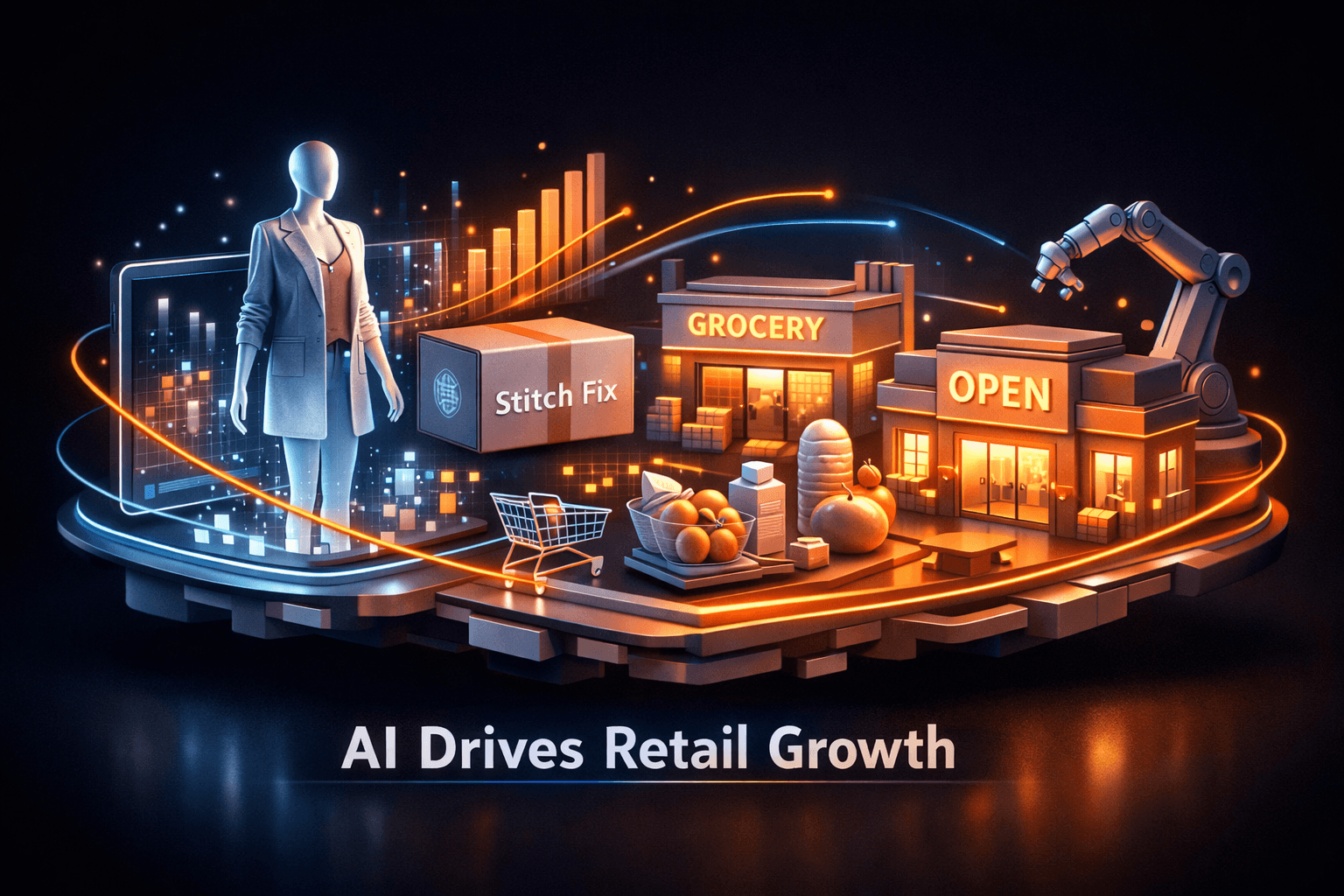
The consumer and retail sector is leaning into AI and physical expansion as it heads into the long weekend, with digital recommendation engines and in-store concepts both shaping near-term strategy. Stitch Fix reported fiscal 2026 revenue growth alongside rising use of its Vision AI tool, and multiple retailers are rolling out new formats or product lines that show demand is shifting but intact.
These developments matter because they suggest retailers are investing in technologies and networks that could lift revenue per customer and improve inventory turns, while localized asset sales and legal disputes signal pockets of restructuring you should watch. As of Friday, September 25, markets were closed for the weekend, but corporate news kept the sector busy.
Market Highlights
Key facts and figures to keep on your radar heading into Monday.
- Stitch Fix ($SFIX) reported fiscal 2026 net revenue of $1.35 billion, up 6.4% from $1.27 billion a year earlier, with management highlighting growing adoption of its Vision AI tool.
- Essendant has divested private-label janitorial brands Boardwalk, Gen, and Windsoft to ORS Nasco, reflecting a continued retreat from office products amid a related lawsuit from TD Synnex.
- Target ($TGT) is opening a Bridgehampton, NY store with an exterior that forgoes its signature red; the store speaks to place-based merchandising and local design choices.
- Off-price leader TJX ($TJX) says its distribution model, which lets it hold inventory, will help the chain weather El Niño related risks to seasonal demand.
- Costco ($COST) keeps an edge in grocery value perception versus Aldi in YouGov data, while Aldi is expanding with a new ready-made meals line this fall.
Key Developments
AI and the "AI shelf"
Modern Retail’s coverage of the "AI shelf" highlights how recommendation engines in ChatGPT, Gemini, and other platforms are becoming virtual shelf space. Brands are already strategizing to get surfaced in conversational search and recommendation outputs, which can change how product discovery and ad spend are allocated.
For you as an investor, that raises questions about who benefits from tighter AI integration. Companies that control customer data and have product assortment scale could see disproportionate payoffs, while smaller brands may need to invest in discoverability tools.
Stitch Fix jumps back to revenue growth
$SFIX returned to revenue growth in fiscal 2026, with net revenue of $1.35 billion, a 6.4% increase year over year. Management flagged the increased use of its Vision AI feature as a contributor to better customer engagement and higher spend per shopper.
The rise in AI adoption at Stitch Fix is a concrete example of the sector’s broader tech shift. If you follow personalization leaders, Stitch Fix’s progress is worth monitoring as it tests monetization of AI-driven styling.
Stores, formats, and supply-chain resilience
Several retailers are expanding physical footprints or product assortments. PCC Community Markets will open its 17th store in Seattle’s Madison Valley in mid-October, and Target is tailoring store design in the Hamptons. Aldi is launching its first ready-made meals line, adding convenience to its discount assortment.
Meanwhile $TJX says its distribution approach, which allows it to hold goods in warehouses instead of sending everything directly to stores, should help it navigate inventory swings from an El Niño weather event. That operational flexibility can translate to steadier margins in volatile demand periods.
What to Watch
Here are the catalysts and risks that could move sentiment next week and beyond.
- AI rollouts and adoption metrics, especially for $SFIX and other digital-first retailers. Will Vision AI drive sustained increases in customer spend?
- Legal and restructuring headlines around Essendant. The company’s divestitures and the TD Synnex lawsuit could affect its cash flow profile and strategic focus.
- Store openings and local experiments such as Target’s Bridgehampton location. Are these one-offs or a model for premium local merchandising?
- Grocery innovation and perception trends. Aldi’s ready-made meals and Costco’s value perception edge could shift market share in private brands and prepared foods.
- Macro and weather risks, including El Niño. Pay attention to inventory strategies and commentary from supply-chain sensitive retailers on costs and seasonality.
Which names are best positioned for AI-driven discovery, and how fast will that change category dynamics? Keep an eye on consumer engagement metrics you can track, like average order value and repeat purchase rates, to judge impact.
Bottom Line
- AI is moving from concept to commerce, creating a new type of shelf that rewards discoverability and data ownership.
- Stitch Fix’s revenue growth and Vision AI adoption provide a tangible example of AI translating into customer spend increases.
- Physical expansion and product innovation remain important, as shown by PCC, Aldi, and Target experiments in store format and ready-made meals.
- Operational resilience, like $TJX’s distribution model, can blunt weather and demand swings and protect margins.
- Some restructuring and legal noise, such as Essendant’s brand sales, create near-term headwinds for specific businesses but don’t overturn the broader trend toward tech-driven retail optimization.
Note, this summary is for informational purposes only. Analysts note these developments suggest momentum in tech-enabled retail, but you should consider your own objectives before making decisions.
FAQ Section
Q: How important is AI to retailers right now? A: AI is rapidly moving from experimentation to revenue-driving features, especially in personalization and product discovery, as companies like $SFIX have shown.
Q: Will store openings still matter as e-commerce grows? A: Yes. Physical stores are being used for local merchandising, convenience, and brand experience, and some retailers are testing tailored designs to match local markets.
Q: Should I worry about Essendant’s divestitures? A: The sales indicate strategic retrenchment and there is ongoing legal exposure. It’s a company-specific issue that investors should monitor alongside operational updates and legal filings.