The Big Picture
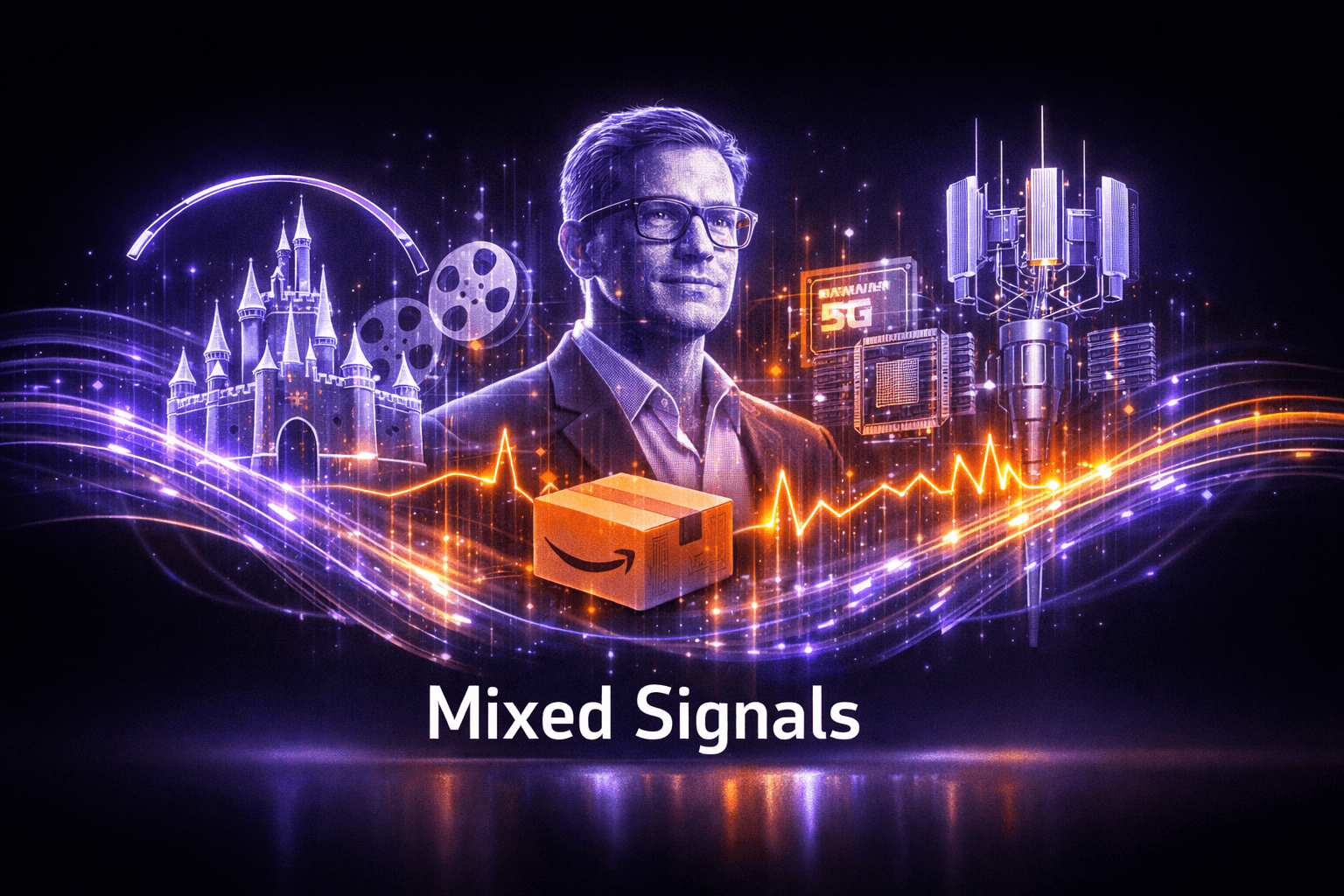
Streaming strategy and network technology are dominating today's Communications & Media headlines, as Disney+ poaches an Amazon MGM executive to run originals in Germany, Switzerland and Austria, and Nokia begins live tests of GPU-powered RAN. These moves show the sector is investing in both local content and AI-driven infrastructure at the same time, and that has implications for margins, capital spending and competitive positioning.
At the same time, cultural releases and high-profile controversies are keeping audience attention and reputational risk front of mind. You should watch how content production plans, tech costs and public backlash interact over the coming quarters.
Market Highlights
Key overnight and pre-market developments to note.
- Disney+ hires Philip Pratt from Amazon MGM Studios to oversee originals in Germany, Switzerland and Austria, a strategic move toward local-language growth for $DIS.
- Nokia is field-testing GPU-driven RAN solutions with multiple operators this quarter, pushing $NOK into AI-centric infrastructure debates.
- Content and theatrical updates include Andrea Štaka’s Brazil-Switzerland co-production "Ibicaba: O Paraíso Prometido," Quentin Tarantino’s West End play opening at Phoenix Theatre, and a new sumo documentary at the London Film Festival.
- Reputational items include Dan Levy publicly condemning a recent "SNL" monologue and the commencement of Russell Brand’s London trial on serious criminal charges, both of which could affect networks and talent relationships.
Key Developments
Disney+ bolsters local originals in German-speaking markets
Philip Pratt, currently head of original productions at Amazon MGM Studios, will join Disney+ early next year as a VP overseeing originals for Germany, Switzerland and Austria. He will report to EMEA content chief Angela Jain, underscoring Disney+'s emphasis on local-language content as a subscriber-growth lever in regional markets.
For you as an investor, this signals continued content spend by streaming platforms on localized programming, a recurring theme in the battle for international subscribers and licensing partnerships.
Nokia’s high-stakes GPU RAN tests create industry debate
Nokia has started live trials of GPU-accelerated radio access network technology with multiple operators this quarter. Vendors and operators are testing whether server-based GPUs can host AI functions and baseband processing more efficiently than traditional RAN hardware.
Experts remain divided on benefits and costs, so expect debate over capital intensity, power consumption and integration timelines. Can Nokia’s gamble pay off, and will operators move beyond lab proofs into large-scale rollouts? Those answers will shape capex outlooks in the telecom equipment space.
Content pipeline and reputational flashpoints
On the content side, international film and theatre news continues to add to the release calendar. Andrea Štaka’s co-production "Ibicaba: O Paraíso Prometido" announced international castings and multi-country production partners. Quentin Tarantino’s West End play confirmed a launch date at the Phoenix Theatre. A documentary on sumo is screening at the London Film Festival with critical coverage aimed at broadening audience appeal.
At the same time, Dan Levy publicly criticized a controversial "SNL" monologue, and the Russell Brand trial opened in London on serious charges that he denies. These incidents may prompt networks, advertisers and platforms to reassess talent and content policies, which could have short-term revenue and reputational effects.
What to Watch
Forward-looking catalysts and risk areas that could move stocks and strategy in the sector.
- Disney+ content timeline, including Pratt’s official start early next year and any announcement of DACH originals or commissioning budgets. Local originals are often a multi-quarter revenue and subscriber story.
- Nokia’s trial outcomes this quarter and operator decisions on scale. Watch for technical performance metrics, power and cost comparisons to existing RAN, and any operator deployment commitments.
- Carrier voice metrics and Ookla findings on 4G VoLTE versus 5G VoNR as operators tune networks. Data suggests 4G still leads for voice setup times, but 5G is catching up as deployments mature. That could affect carrier upgrade priorities.
- Reputational fallout from high-profile controversies. Pay attention to advertiser responses, platform statements and any scheduling or talent changes tied to the Dan Levy comments or the Russell Brand case. Who bears short-term revenue risk, and who faces longer-term brand damage?
- Festival and theatre schedules for film and stage openings, which can feed licensing windows, streaming deals and theatrical box office returns. You may want to track reported licensing agreements and distribution partners for new projects.
Bottom Line
- Disney+'s DACH hiring highlights sustained investment in local content, which can support subscriber growth but also raises content cost questions.
- Nokia’s GPU RAN tests put AI at the center of network evolution, yet operator caution and integration costs keep outcomes uncertain.
- Content creation and live theatre remain growth levers, but talent controversies add reputational risk for platforms and advertisers.
- Data on voice performance favors 4G today, but 5G optimization trends should be monitored for carrier capex and service priorities.
- Overall this is a day of mixed signals, so a selective, watchful approach is advised while you track execution and emerging data.
FAQ
Q: Will Disney+ hiring Philip Pratt change its subscriber trajectory? A: New executive hires signal strategic focus on local originals, but subscriber impact typically unfolds over multiple quarters once content is commissioned and released.
Q: Is Nokia’s GPU RAN likely to replace traditional RAN quickly? A: Trials are an important step, but analysts note integration, power usage and cost concerns mean broad replacement would take time and depend on operator decisions.
Q: How much do talent controversies affect platform revenue? A: Short-term advertiser pauses and PR costs can hit revenue, while long-term impact depends on platform responses, contractual protections and audience tolerance.