The Big Picture
Content creation and the platforms that distribute it moved from headlines into action today, with Google-owned YouTube greenlighting a scripted series and studios projecting robust box office returns for a franchise reboot. Those creative wins came alongside network-level moves in distribution and infrastructure that make content easier to produce, deliver, and monetize.
Why does this matter for you as an investor? Because fresh, platform-backed content and expanded delivery options help sustain audience growth and revenue diversification across streaming, advertising, theatrical windows, and telecom bundles.
Market Highlights
Here are the quick takeaways and hard numbers from today's top stories.
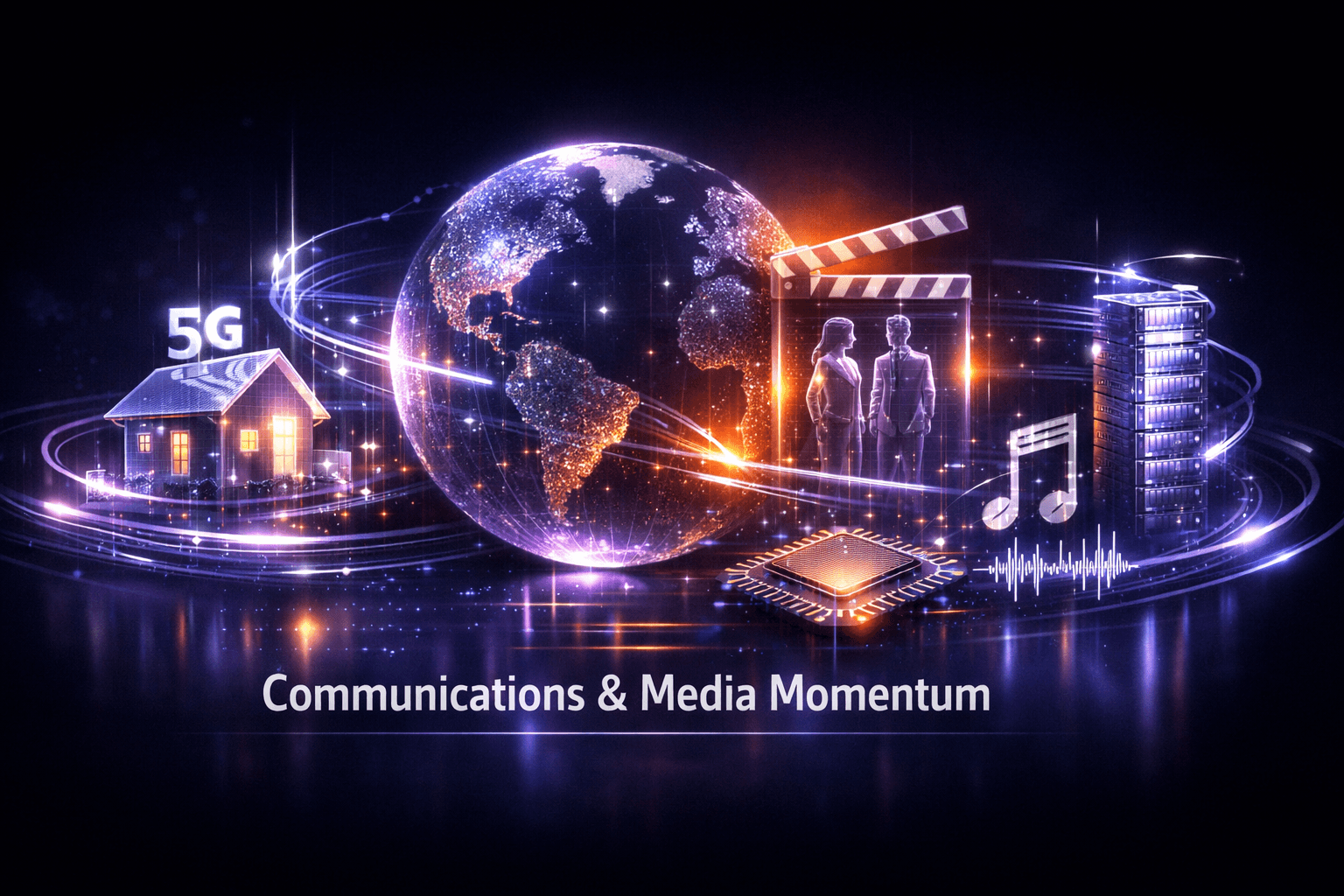
- YouTube is backing a seven-episode dark comedy from viral creator Julie Nolke, with production set to start soon. This reflects continued platform investment in creator-to-scripted pipelines, and underscores $GOOGL's push into original short-form partnerships.
- Sony's new "Resident Evil" reboot is targeting a domestic opening in the $40 million to $50 million range, centered on a $45 million forecast from early trackers, which would rank as a franchise best for opening weekend amid positive reviews.
- AT&T subsidiary Cricket launched 5G home internet at $45 per month standalone or $75 per month bundled with mobile, signaling more aggressive fixed wireless pricing from $T's consumer brands.
- Industry data shows more than a third of artists who earned at least $10,000 in Spotify royalties in 2025 were DIY, highlighting independent distribution growth for music creators and related services.
- CoreWeave deployed a multi-rack NVIDIA Vera Rubin NVL72 cluster to expand AI compute for media customers, a clear infrastructure step tied to $NVDA hardware and growing demand for training and inference capacity.
Key Developments
YouTube and Creator-Funded Scripted TV
Julie Nolke's new dark comedy series Becky and Miranda will be produced with backing from the Google-owned platform, and a treatment exists for all seven episodes. This is another example of platforms turning successful creators into serialized content producers, reducing gatekeeper risk for talent and shortening time from ideation to production.
For you, that means platforms are still willing to finance original IP when creators prove an audience, which could lift advertising dollars and subscription retention metrics for platform owners like $GOOGL.
Box Office Strength for Franchise Reboots
Sony's horror-comedy reboot of Resident Evil is aiming for a $40 million to $50 million domestic debut. Positive reviews and early word-of-mouth suggest the film could outperform typical early-fall releases and extend franchise value across streaming and ancillary windows.
Studios that can convert theatrical momentum into paid streaming windows or premium VOD will keep tapping theatrical receipts as a meaningful revenue line. That dynamic helps explain why theatrical-first titles still matter to distributors and platform partners alike.
Distribution and Infrastructure: From Music to AI and 5G
Variety's deep dive on music distribution notes a structural shift: DIY artists are taking a larger share of earnings, with more than 33% of artists who made at least $10,000 in Spotify royalties self-releasing in 2025. That trend favors distribution platforms and services that offer better economics and rights control.
On the infrastructure side, CoreWeave's multi-rack NVL72 cluster deployment and Cricket's 5G home internet launch illustrate the two-pronged investment story: compute capacity for media creation and faster last-mile delivery for consumption. Those moves help close the loop from production to audience.
What to Watch
Expect a few near-term catalysts and watchable risks that will influence sector sentiment over the coming weeks.
- Release and tracking for Resident Evil over opening weekend. Will box office momentum translate into early streaming deals or premium VOD windows? Strong theatrical receipts may signal pricing power for future franchise releases.
- Production updates and early viewership metrics for YouTube-backed originals. How quickly will platforms report performance for creator-to-scripted shows, and will advertisers follow?
- Adoption and churn impact from Cricket's 5G home internet pricing. Monitor subscriber response to $45 standalone or $75 bundled offers and whether larger telcos adjust pricing or bundles in response.
- CoreWeave and NVIDIA capacity announcements, and any reported customer wins tied to media AI workflows. More large-scale clusters typically point to higher demand for AI-driven content tools and faster post-production cycles.
- Longer-term pay-TV trajectory. MoffettNathanson's 50 million-plus subs floor by 2030 suggests stabilization after steep declines. How incumbents adapt bundled offerings and ad tiers will matter for legacy media revenue profiles.
Bottom Line
- Platform-backed original content and franchise theatrical strength are driving near-term upside for content monetization and ad dollars.
- Infrastructure investments in AI compute and 5G delivery are enabling faster production and broader distribution, which supports content volume and experimentation.
- Independent music distribution growth reduces gatekeeping and expands addressable markets for distribution platforms and services.
- Pay-TV faces ongoing structural pressure, but forecasts for a 50 million-plus subs floor suggest a future of smaller scale but steady cash flow for some incumbents.
- Overall, today's developments point to momentum in content and delivery, but you'll want to watch box office, subscriber responses, and AI capacity demand for confirmation.
FAQ Section
Q: How will a YouTube-backed series affect platform advertising and subscriptions? A: Platform-backed scripted projects give YouTube more premium inventory to sell to advertisers and can boost viewer engagement, which helps both ad rates and any subscription experiments.
Q: Does a strong opening for Resident Evil change studio strategies? A: A high-performing theatrical launch increases leverage for studios to negotiate streaming windows, PVOD pricing, and international rollouts, which can raise total lifetime revenue for the property.
Q: Why does CoreWeave's NVL72 deployment matter for media companies? A: Large-scale AI clusters reduce turnaround for tasks like rendering, effects, and automated editing, enabling media firms to experiment more and lower per-project processing time and cost.