The Big Picture
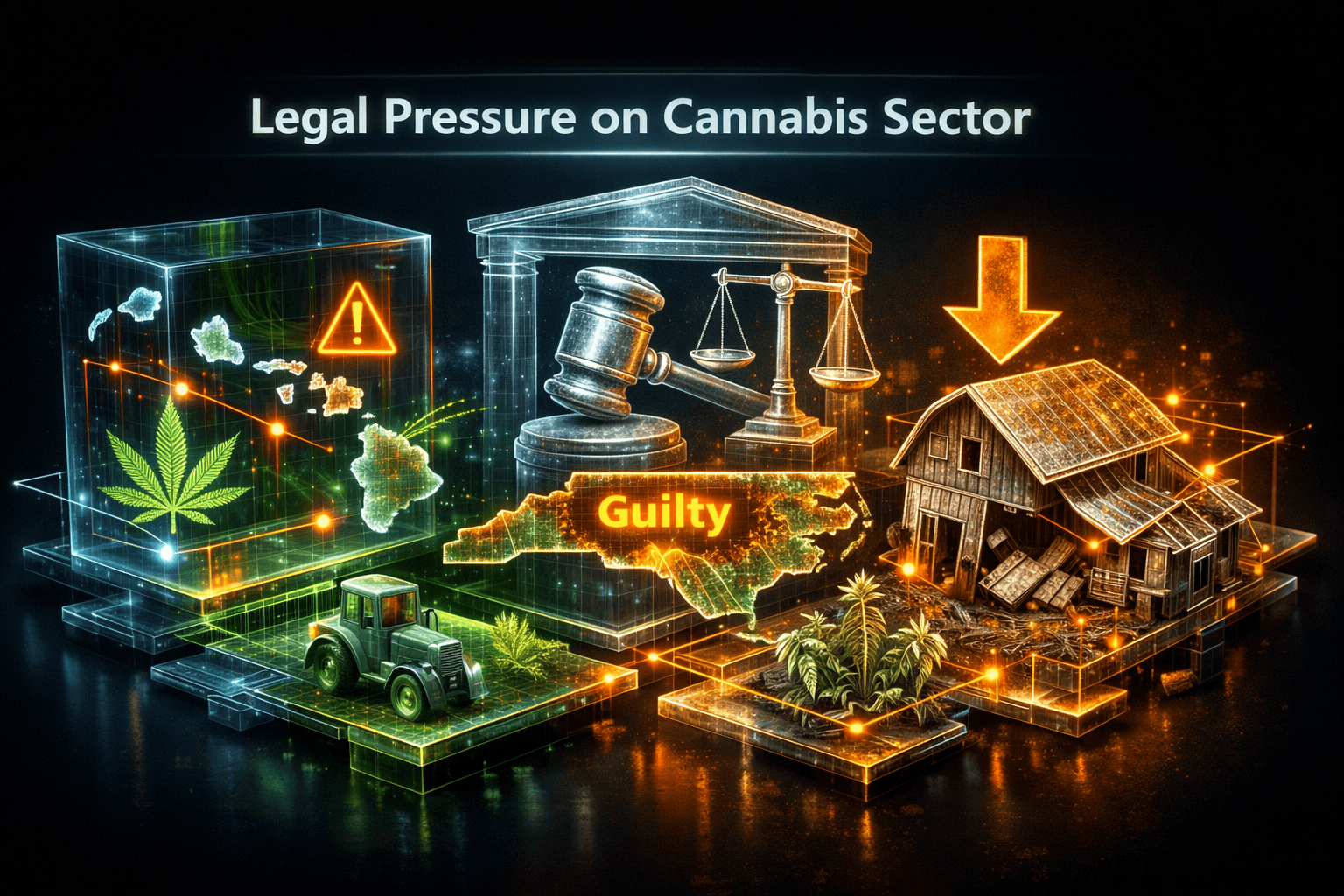
Overnight headlines for the cannabis sector leaned toward policy and legal risk rather than growth stories. Hawaii officials defended a hemp crackdown, North Carolina’s high court ruled that odor can justify searches, and a fifth-generation Vermont farm detailed how oversupply and regulatory shifts wiped out its business.
These developments matter because they point to mounting compliance costs, uneven enforcement across states, and continued pressure on commodity prices for hemp and low-margin cultivators. If you track cannabis exposure, expect selective volatility and headline-driven moves today.
Market Highlights
Quick facts and context to scan this morning
- Hawaii defends aggressive enforcement targeting hemp-derived products, according to Marijuana Moment reporting on Aug 16.
- North Carolina’s Supreme Court ruled that the odor of cannabis can contribute to probable cause for searches, reported Aug 15.
- High Times published an account of a Vermont farm closing after debt, oversaturation, and regulatory pressures on Aug 15.
- Consumer lifestyle coverage, including a High Times feature on modern cannabis etiquette and low-dose options, suggests demand is shifting toward convenience and milder formats.
- Names to watch for sector exposure: $MSOS, $TCNNF, $GTBIF, $CURLF, $TLRY are key ETFs and stocks investors track for broader moves and flows.
Key Developments
Hawaii’s Hemp Crackdown and Industry Pushback
Hawaii officials defended restrictions on hemp-derived products as part of a response to an industry lawsuit. Regulators say some hemp goods haven’t met the testing standards required for medical marijuana, creating a compliance gap that’s provoked legal action from sellers and trade groups.
For investors, the implication is clear: state-level enforcement can narrow product distributions and raise costs for companies that sell hemp-derived edibles and pre-rolls. If you hold firms with large hemp or CBD product lines, watch for further regulatory filings and litigation updates.
North Carolina Ruling Raises Law Enforcement Risk
The North Carolina Supreme Court affirmed that the odor of cannabis can be used as part of probable cause for searches. The unanimous decision ties enforcement powers to subjective odor detection and broadens circumstances under which police can intervene.
This increases legal uncertainty in states with mixed legalization frameworks. Increased policing can affect retail traffic for dispensaries in border areas and could prompt insurers or retailers to adjust operations. What does this mean for regulatory risk in other states? Expect similar cases to influence investor sentiment.
Farm-Level Fallout: Vermont Case Highlights Oversupply
A fifth-generation Vermont farmer recounted how hemp market collapse, debt burdens, COVID impacts, and cannabis oversaturation led to losing the family farm. The story underlines real economy stress from price declines and fragmented market rollout across states.
Supply-side distress often filters up to producers and can force consolidation. That’s not a bed of roses for small cultivators, and it may accelerate M&A among larger operators that can manage inventory and compliance more efficiently.
What to Watch
Focus on near-term catalysts and risks that could move names you follow.
- Regulatory actions and court filings in Hawaii, North Carolina, and other states. Legal outcomes could alter market access for hemp-derived products and affect revenues.
- State-by-state enforcement trends. If more states adopt stricter lab testing or crackdowns, companies with large hemp or multi-state operations will see margin pressure.
- Supply metrics and wholesale pricing, especially for hemp biomass and low-dose products. Continued oversupply will keep pressure on cultivator economics.
- Consumer shifts toward low-dose, inhalation-free formats. The High Times piece on etiquette highlights brands like Levia that tap demand for milder social options. How should you weigh legal risk versus changing consumption habits?
- Key tickers to monitor for flow and sentiment: $MSOS, $TCNNF, $GTBIF, $CURLF, $TLRY. Watch volume, fund flows, and any company-specific regulatory disclosures.
Bottom Line
- Regulatory and legal developments are the dominant themes this morning, creating downside risk for exposed operators and suppliers.
- Enforcement actions and court rulings can reduce product availability and raise compliance costs, particularly for hemp-derived goods.
- Supply gluts at the farm level continue to pressure prices and margins, pushing weaker operators toward distress or consolidation.
- Consumer demand is shifting toward low-dose and social formats, which could benefit companies that pivot to compliant, convenience-focused products.
- Keep a selective approach and monitor state legal actions, wholesale price data, and disclosures from major ETFs and multi-state operators for clues on momentum.
FAQ Section
Q: How could the Hawaii hemp crackdown affect national cannabis companies? A: Companies with hemp-derived product lines may face restricted market access and higher testing costs if other states adopt similar rules, which could compress margins.
Q: Will the North Carolina ruling increase federal legal risk for cannabis businesses? A: The ruling affects state-level enforcement and may encourage similar cases, creating more variability in local operations but it does not change federal law.
Q: What signs should you watch to gauge a turnaround in the sector? A: Look for stabilizing wholesale prices, clearer state regulatory frameworks, declining litigation trends, and stronger consumer demand for differentiated products.