The Big Picture
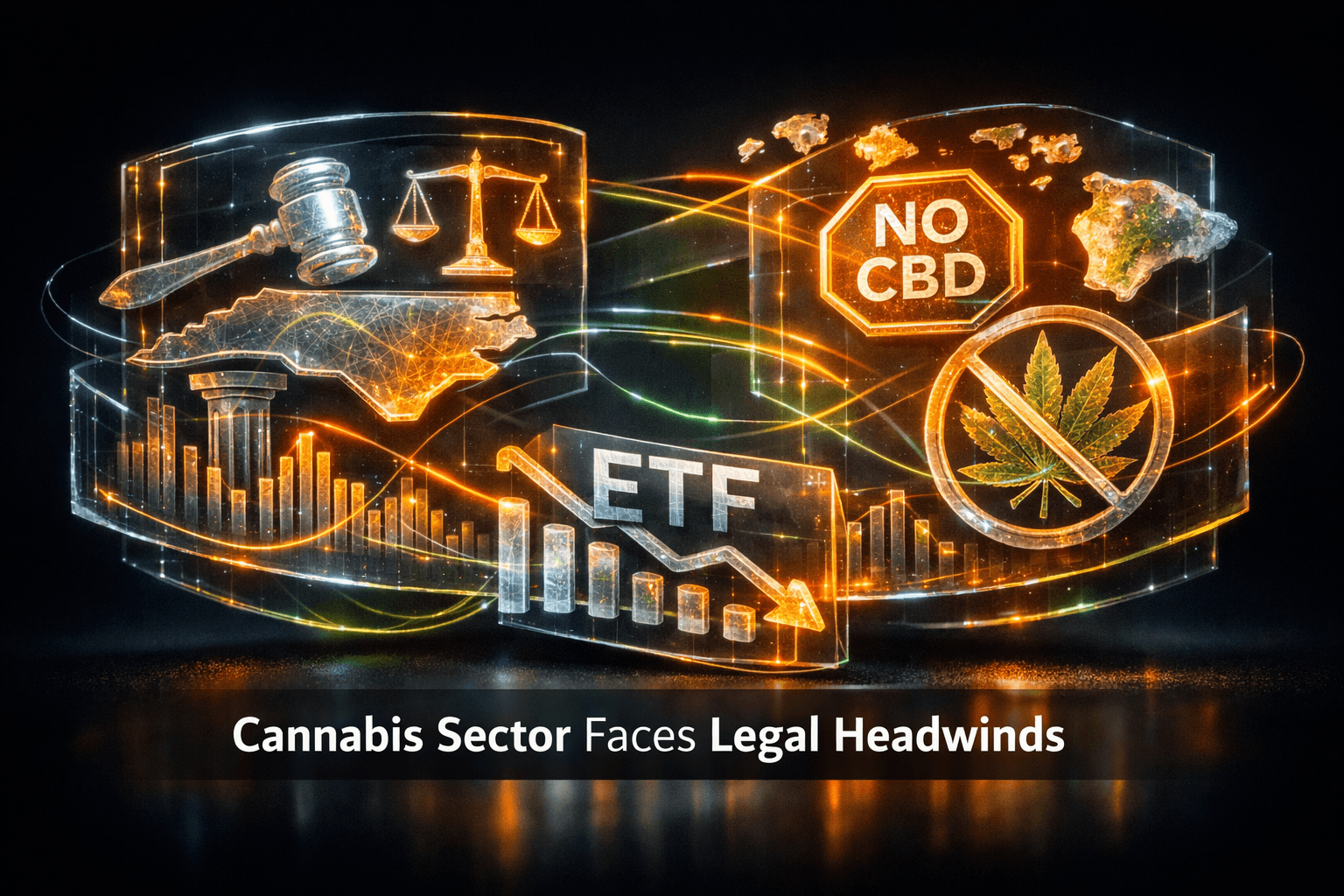
Legal and regulatory pressure was the dominant theme in cannabis coverage on Aug 15-16, and those developments matter for investors heading into the week. A North Carolina Supreme Court ruling allowing searches based on the smell of cannabis and a state-level hemp enforcement fight in Hawaii signal tougher enforcement risk for operators.
At the same time, human stories like the collapse of a fifth-generation Vermont farm underscore financial stress in cultivation and hemp markets. Culture pieces on etiquette show consumer normalization continues, but they don’t offset the immediate legal headwinds investors need to monitor. US equity markets were closed Sunday, Aug 16, with the last trading day on Friday, Aug 14, so expect market reactions when trading reopens Monday, Aug 17.
Market Highlights
No US trading took place Sunday, Aug 16, with markets closed for the weekend. Below are the sector items and tickers you should have on your radar as you review positions and news before Monday.
- $MSOS, the broad cannabis ETF, is a common barometer for the space and will likely reflect investor reaction to regulatory headlines when markets reopen on Aug 17.
- $TCNNF, a major multistate operator name in the sector, remains sensitive to state-level enforcement dynamics like Hawaii’s hemp actions.
- $GTBIF and $CURLF are tracked by many retail investors for U.S. and Canadian exposure, respectively, and may see volatility in response to court decisions and supply news.
- $TLRY, a high-profile licensed cannabis company, often moves on news about cultivation economics and litigation trends that affect margins and access to markets.
Key Developments
North Carolina Supreme Court Affirms Searches Based on Odor
The North Carolina Supreme Court issued a unanimous decision in State v. Schiene, ruling that the odor of cannabis can contribute to probable cause for searches. The court emphasized totality of the circumstances in upholding a conviction. This is a legal setback for advocates pushing limits on searches tied to cannabis odor, and it introduces compliance and criminal exposure concerns for consumers and state-licensed operators in North Carolina and potentially similar jurisdictions.
What does this mean for you as an investor? Expect increased litigation risk and possible enforcement costs for businesses operating in states with similar legal frameworks. Companies with retail footprints in the state may face reputational and operational fallout.
Hawaii Officials Defend Hemp Crackdown Against Industry Lawsuit
Hawaii state officials told a court that hemp products have not undergone the rigorous testing that medical marijuana requires, defending a recent crackdown. The dispute centers on pre-rolled hemp cigarettes and hemp edibles being restricted by regulators and targeted in industry litigation. Regulators argue testing gaps justify tighter oversight.
For investors, this signals continued fragmentation between hemp and regulated cannabis markets. Hemp-focused businesses and brands that rely on less-regulated product channels could see tighter restrictions and compliance costs, especially in tourist-heavy markets such as Oahu.
Vermont Farm Closure Highlights Oversupply and Financial Strain
A fifth-generation Vermont farmer described losing the family farm to a mix of hemp market collapse, rising debt, effects of COVID, and local cannabis oversaturation. The report is an illustration of how price pressure and regulatory shifts at the state level can translate into real solvency risk for cultivators.
Data suggests parts of the cultivation sector are still adjusting to supply gluts and lower per-unit prices. That’s a canary in the coal mine for investors watching gross margin compression in cultivation-heavy companies.
Culture Piece Shows Normalization, But Not Market Immunity
High Times ran a lifestyle piece on modern weed etiquette, pointing to product innovation and lower-impact dosing options that widen consumer choice. Normalization continues to build demand, but cultural acceptance alone won’t insulate the sector from legal and economic shocks.
If you follow retail trends, think of this story as a reminder that new formats may support consumer growth while regulation and supply determine who captures margin.
What to Watch
Monitor policy and legal calendars, because regulatory outcomes will likely drive near-term volatility. You should track pending litigation, state regulatory notices, and any legislative moves in high-tourism states like Hawaii that could create precedent.
- Next trading day: US markets reopen Monday, Aug 17. Expect headlines about the North Carolina ruling and Hawaii enforcement to influence early session volatility.
- Legal filings: Watch for follow-up court dates or motions in the Hawaii hemp lawsuit and any appeals related to the North Carolina decision.
- Industry metrics: Keep an eye on harvest reports and wholesale price data that could confirm oversupply trends similar to Vermont’s experience.
- Sector tickers to watch: $MSOS, $TCNNF, $GTBIF, $CURLF, $TLRY. These names are frequently used as proxies for investor sentiment and may lead intraday moves when trading resumes.
- Risk factors: state-level enforcement, shifting testing requirements, litigation costs, and margin pressure from oversupply.
Want to reduce exposure to headline risk, or do you prefer to add on weakness? Whatever your approach, be clear about your time horizon and risk tolerance before acting.
Bottom Line
- Regulatory and legal developments in North Carolina and Hawaii create near-term headwinds for operators and hemp brands.
- Financial pressure at the grower level, highlighted by a Vermont farm closure, increases the chance of consolidation and margin stress.
- Cultural normalization continues to expand consumer options, but it won’t eliminate enforcement and supply risks.
- Track legal progress and state policy changes closely, and watch $MSOS, $TCNNF, $GTBIF, $CURLF, and $TLRY for market responses when trading resumes on Aug 17.
- Analysts note that litigation and regulatory clarity will likely be the main catalysts for sector re-rating in the near term.
FAQ Section
Q: How will the North Carolina ruling affect cannabis businesses in other states? A: The decision reinforces a legal precedent for searches based on odor, which could increase enforcement risk in states with similar statutes, though effects will vary by jurisdiction.
Q: Will Hawaii’s hemp crackdown harm national hemp markets? A: Hawaii’s actions could encourage other states to tighten testing and sales rules, especially for tourist-facing markets, but broad national impact depends on individual state regulators.
Q: What should I watch first as markets reopen Monday? A: Look for legal filings, state regulatory updates, and headline-driven volume in sector ETFs and names such as $MSOS and $TLRY, because these will show how investors price the new enforcement risk.