The Big Picture
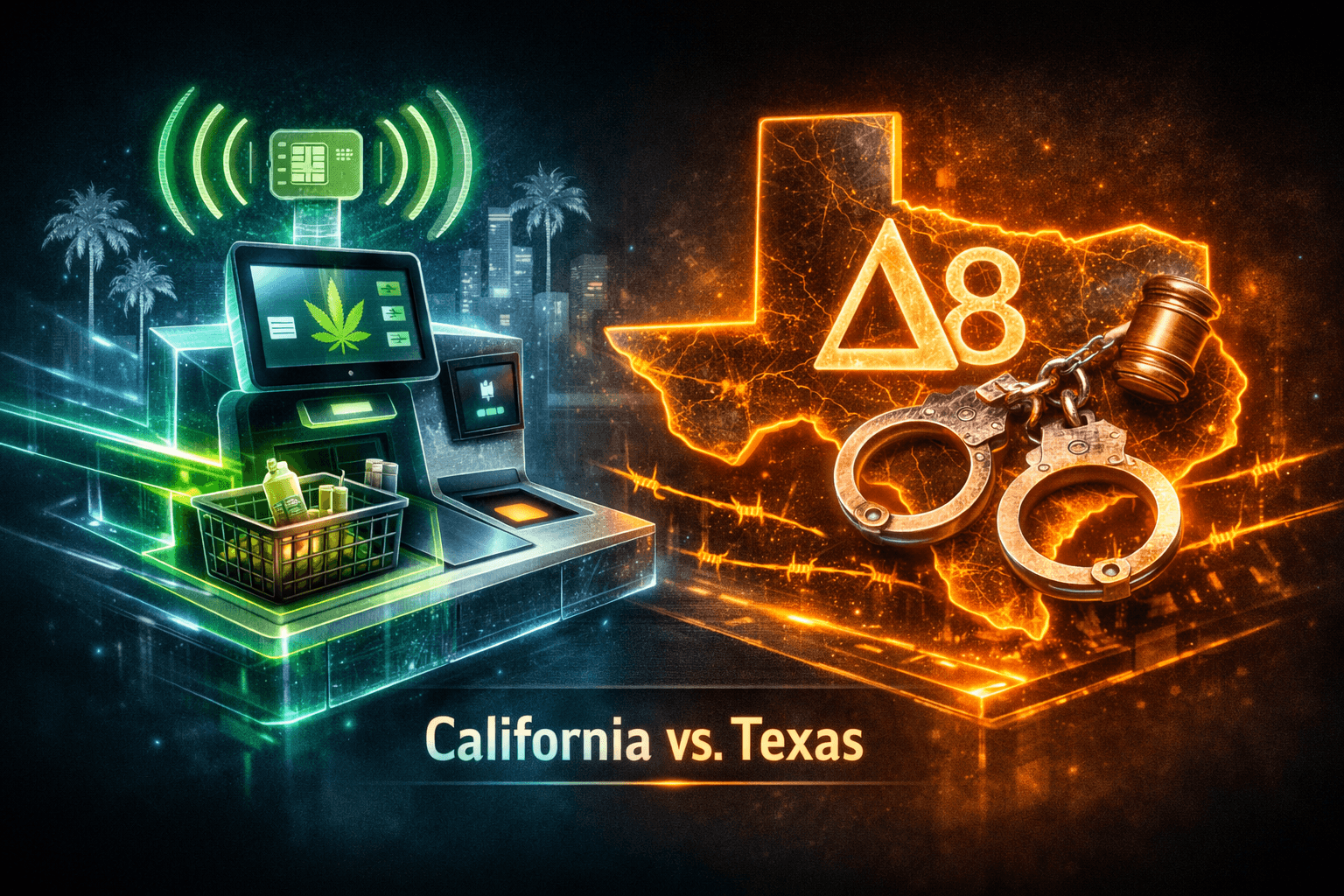
Today’s cannabis headlines delivered a split tape for the sector, with state regulators approving retail automation in California even as Texas moved to tighten enforcement on hemp-derived products. For you as an investor, that contrast underscores the patchwork nature of U.S. cannabis policy and why state news still drives short-term moves.
Automation and clearer regulation in some states create operational upside, while renewed bans and criminal enforcement introduce immediate legal and revenue risks for manufacturers and retailers. How companies adapt will matter for near-term results and for the ETFs and stocks you track.
Market Highlights
Trading was mixed as investors parsed regulatory headlines and research developments. Sector-specific ETFs and a set of high-profile names were in focus today.
- $MSOS, the broad cannabis ETF many retail investors follow, traded mixed as state policy headlines dominated flows.
- $TCNNF and $GTBIF drew attention from investors monitoring U.S. and Canadian operator exposure to state-level retail trends and regulation.
- $CURLF and $TLRY were on watch lists for traders after news that touches retail and regulatory risks; moves were modest in the absence of company-specific earnings.
- California approval of RFID self-checkout at a licensed retailer signaled a potential efficiency and compliance catalyst for retail operators.
- Texas reinstated a statewide ban on delta-8 THC products set to take effect Friday, prompting local enforcement moves in Austin that could include felony charges.
Key Developments
California approves RFID self-checkout at licensed retailer
California regulators cleared an RFID-based self-checkout system at Perfect Union Northside in Sacramento, marking a milestone for retail automation in a tightly regulated market. That approval suggests retailers may be able to reduce labor costs and speed transactions while maintaining seed-to-sale tracking, which could help margins if adoption spreads.
For operators and vendors of retail tech, this may open new sales channels. For you, it means watching adoption rates and any guidance from state regulators about wider rollouts.
Texas reinstates delta-8 ban, Austin to treat possession as felony
A judge reinstated a Texas ban on delta-8 THC and related synthetic hemp-derived products, with the ban taking effect Friday. Austin police announced they will treat possession under the state ban as a state jail felony, increasing legal exposure for consumers and sellers alike.
This is an immediate headwind for companies and stores selling hemp THC products in Texas, and it highlights how quickly market access can be curtailed. If you have exposure to producers or retailers that relied on delta-8 revenue, this is a risk you need to monitor closely.
State regulation and research: Delaware, Utah, Mississippi
Delaware’s governor signed a bill to regulate and tax hemp THC beverages, creating new compliance and tax frameworks that should reduce uncertainty for product makers in that segment. Clear rules can be a boon, because certainty lets companies plan production and distribution.
Utah opened applications for a second independent medical cannabis pharmacy beginning Aug. 3, a formal expansion that will affect supply in the state. Meanwhile, the University of Mississippi began a CBD sleep study with Southern Sky Brands, adding clinical data to a market hungry for evidence-based claims.
What to Watch
Look for state-level enforcement and regulatory timelines that could change retail economics rapidly. You should track deadlines and local agency notices over the next week, because Texas enforcement and the Utah application window are immediate catalysts.
- Texas ban effective Friday: watch local enforcement statements, legal appeals, and any corporate notices from retailers or distributors operating in Texas.
- Utah application window opens Aug. 3 through Sept. 2 for a second medical cannabis pharmacy, a concrete near-term licensing event that could affect state supply and pricing.
- Delaware’s new hemp THC beverage rules, now law, will be worth monitoring for implementation guidance, excise tax details, and retailer requirements.
- Research developments: follow updates from the University of Mississippi CBD sleep study for potential marketing and label claim impacts.
- Watch the major sector tickers you follow, including $MSOS, $TCNNF, $GTBIF, $CURLF, and $TLRY, for trading flows tied to these state policy swings.
- Political rhetoric and federal commentary, such as recent statements from a former U.S. attorney general questioning medical value, could influence federal rescheduling debate and public perception.
What should you expect next? Expect more state-level variation, and expect volatility around enforcement news and licensing windows. Which states will lead with pragmatic regulation and which will tighten enforcement? Time will tell, and you should be ready for both outcomes.
Bottom Line
- State policy continues to drive short-term risk and opportunity in cannabis, with California and Delaware offering regulatory clarity while Texas tightens restrictions.
- Retail automation approvals in California could lower operating costs if adoption accelerates, but widespread benefits will take time to materialize.
- Immediate legal risk is rising in Texas where delta-8 is banned again and local police are pursuing felony enforcement, a headwind for hemp THC producers and sellers.
- Clinical research and new licensing windows in Utah and Mississippi add constructive long-term signals, especially for companies focused on medical and evidence-backed products.
- Stay selective, watch the state-level calendar, and follow flows into key ETFs and names to gauge how the market is pricing these developments, because clarity is rarely as clear as day across all jurisdictions.
FAQ Section
Q: How will the Texas delta-8 ban affect national hemp companies? A: Companies with material sales in Texas will likely see near-term revenue pressure and may need to shift inventory or markets; legal appeals could change the timeline.
Q: Does California’s self-checkout approval mean all retailers can automate now? A: No, the approval applies to a specific RFID system at a licensed store; broader adoption will depend on additional approvals and guidance across jurisdictions.
Q: Should research like the University of Mississippi’s CBD sleep study change how you value CBD businesses? A: Clinical evidence can improve product credibility and marketability, but you should weigh study results, timeline, and commercial scalability before drawing conclusions.