
 Alpha Breaking
Trump, Nato Chief Caution Russia - Nov 26
Share this article
Spread the word on social media
The Big Picture
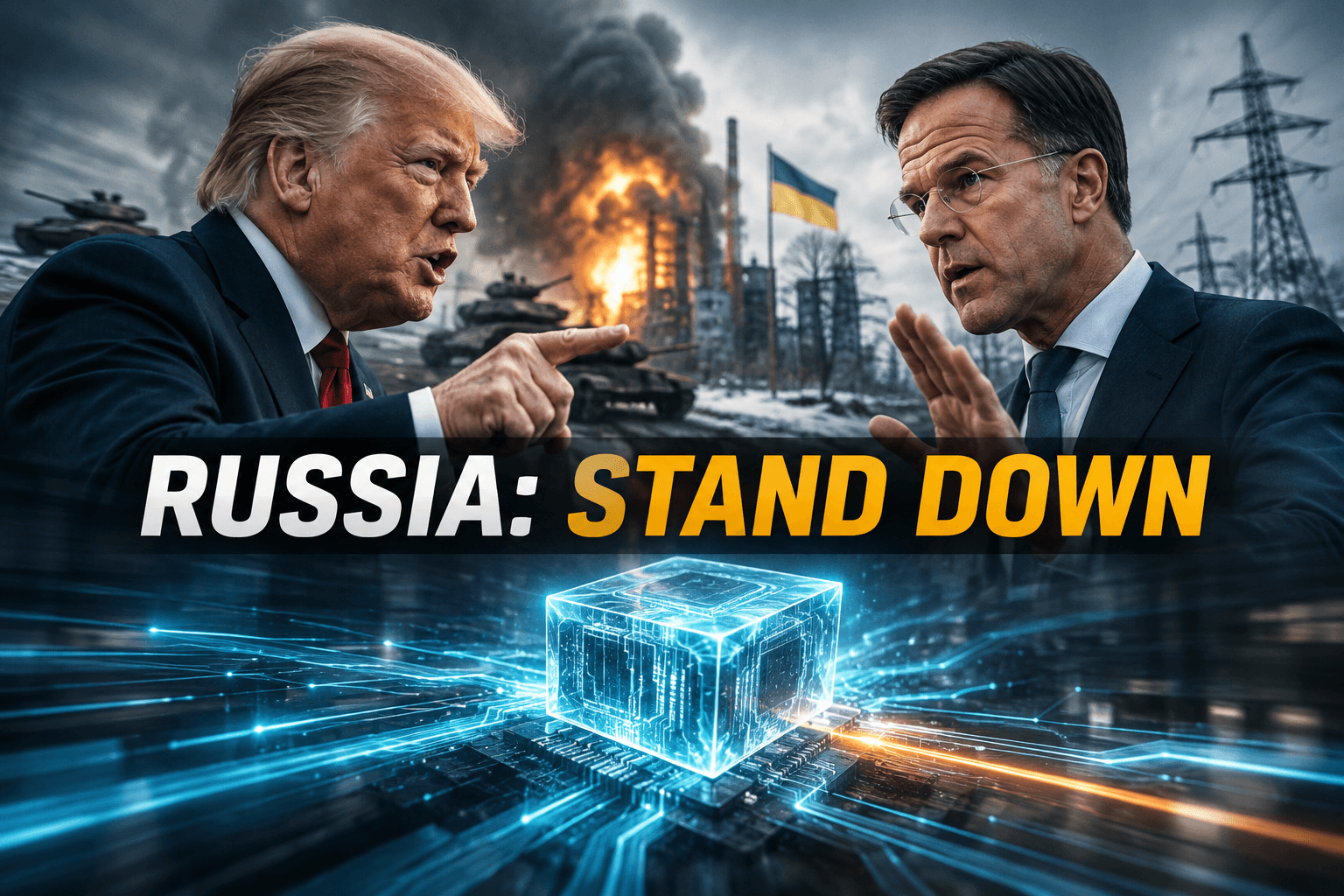
Russia’s repeated targeting of Ukraine’s electricity and heating infrastructure is raising the risk of winter power shortages, while Trump and NATO Secretary-General Mark Rutte are publicly warning Moscow against further escalation. For investors, the central implication is heightened geopolitical and energy-market uncertainty, not a confirmed shift in NATO’s military posture.
The statements call for a rapid peaceful resolution and warn against actions that could expand the war. They do not, on the information available, establish new security commitments or a change in policy. US stock markets are closed for Thanksgiving on Thursday, November 26, so there is no US equity trading reaction to assess today. No company or ticker is identified as directly tied to this news.
What's Happening
The reported developments combine diplomatic warnings with an ongoing risk to essential services in Ukraine. Attacks on electricity and heating infrastructure can threaten power availability during winter, with consequences for households and the broader recovery effort. The source information does not provide an attack count, damage estimate, power-shortage forecast, or financial cost, so those measures cannot be quantified here.
- Trump and Mark Rutte have publicly cautioned Russia against further escalation.
- Their stated aim includes avoiding actions that could expand the war and reaching a rapid peaceful resolution.
- Russia has repeatedly targeted electricity and heating infrastructure in Ukraine.
- Potential winter effects include power shortages and disruption, though no duration or scale is specified.
- No new NATO military commitment, policy change, or company-specific financial data is identified in the available information.
Those points matter because diplomatic warnings can signal concern and put pressure on Russia, but words alone don’t confirm what governments will do next. Investors should distinguish between a public statement and a concrete change in military assistance, security commitments, sanctions, or coordination with Ukraine.
There are also limits to the available financial evidence. No energy-price move, company revenue figure, earnings estimate, valuation measure, or analyst forecast is provided. That means this update supports a risk assessment, but not a numerical valuation comparison or a conclusion about the likely effect on a particular stock.
Why It Matters For Your Portfolio
Investors with exposure to energy markets, companies operating in the region, or assets sensitive to geopolitical risk may want to watch for developments that change the situation. But the reported warnings alone don’t identify a specific publicly traded beneficiary or indicate that energy prices have moved. Without price data or company exposure details, assigning an expected gain or loss to an individual security would go beyond the available facts.
Growth, value, and income investors face the same immediate information gap: there is no directly relevant ticker, company guidance, or analyst rating in this report. The practical distinction is between monitoring the broader risk and making a security-level judgment. On Thursday, November 26, US equity markets are closed; the last US trading session was Wednesday, November 25. Any assessment of a market response should use verified trading data when the market next opens, rather than assume the diplomatic statements produced a particular move.
Risks To Consider
Further attacks could deepen Ukraine’s energy crisis, increase disruption during winter, and raise humanitarian and reconstruction costs. The available information does not quantify the damage or costs.
Escalation or miscalculation could increase geopolitical risk, disrupt energy markets, and prompt new sanctions or changes in military support. None of those possible responses is confirmed by the warnings themselves.
Diplomatic pressure may not lead to a rapid settlement. If attacks continue or intensify, the difference between calls for peace and developments on the ground could become more consequential for risk-sensitive assets.
The bear case is that further infrastructure attacks and a broader escalation compound uncertainty without producing a near-term diplomatic breakthrough. That could amplify concerns around energy supply and reconstruction while leaving investors with little company-level information to determine which securities are most exposed. This is a scenario to monitor, not an outcome established by the report.
What To Watch Next
The next meaningful signals are concrete policy actions and changes in the attacks themselves. The available source does not identify a scheduled meeting, decision date, price level, or upcoming data release, so no specific timing should be assumed.
Whether NATO changes military assistance, security commitments, or coordination with Ukraine.
Whether sanctions change, and whether ceasefire negotiations show a concrete development.
The frequency and scale of attacks on electricity and heating infrastructure, along with evidence of resulting disruption.
Verified energy-market and equity-market data when trading resumes, rather than assumed price effects during the US market holiday.
For investors, those developments could matter more than the warnings in isolation. Until there is specific information on policy, energy-market effects, or company exposure, the story is best treated as a geopolitical risk to track rather than a standalone valuation signal.
The Bottom Line
Trump and NATO chief Mark Rutte have cautioned Russia against escalation and called for a peaceful resolution.
The warnings signal diplomatic pressure but do not confirm new NATO commitments or a policy shift.
Repeated attacks on Ukraine’s energy infrastructure pose winter risks, but no damage totals, energy prices, or market impact figures are provided.
No directly relevant public company or ticker is identified, so this report does not support a security-specific buy, sell, or hold conclusion.
Monitor concrete changes in NATO support, sanctions, negotiations, and infrastructure attacks before drawing a stronger investment conclusion.
FAQ
Q: What did Trump and NATO chief Mark Rutte say about Russia?
A: They publicly warned Moscow against further escalation and called for actions that avoid expanding the war and support a rapid peaceful resolution.
Q: Do the warnings mean NATO has changed its military commitments?
A: Not based on the information provided. The statements signal diplomatic pressure but do not establish a change in NATO policy or military commitments.
Q: Which stocks are directly affected by this news?
A: No publicly traded company or ticker is identified as directly relevant. Investors can monitor broader geopolitical and energy-market developments, but the available information does not establish a specific stock impact.