
 Alpha Breaking
Is Social Security a Ponzi Scheme? - Nov 18
Share this article
Spread the word on social media
The Big Picture
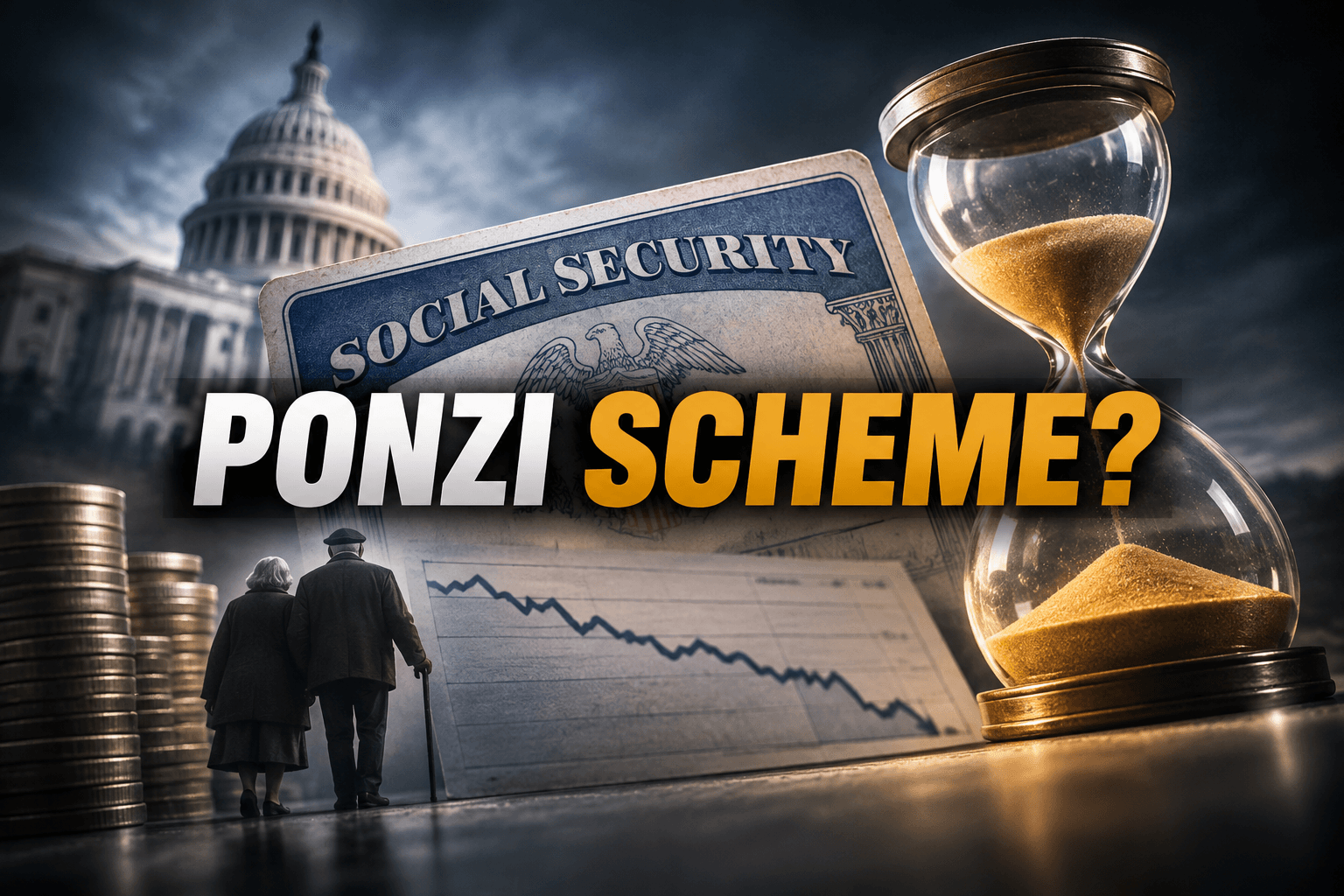
Social Security is not a Ponzi scheme, but its projected funding shortfall is a real issue for retirement planning. Wisconsin Republican Sen. Ron Johnson called the program a “scam” and urged lawmakers to shut it down, according to MarketWatch. The 2025 trustees’ projections point to a funding gap, not benefits automatically falling to zero.
For your portfolio and household plan, the key distinction is between the program’s funding structure and the decisions Congress may make about it. Social Security is government-run social insurance, funded largely by current payroll taxes and other dedicated revenue, with Treasury securities in its trust funds helping cover shortfalls. No current stock price or market move was provided, and this is a policy and retirement-income issue rather than a company earnings story.
What's Happening
The claim has drawn attention after Johnson’s comments, but the funding projections provide a more specific way to assess the concern. The retirement and survivors trust fund, known as OASI, is separate from the disability trust fund. The trustees’ estimates describe when reserves could be depleted and how much of scheduled benefits ongoing income could then support.
- The 2025 trustees projected that the OASI trust fund would be depleted in 2033.
- At OASI depletion, continuing income was estimated to cover about 77% of scheduled benefits.
- The separate disability trust fund was projected to remain solvent through at least 2099.
- The combined retirement, survivors, and disability funds were projected to be depleted in 2034.
- After combined depletion, ongoing income was projected to cover about 81% of scheduled benefits.
These dates and percentages are projections, not guarantees. The figures also describe different measures: the 2033 date and 77% estimate apply to OASI, while the 2034 date and 81% estimate apply to the combined funds. The distinction matters when comparing headlines or assessing how a change in law could affect different parts of the program.
Trust-fund depletion would not mean the program has no income. The estimates say ongoing revenue would still cover a substantial portion of scheduled benefits. Congress could change taxes, benefits, or both, so the amount ultimately payable depends in part on what lawmakers do and on future economic and demographic assumptions.
Why It Matters For Your Portfolio
Workers planning for retirement and retirees who rely on benefits have a direct reason to follow the projections. If lawmakers do not act before projected depletion, benefits would be limited to incoming revenue unless additional funding or other changes are enacted. That possibility makes it prudent to distinguish scheduled benefits from projected payable benefits when reviewing retirement assumptions.
For investors, this is not a basis for a specific stock call: the source material provides no company, ticker, share price, or analyst rating. The broader portfolio connection is policy uncertainty. Changes to payroll taxes or benefits could affect workers, retirees, or employers, while legislation or updated projections could alter assumptions used in long-term financial planning. Growth, value, and income investors may all have different exposures, so the relevance depends on their income plans and the businesses they own.
Risks To Consider
The central concern is that the projections could become a practical constraint if lawmakers do not address the funding gap. The “Ponzi scheme” label can obscure the actual questions for households: how much revenue the program will collect, what benefits will be payable, and whether Congress will change the rules.
- If lawmakers do not act before projected trust-fund depletion, benefits would be limited to incoming revenue unless additional funding or other changes are enacted.
- Aging demographics, including the retirement of large cohorts and relatively fewer workers per beneficiary, put pressure on program finances.
- Changes to payroll taxes or benefits could affect workers, retirees, or employers, with different groups facing different consequences.
The bear case is that no agreement is reached before depletion and the revenue available at that time supports less than scheduled benefits. The figures supplied do not quantify the effect on any individual household, and future trustee assumptions or legislation could change the outlook.
What To Watch Next
There is no specific legislative date or scheduled trustee update provided in the available information. Instead, the most relevant catalysts are policy decisions and revisions to the assumptions behind the projections. Those developments could change estimates of depletion timing and payable benefits, which matter for retirement-income planning.
- Watch for congressional legislation addressing the shortfall through some combination of higher revenue, benefit changes, or revised eligibility rules.
- Track future trustee assumptions about wages, employment, fertility, mortality, and economic growth, all of which can shift projected depletion dates and payable-benefit percentages.
- Compare any new estimates with the 2025 projections: OASI depletion in 2033 with about 77% of scheduled benefits covered, and combined-fund depletion in 2034 with about 81% covered.
For market participants, the practical focus is on whether policy changes could affect household income or employer costs, not on an unsupported short-term price target. No stock levels or company-specific catalysts are available here to monitor.
The Bottom Line
- Social Security is a government-run social insurance program, not a fraud scheme, based on the funding structure described in the available information.
- The 2025 trustees projected trust-fund depletion in 2033 for OASI and 2034 for the combined funds, with ongoing revenue still covering a portion of scheduled benefits.
- Those projections are not a prediction that benefits will fall to zero; Congress could change taxes, benefits, or both.
- Workers and retirees can use the estimates as planning inputs, while recognizing that future policy and trustee assumptions may change the outlook.
- This is informational analysis, not a recommendation to buy, sell, or hold any security or a substitute for individualized financial advice.
FAQ
Q: Is Social Security a Ponzi scheme?
A: No. The supplied information describes it as government-run social insurance, funded largely by current payroll taxes and other dedicated revenues, with trust funds holding Treasury securities to help cover shortfalls.
Q: Will Social Security benefits stop when a trust fund is depleted?
A: The projections do not say benefits will fall to zero. They estimate that continuing income would cover about 77% of scheduled OASI benefits after its projected 2033 depletion, and about 81% for the combined funds after their projected 2034 depletion.
Q: What could change Social Security’s funding outlook?
A: Congressional action on revenue, benefits, or eligibility rules could affect the program. Updates to assumptions about wages, employment, fertility, mortality, and economic growth can also shift projected depletion dates and payable-benefit estimates.