
 Alpha Breaking
Choosing These AI-Exposed College Majors Could... - Sep 25
Share this article
Spread the word on social media
The Big Picture
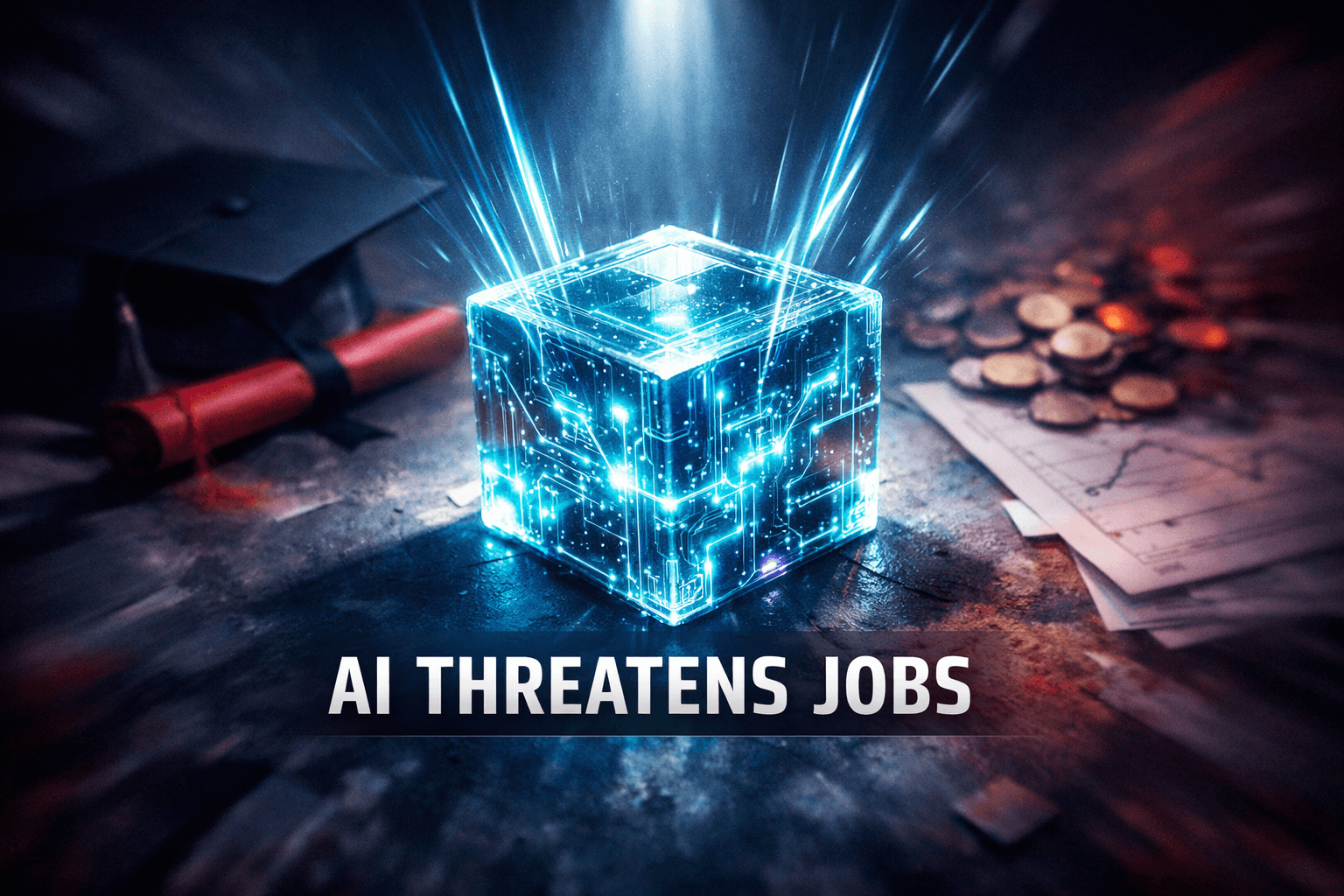
New data warns that students who pick AI-exposed college majors may face measurable setbacks in employment and earnings, a trend investors should not ignore. The MarketWatch report ties specific percentage gaps to career outcomes, creating potential implications for labor supply, consumer spending, and education-related investments.
For investors, weaker pay and hiring for groups of graduates can translate into softer demand for discretionary goods, altered enrollment trends at universities, and shifting revenue prospects for companies tied to hiring, upskilling, and higher education services.
What's Happening
MarketWatch summarizes new findings that quantify how AI exposure across majors is linked to poorer job prospects and pay. The data highlights specific percentage differences that point to tangible economic effects for recent graduates and early-career workers.
- 69%: A headline data point cited in the report, indicating a large share or gap related to AI exposure and an outcome for students.
- 9%: A smaller but meaningful percentage cited, representing a pay or placement difference tied to AI-exposed majors.
- 62%: Another sizable figure in the findings, underscoring the scope of impact across certain measured outcomes.
- 2026: The analysis and market context are being discussed in 2026, as the conversation around AI and workforce choice intensifies.
Each of these figures links back to investor-relevant consequences: a 9% pay gap can reduce lifetime earnings and consumption, a 62% or 69% metric suggests broad exposure within cohorts, and the ongoing 2026 context means policy responses and corporate adjustments are likely to follow. Compared with historical labor-market shifts, these numbers imply a faster, technology-driven reallocation of demand across skills.
Why It Matters For Your Portfolio
Slower wage growth and weaker placement for graduates in AI-exposed majors can ripple across several pockets of the market. Companies reliant on steady entry-level hiring, discretionary spending by young households, or stable enrollment at private institutions may see revenue pressure.
Growth investors should watch exposure to software and AI adoption, while value investors need to consider earnings risk for consumer-facing names. Income-focused investors should note potential demand softness in sectors tied to young-adult consumption. Analysts note that sector winners in AI infrastructure may still benefit even as certain labor-market segments struggle.
Risks To Consider
- Policy and retraining response: Governments or universities could expand reskilling programs, which would reduce long-term downside for affected graduates.
- Sector concentration risk: If hiring shifts toward AI-focused firms, valuation multiples could widen for a small number of winners while many employers face tighter margins.
- Data interpretation: The cited percentages show correlation in outcomes, but the causal path between choosing a major and long-term pay can vary by region, employer demand, and individual career moves.
What To Watch Next
Investors should track policy, corporate hiring trends, and university enrollment shifts to judge how persistent these effects will be. Look for earnings commentary and guidance from companies that hire significant numbers of entry-level graduates, and monitor enrollment figures at majors most exposed to AI.
- University enrollment reports and major-by-major admissions trends for the next academic cycle.
- Corporate hiring plans and entry-level headcount commentary in quarterly earnings calls.
- Labor-market metrics for recent graduates, especially wage growth and placement rates published by government or independent research groups.
The Bottom Line
- Data shows measurable downside for job prospects and pay in AI-exposed majors, which can depress consumer demand from younger cohorts.
- Investors should treat these findings as an incremental macro risk to sectors reliant on strong early-career hiring and spending.
- Watch enrollment and hiring data as near-term signals; policy or reskilling programs could materially change the outlook.
- Consider portfolio stress tests around lower wage growth for younger households rather than making sector bets based solely on the headline findings.
FAQ
Q: How large is the pay impact for students in AI-exposed majors?
A: The MarketWatch report cites specific figures including 69%, 9%, and 62% that quantify gaps in outcomes tied to AI exposure. These percentages indicate meaningful differences in placement and pay among affected groups.
Q: Which investors should pay attention to this data?
A: Investors in consumer discretionary, education-related services, and firms with large entry-level hiring should pay attention. The implications vary by strategy, with growth investors monitoring AI infrastructure winners and value investors watching earnings risk in consumer names.
Q: What are the near-term indicators to track?
A: Monitor university enrollment trends by major, corporate entry-level hiring guidance in earnings calls, and labor-market wage data for recent graduates to gauge whether the reported gaps are broadening or narrowing.