The Big Picture
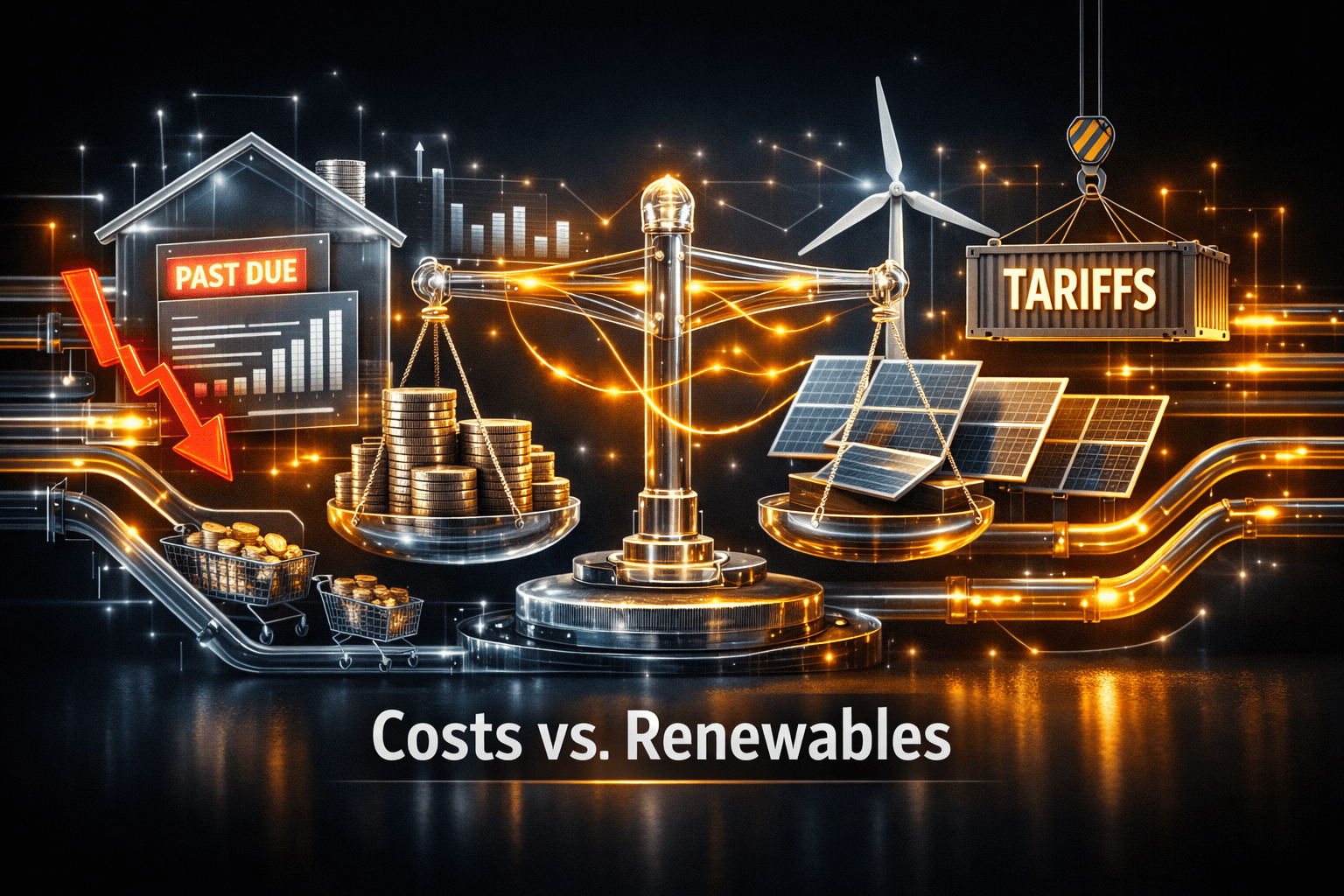
Utilities investors woke to a patchwork of stories that pull in opposite directions today. Affordability and customer-vulnerability concerns are moving front and center for utility planners, even as policy shifts and renewable technologies reshape future supply economics.
That combination matters because it affects near-term cash flows, regulatory scrutiny, and the pace of clean energy deployment. You should expect the coming weeks to sort winners from laggards as utilities, suppliers, and policymakers respond to cost and supply pressure.
Market Highlights
Quick facts and context to start your trading day.
- Customer affordability rises as a strategic focus, with industry coverage highlighting new programs and planning shifts aimed at protecting low-income and vulnerable customers.
- The U.S. Department of Commerce confirmed antidumping findings for solar cells from India, Indonesia and Laos, a move that will reshape module sourcing and may increase costs for downstream developers and installers.
- Retail supply pressures are visible in the broader energy complex: $COST reported rationing of motor oil at some locations as fuel and lubricant prices climb amid geopolitical tensions, a signal of broader input-cost stress for oil-reliant generation.
- On storage and alternative generation, recent field results raised doubts about one gravity-storage demonstrator, while geothermal is drawing renewed policy support and attention as a dispatchable zero-carbon resource.
Key Developments
Affordability and customer vulnerability move from policy to planning
Two sponsored features from Utility Dive this morning emphasize that affordability is no longer a side issue. Utilities are incorporating customer-payment risk, arrearage management, and targeted assistance into long-term investment plans, not just short-term relief programs.
For you that means regulators and management teams will be under pressure to balance cost recovery with protections for vulnerable customers. Expect more filings that tie affordability programs to rate cases and capital plans.
Commerce ruling on solar imports reshapes module economics
The Department of Commerce issued final determinations in an AD/CVD probe covering solar cells from India, Indonesia and Laos. The finding says some exporters have been selling at unfairly low prices, which clears the way for duties that raise import costs.
Higher module costs typically compress margins for installers and project developers, and may slow build schedules. At the same time domestic manufacturers like $FSLR or others that sell U.S.-made panels could see reduced competition. How companies pass through higher prices will matter to your exposure in the supply chain.
Fuel and alternative technologies, from motor oil rationing to geothermal support
Retail rationing of motor oil at $COST stores is an early signal that fuel and lubricant price pressure is seeping into consumer channels. Broader fuel-cost inflation can lift short-run operating costs for gas and oil-fired generators, and that shows up in margins and dispatch economics.
Meanwhile, geothermal received fresh attention as federal policy and industry proponents argue it can be a dispatchable, low-emission baseload. That creates a longer-term counterweight to near-term fossil-fuel pain, and it is something you should monitor if you track utilities with large thermal fleets.
What to Watch
Where you should focus your attention today and in the near term.
- Regulatory filings: Watch state utility commission dockets for rate-case adjustments that include affordability programs, cost recovery language, and requests tied to customer assistance.
- Solar supply chain: Track duty rates and implementation timelines from the Commerce decision, and monitor commentary from module suppliers and project developers on contract renegotiations or delays.
- Fuel-cost transmission: Keep an eye on natural gas pricing, diesel and lubricant spreads, and any supplier notices that could affect generator fuel procurement costs.
- Storage technology viability: Expect pushback and technical debate after the gravity-storage demonstrator critique. How utilities and storage investors reweight capital to proven chemistries or long-duration alternatives will matter for capacity planning.
- Policy signals for geothermal: Federal incentives or permitting reforms could accelerate geothermal permitting and financing, but deployment timelines remain multi-year. What could change in the next 12 to 24 months?
Ask yourself, which of these risks will hit your holdings first, and which are longer term? Use that to prioritize what you monitor daily.
Bottom Line
- Affordability is now a strategic driver for utilities, and you'll see more regulatory focus on consumer protections tied to cost recovery.
- Commerce's solar import ruling raises the probability of higher module prices, shifting near-term economics for developers and installers while benefiting some domestic producers.
- Fuel-price pressure is already showing up in retail channels and could lift short-run operating costs for thermal generators, increasing volatility for earnings tied to dispatchable fuel.
- New technology debates and geothermal policy support add both uncertainty and optionality to the clean-energy transition.
- Overall, the sector presents mixed signals, so you should be selective and follow regulatory and supply-chain updates closely.
FAQ Section
Q: How will the Commerce antidumping ruling affect solar project costs? A: The ruling makes duties likely on cells from India, Indonesia and Laos, which can raise module import costs. That tends to increase project capital expenditure, at least until supply adjusts or alternative sources fill the gap.
Q: Should I expect higher utility bills because of motor oil and fuel rationing? A: Fuel-price spikes can increase short-term operating costs for oil and gas-fired plants, which can put upward pressure on customer bills if utilities seek cost recovery through filings. The effect depends on fuel mix and regulatory treatment at the state level.
Q: Is gravity-based storage viable after the ARES demonstration critique? A: Field reports suggest limitations in the current demonstrator, and you should treat early-stage claims with caution. Data suggests proven battery chemistries and proven long-duration approaches remain the safer benchmarks for grid-scale storage investment decisions.