The Big Picture
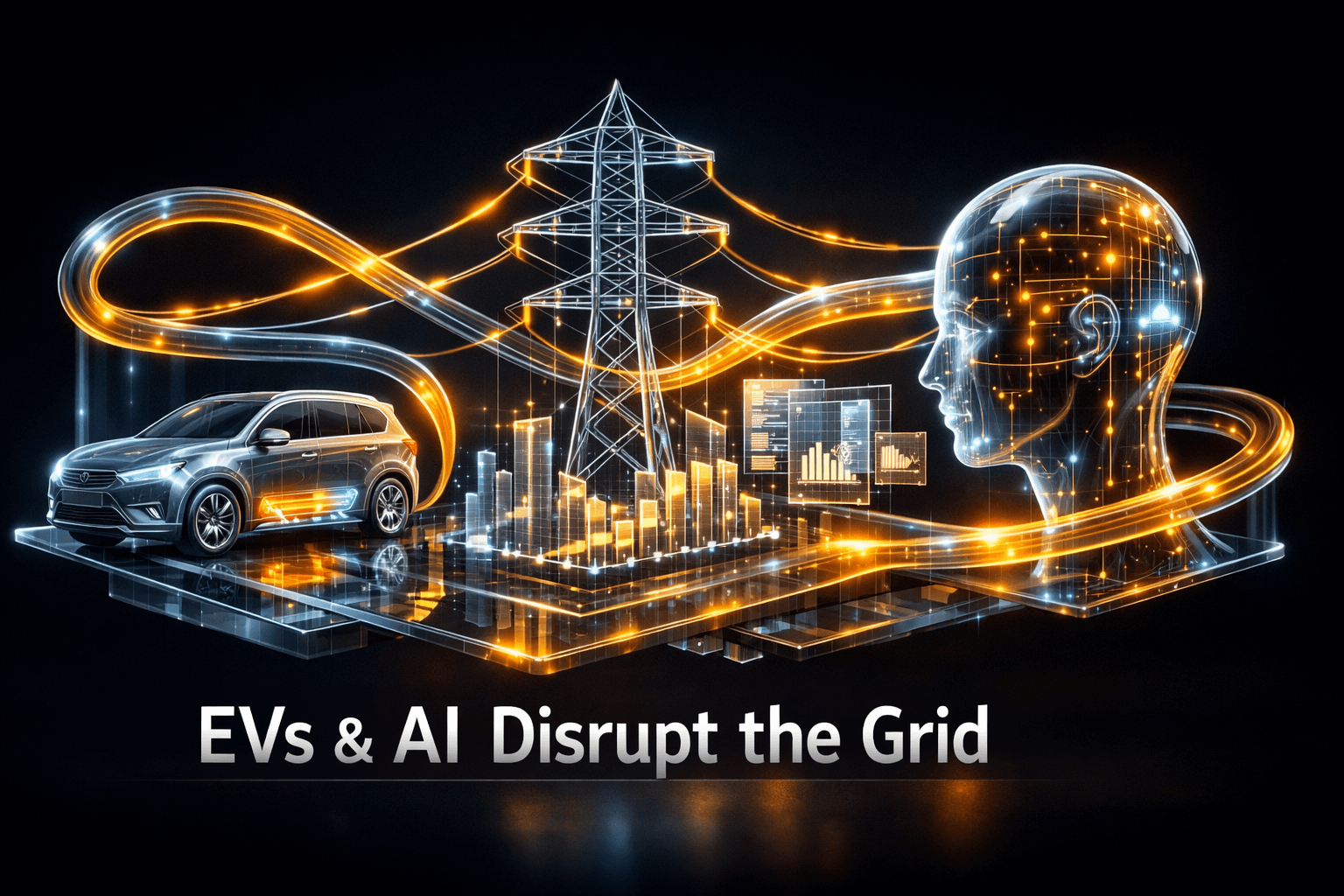
Three developments published on Aug 30 highlight a transitional moment for energy and utilities, even though U.S. markets were closed for the long weekend. Hyundai’s move toward extended-range electric vehicles changes the charging load calculus, XPENG’s expansion of physical AI and vehicle intelligence adds potential grid-edge services, and a high-profile public relations story tied to Elon Musk keeps EV-related reputational risk in play.
Why should you care? These trends affect how much electricity utilities will need to supply, where demand growth may come from, and what kinds of distributed services could become revenue streams for grid operators and energy providers as trading resumes on Monday, Aug 31.
Market Highlights
Markets were closed on Sunday, Aug 30; the last trading session was Friday, Aug 28. No U.S. equity trading occurred on Aug 30, but the headlines below set the context heading into the next session.
- Hyundai Motor, discussed in coverage on Aug 30, is pushing extended-range electric vehicles. Coverage suggests this vehicle class reduces reliance on public charging compared with battery-only EVs, which could moderate near-term charging demand.
- XPENG, profiled Aug 30 for strides in physical AI and VLA 2.0, is positioning its vehicles and robotics as platforms that could eventually offer vehicle-to-grid and smart charging services.
- Tesla and Elon Musk remain in the headlines for non-technical reasons following a high-profile social response to the Nepal flood. Public sentiment and regulatory scrutiny can influence EV adoption narratives, and that matters to utilities planning long-term load forecasts.
Key Developments
Hyundai’s EREV Strategy and Grid Demand
Hyundai’s announcement that extended-range electric vehicles, or EREVs, are a major strategic focus in certain markets signals a nuanced shift in future electricity demand. EREVs use an internal combustion generator to extend range while relying on an electric drivetrain for primary propulsion.
For utilities, that could mean slower growth in public DC fast-charging loads in regions where EREVs gain share, but it does not eliminate electrification-driven demand entirely. You should consider how charging patterns, residential load growth, and fleet replacement cycles will evolve as the vehicle mix changes.
XPENG’s Physical AI Push, VLA 2.0, and Grid-Edge Opportunity
XPENG’s recent progress on physical AI and advanced vehicle platforms was described as potentially transformative for the company, even though revenue impacts are still developing. The same technologies that enable autonomous driving can also enable more sophisticated energy management, like V2G aggregation, smart charging scheduling, and distributed storage coordination.
Could you see utilities partnering with automakers or mobility tech firms for pilot programs? Yes, and XPENG’s announcements make that possibility more concrete, especially in regions where vehicle intelligence and regulatory conditions permit fleet-level energy services.
Tesla, PR Noise, and Adoption Sentiment
A CleanTechnica piece highlighted social attention around Elon Musk following a disaster response controversy. While this is not a utilities story directly, public sentiment toward EV leaders can shape consumer confidence and political pressure on EV incentives and infrastructure spending.
Reputational issues are a risk to the narrative that supports rapid electrification. Utilities and grid planners need to account for possible shifts in adoption rates or policy timelines if sentiment or regulatory scrutiny changes materially.
What to Watch
Heading into Monday, Aug 31, pay attention to these catalysts and risks that will matter to your utility exposure and planning assumptions.
- Policy updates in China and other major EV markets, including any incentives or rules that favor EREVs versus battery-only EVs. Those rules drive vehicle mix and charging behavior.
- XPENG product milestones, pilot deployments, or commercialization timelines for VLA 2.0 and related vehicle intelligence. Watch for announcements about V2G pilots or partnerships with energy firms.
- Regulatory signals in key markets around smart charging, interconnection standards, and grid services compensation. Federal and regional rulings can affect how utilities and aggregators monetize vehicle-grid interaction.
- Utility pilot program announcements and EV infrastructure spending plans. These show whether grid operators are preparing for heavier or lighter charging loads.
- Reputational and political developments around major OEMs like $TSLA, since shifts in public opinion can influence adoption rates and policy priorities.
What risks should you monitor? Watch for slower-than-expected adoption of BEVs if EREVs gain share, delays in charging infrastructure rollouts, and potential regulatory changes that alter compensation for distributed energy services.
Bottom Line
- Hyundai’s EREV focus injects nuance into electrification forecasts, possibly moderating public fast-charging demand in some markets.
- XPENG’s physical AI progress points to new grid-edge services and partnerships, but revenue and utility-scale impact remain prospective.
- Reputational headlines around EV leaders add a variable to adoption forecasts, which utilities must consider when modeling demand and infrastructure needs.
- Watch policy, pilot programs, and partnership announcements closely as markets reopen on Aug 31; these will clarify how much of the narrative is near-term reality.
- Data suggests mixed signals rather than a clear directional shift, so a selective, information-driven approach is warranted for your utility-related exposure.
FAQ Section
Q: How will EREVs affect electricity demand for utilities? A: EREVs may reduce reliance on public charging compared with battery-only EVs, which could slow growth in fast-charging loads, but they do not remove electrification-driven demand for residential and workplace charging.
Q: Can vehicle AI like XPENG’s create new revenue for utilities? A: Yes, vehicle intelligence can enable V2G, managed charging, and aggregated services, but meaningful utility revenue depends on pilots, regulatory frameworks, and commercial agreements.
Q: Should I expect immediate impacts on utility stocks from these stories? A: Not immediately, since U.S. markets were closed on Aug 30 and these items are strategic developments; analysts note that effects are likely to be gradual and tied to policy and pilot outcomes.