The Big Picture
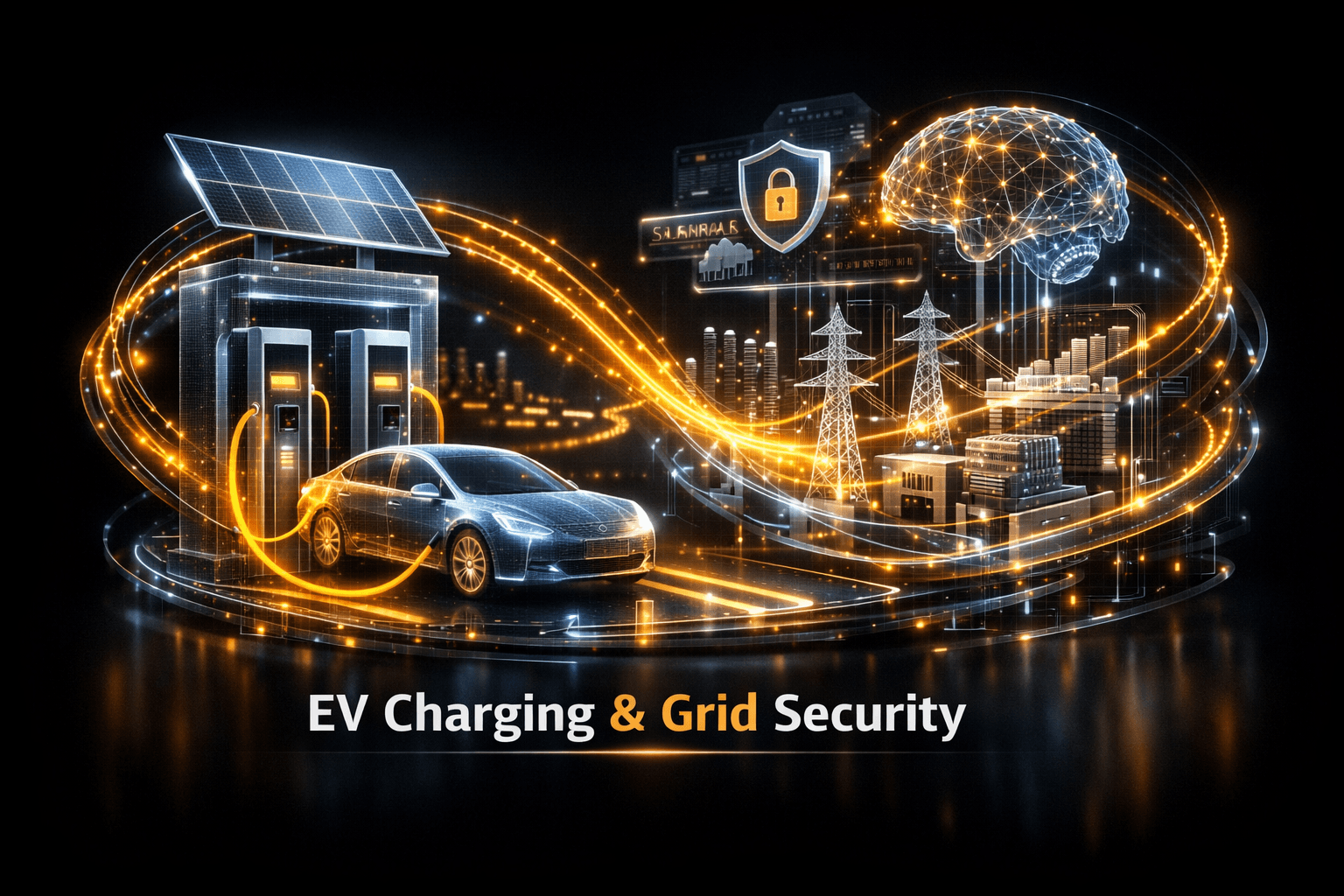
EV charging infrastructure and grid resilience grabbed headlines over the weekend, with fresh deployments and a high-profile cybersecurity initiative that could help utilities harden systems. Those developments matter because expanded charging capacity and better security both support faster electrification and reduce operational risk for power companies.
US equities were closed Sunday; the last trading session was Friday, April 10 and markets will reopen Monday, April 13. You don’t need to act immediately, but you should be tracking which companies stand to benefit from more chargers and from stronger grid cyber defenses.
Market Highlights
Here are the quick facts and numbers to keep top of mind as you prepare for the week ahead.
- New solar-powered fast chargers: PowerStation launched four solar-powered fast chargers at 65857 Rasor Rd, Baker, CA, between Los Angeles and Las Vegas. Charging sessions are free through the end of May.
- Network expansion by travel-stop operator: Love's Travel Stops installed 24 new EV chargers across Texas and Maine, adding three new Texas sites with four chargers apiece in Natalia, Encinal, and Three Rivers.
- Cybersecurity coalition: Anthropic’s Project Glasswing brings 12 major tech companies together to find and patch critical software vulnerabilities before attackers exploit them. Power sector implications are immediate and practical for grid operators and utilities.
- Auto production update: Volkswagen confirmed that ID.4 production will end in the USA, a data point that could affect near-term EV model availability and downstream charging demand in some segments.
- Names to watch: public companies tied to charging and grid services include $CHPT, $EVGO, $BLNK for chargers, and large utilities like $NEE, $DUK, $SO for grid-side exposure. Analysts note these names as beneficiaries of infrastructure growth and resilience investment.
Key Developments
Solar-Powered Fast Chargers Land on a Key Corridor
PowerStation put four solar-powered fast chargers into service at a strategic stop between LA and Las Vegas, and they’ll be free through May. That’s notable for grid planning because solar-coupled chargers reduce instantaneous demand on local distribution during peak sun hours and showcase a model that pairs generation with load.
For you, that means new use cases for on-site generation and storage could change how utilities and site hosts think about interconnection and demand charges. Will more corridor sites adopt the same model? If so, it could move the needle on rural fast-charging availability without adding as much strain to local grids.
Love’s Expands Public Charging Footprint
Love's added 24 chargers at multiple locations in Texas and Maine, marking another example of travel-stop networks building out EV infrastructure. Each new site supports NACS connectors, aligning with the industry shift toward a common standard and simplifying access for many drivers.
This rollout highlights a practical demand-side driver utilities and charging companies should monitor. If you’re following the charging ecosystem, watch how these network operators coordinate with local utilities on site upgrades and pricing for electricity delivery.
Project Glasswing Raises the Bar on Grid Cybersecurity
Anthropic’s Project Glasswing, backed by a dozen major tech firms, aims to discover and remediate software vulnerabilities before adversaries exploit them. POWER Magazine emphasized that power companies and grid operators should take notice because many control systems and operational technologies still rely on software with known weaknesses.
For utilities, the initiative could lower systemic cyber risk and reduce operating disruptions, which helps reliability metrics and lowers potential loss exposure. You should expect increased vendor engagement, patch management scrutiny, and potential spending on security audits and AI-assisted vulnerability scanning.
What to Watch
Keep these catalysts and risks on your radar as markets reopen on Monday, Apr 13.
- Regulatory and incentive signals: federal and state EV incentives, interconnection policy, and permitting rules will shape charger economics and uptake. Will policy makers expand incentives to offset shifts in EV model availability?
- Grid investment and capex guidance: utilities may lift capital spending on distribution upgrades and cybersecurity. Look for updates in upcoming earnings calls from large utilities like $NEE and $DUK.
- Charging network rollouts and pricing models: free charging promotions, like PowerStation’s through May, can drive initial adoption. Watch for changes to pricing and load patterns once promotions end.
- Cybersecurity adoption: Project Glasswing could spur rapid vendor patching and new managed services. Monitor contract announcements, procurement cycles, and any guidance around cybersecurity spend.
- Automaker moves: Volkswagen’s end to ID.4 US production is a reminder that model availability affects long-term EV demand composition. How quickly will OEMs reallocate models or introduce alternatives?
Bottom Line
- Charging capacity is growing in high-value corridors and at travel stops, supporting EV adoption and longer trips for drivers.
- Solar-coupled fast chargers reduce grid strain at peak times and offer a template for future near-zero marginal-cost charging sites.
- Project Glasswing brings AI-first vulnerability discovery to the power sector, which could reduce cyber risk and spur security-related spending.
- One automaker trimming US production of an EV model is a headwind, but it does not erase the broader infrastructure momentum supporting electrification.
- Watch for policy updates, utility capex signals, and cybersecurity contracts that will clarify winners and exposure across the sector.
FAQ Section
Q: How do new chargers affect utility demand? A: New fast chargers increase localized demand and can raise peak load unless paired with on-site generation or managed charging strategies, which many new sites now use.
Q: Will Project Glasswing directly protect my local utility? A: The initiative targets software vulnerabilities broadly; utilities that engage with partners and adopt recommended fixes will be better protected, but protections depend on each operator’s implementation.
Q: Does Volkswagen stopping ID.4 production in the US mean EV adoption is slowing? A: Not necessarily. Model availability shifts can cause short-term impacts in specific segments, but infrastructure growth and continued EV introductions from other OEMs support long-term adoption trends.
Investment disclaimer: This article provides informational analysis only. It does not recommend buying, selling, or holding any security. Analysts note the developments above as factors that could affect companies in the utilities and charging ecosystem.