The Big Picture
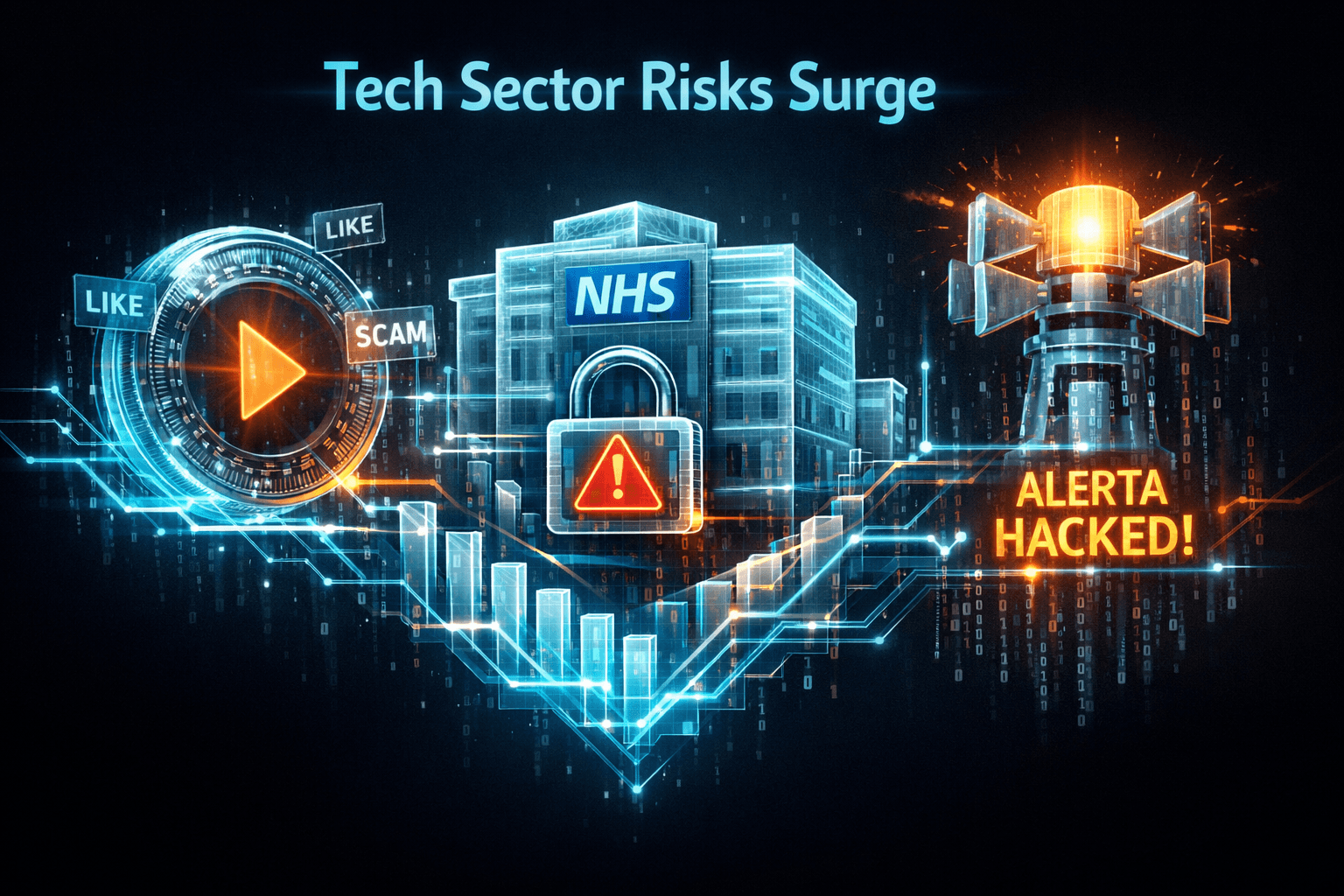
Over the long weekend, trust and security headlines dominated technology coverage, creating fresh downside risks for investors to weigh before markets reopen on Monday. A Wall Street Journal investigation found a prediction-market firm running deceptive creator campaigns targeting U.S. users, while the Financial Times reported rising political pressure to unwind Palantir's high-profile NHS contract.
At the same time, a suspected hack of Brazil's national civil defense alert platform underscored the real-world stakes of cybersecurity failures. For you, that means regulatory scrutiny and reputational damage are likely to drive news flow and volatility in the near term.
Market Highlights
Key moves and signals heading into the long weekend.
- Palantir Technologies $PLTR: Media reports and political pressure in the U.K. put the NHS contract under the microscope, creating reputational risk for the company heading into the week.
- Polymarket and prediction markets: The Wall Street Journal investigation into deceptive paid videos targeting U.S. users amplified regulatory risk for crypto-adjacent platforms operating across jurisdictional boundaries.
- Cybersecurity alert: Brazil took its National Civil Defense warning platform offline after an unauthorized alert reached mobile phones in several states, highlighting operational risk for public-sector tech providers.
Also in the tape, privacy and data provenance stories from The Verge and TechCrunch added to the broader theme of trust in AI training data and model behavior.
Key Developments
Polymarket social campaigns raise legal and trust questions
The Wall Street Journal reported that Polymarket paid creators to post misleading videos about winning bets, apparently aiming at U.S. users even though its main platform is banned in the country. This raises two issues for you to watch, compliance and consumer protection scrutiny.
For investors tracking crypto-related platforms, the story suggests intensified enforcement risk and higher customer-acquisition costs if paid creator campaigns are restricted or if platforms face civil penalties. Will regulators step in and broaden oversight of prediction markets? That is now a clear question for policymakers.
Palantir fights to keep the £330 million NHS contract
The Financial Times details rising public and political pressure on Palantir $PLTR over a seven-year, £330 million deal with NHS England and a possible 2027 break clause. Critics are questioning procurement processes and the deal's transparency.
If the contract is terminated or renegotiated, Palantir could face not only revenue risk but also a reputational hit that could affect other public-sector pipelines. For your portfolio perspective, this highlights how political risk can translate into tangible business outcomes for defense and government-tech providers.
Security and AI data concerns converge
Brazil's decision to take its civil defense alert platform offline after a suspected hack demonstrates the operational consequences of compromised infrastructure. Public-sector outages like this can accelerate calls for improved security standards and spending, but they also expose vendors to contract losses and liability.
On the AI front, The Verge coverage of The Atlantic's searchable database of music used to train models shines a light on data provenance and intellectual property risks. Signal's Meredith Whittaker added a cautionary note about AI chatbots, saying they are not friends and are not conscious. Taken together, these stories increase regulatory and litigation risk for firms using large, opaque training sets.
What to Watch
Events and indicators that could move sentiment when markets reopen.
- Regulatory follow-up on Polymarket, including statements from U.S. regulators or enforcement actions, which could set precedents for crypto and prediction markets.
- U.K. political developments around the NHS contract and any legal steps taken before the 2027 break clause window, which will affect $PLTR headline risk.
- Technical forensics from Brazil's alert incident, plus any vendor disclosures about vulnerabilities, which could influence cybersecurity spending trends.
- Further disclosures about datasets used to train AI, potential copyright or licensing claims, and guidance from privacy regulators on data use in models.
- Corporate responses and reputational management, including statements from the firms involved, which you should read carefully to assess escalation risk.
Keep an eye on Monday morning press releases and regulatory filings. Which firms move first to contain damage, and which narratives gain traction? Your attention to those answers will matter more than any overnight rumor.
Bottom Line
- Security, compliance, and reputational issues dominated tech headlines over the weekend, elevating downside risk heading into Monday's open.
- Polymarket's deceptive creator campaigns and Brazil's alert-system hack both underline consumer protection and operational vulnerabilities across digital platforms.
- Palantir's NHS contract faces growing political scrutiny, a reminder that government ties can become flashpoints for investor risk.
- AI training data transparency and warnings about chatbot behavior increase the likelihood of regulatory guidance and potential litigation that could affect model providers.
- Analysts note that these are cross-cutting risks, so a selective and cautious approach may be warranted as you assess names with public-sector exposure or heavy data reliance. This information is for informational purposes only and is not investment advice.
FAQ Section
Q: How immediate is the regulatory risk from the Polymarket report? A: Regulators often start with inquiries and consumer-protection reviews, so you can expect a phased response starting with public statements and possible enforcement reviews in the coming weeks.
Q: What would a loss of the NHS contract mean for Palantir? A: It would be a reputational setback and could affect near-term revenue assumptions tied to public-sector pipelines, though the precise financial impact would depend on contract terms and potential replacements.
Q: Should I worry about AI training data disclosures? A: Data provenance disclosures increase transparency and could trigger licensing disputes or stricter regulatory guidelines, so you should monitor companies that rely heavily on large unvetted datasets.