The Big Picture
Heading into the long weekend, the Technology sector delivered mixed signals that call for selectivity rather than broad bets. Commercial momentum showed through in corporate results and product line anticipation, while regulatory and reputational risks re-emerged around AI and platform content.
This matters because you may face both opportunity and new uncertainty when markets reopen Monday. Company-specific catalysts will likely determine near-term winners and losers more than broad sector moves.
Market Highlights
Quick facts to set the scene as of Friday, June 5 and events reported on June 6.
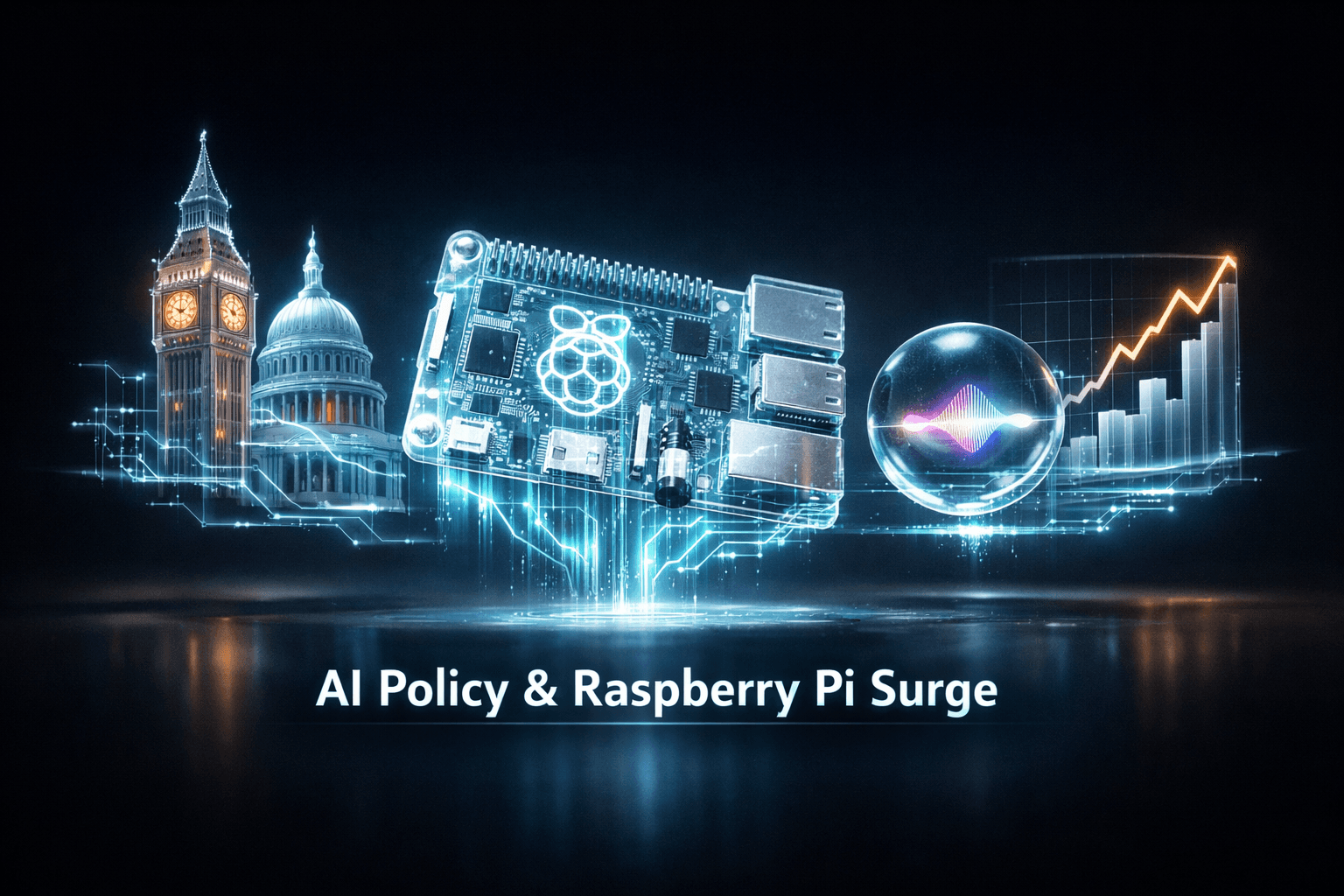
- Raspberry Pi, the UK single-board computer maker, closed up more than 27% on June 5 after telling investors it expects adjusted EBITDA of at least $38 million in H1, putting it on track to beat a $42 million full-year estimate, supported by robust demand and projected unit sales above 4 million in H1.
- Apple $AAPL is in the spotlight ahead of WWDC 2026, with media previews flagging a major Siri revamp and Apple Intelligence updates that aim to boost the Apple Watch experience and services ecosystem.
- Policy and governance headlines picked up: UK police forces were told to stop using AI to draft court statements, and reports say White House AI advisor Sriram Krishnan will leave his role at the end of June, while the Trump administration is exploring a possible equity stake in OpenAI.
- Gaming and platforms generated mixed headlines: independent showcases highlighted narrative and wholesome games, while GOG issued an apology after an email included Nazi-associated symbols, posing a reputational issue for the platform.
Key Developments
AI policy and oversight heats up
UK authorities told several police forces to stop using AI to prepare court statements, citing risks that inaccurate outputs could contaminate legal proceedings. That directive underscores how regulators are tightening operational guardrails for public-sector AI use.
At the same time, in Washington, White House AI advisor Sriram Krishnan said he will step down at the end of June, and President Trump indicated the administration is exploring deals including a possible equity stake in OpenAI. Those moves add geopolitical and governance dimensions to AI’s commercial landscape. What should you watch? Expect heightened scrutiny of AI deployments and the potential for policy-driven market impacts.
Apple’s WWDC looms, Siri and health in focus
Pre-WWDC coverage points to a major Siri overhaul and additional Apple Intelligence features. Analysts and writers are arguing that an improved Siri would be especially meaningful for the Apple Watch use case, potentially strengthening Apple’s wearable ecosystem and services revenue.
If Apple announces tangible improvements, software-led revenue and device engagement could accelerate. You’ll want to track reaction to any specific feature rollouts, timing for developer tools, and how Apple positions its intelligence stack versus rivals.
Raspberry Pi rebound and the indie games spotlight
Raspberry Pi’s upside surprised markets, with management flagging stronger-than-expected demand and a path to beating full-year EBITDA estimates. That’s a reminder that hardware niche leaders can still produce meaningful cash flow surprises even in a tighter macro environment.
Meanwhile, gaming coverage focused on two fronts: narrative-driven titles at the Story-Rich showcase and chill, family-friendly projects from Wholesome Direct. Those events reinforce ongoing diversification in gaming, from big-budget blockbusters to indie and narrative-first titles. On the other hand, GOG’s email error and apology underline how content moderation and QA missteps can quickly become PR and regulatory headaches.
What to Watch
As markets are closed Saturday and Sunday, here are items that will shape Monday and the coming weeks. Stay selective and confirm details as new filings and announcements arrive.
- WWDC keynotes and developer sessions, timing of Siri updates, and Apple Intelligence productization. Look for specifics on APIs, rollout windows, and any services monetization signals from $AAPL.
- Follow regulatory responses to the UK police AI directive and any U.S. policy moves tied to a potential OpenAI stake. Will lawmakers or courts push for stricter rules? That could affect enterprise AI adoption timelines.
- Raspberry Pi investor materials and any follow-up analyst notes on unit economics, supply chain commentary, and margin outlook. Data suggests momentum, but you should watch sustainability of demand.
- Platform safety and content controls after GOG’s incident. Platform governance failures can lead to user churn and developer relations stress.
- Personnel moves in AI policy teams, including transitions tied to Sriram Krishnan. Leadership changes often precede shifts in regulatory priorities and industry engagement strategies.
Bottom Line
- Mixed headline flow means sector direction is likely to be stock-specific, not uniform, when markets reopen Monday.
- Raspberry Pi’s strong H1 outlook is a clear bullish data point for hardware niche players, but confirm guidance details and margin drivers before drawing conclusions.
- AI remains a double-edged sword: commercial interest and possible government involvement sit alongside operational and legal risks that can quickly become market-moving.
- Apple’s WWDC could shift sentiment for wearables and services if Siri and Apple Intelligence announcements deliver clear monetization paths.
- Watch platform governance and QA issues closely, since reputational hits like GOG’s newsletter mistake can have outsized effects on user trust and partner relations.
FAQ Section
Q: Will the UK police directive about AI affect U.S. companies? A: It could, analysts note, because cross-border regulatory trends influence enterprise deployment standards and vendor liability expectations.
Q: How important is WWDC for Apple investors? A: WWDC sets the software roadmap and developer momentum; new Siri and Apple Intelligence features could boost device utility and services engagement, analysts say.
Q: Does Raspberry Pi’s jump suggest broader hardware strength? A: The company reported strong unit demand and better-than-expected EBITDA guidance, which suggests niche hardware can outperform, though you should monitor sustainability and supply dynamics.