The Big Picture
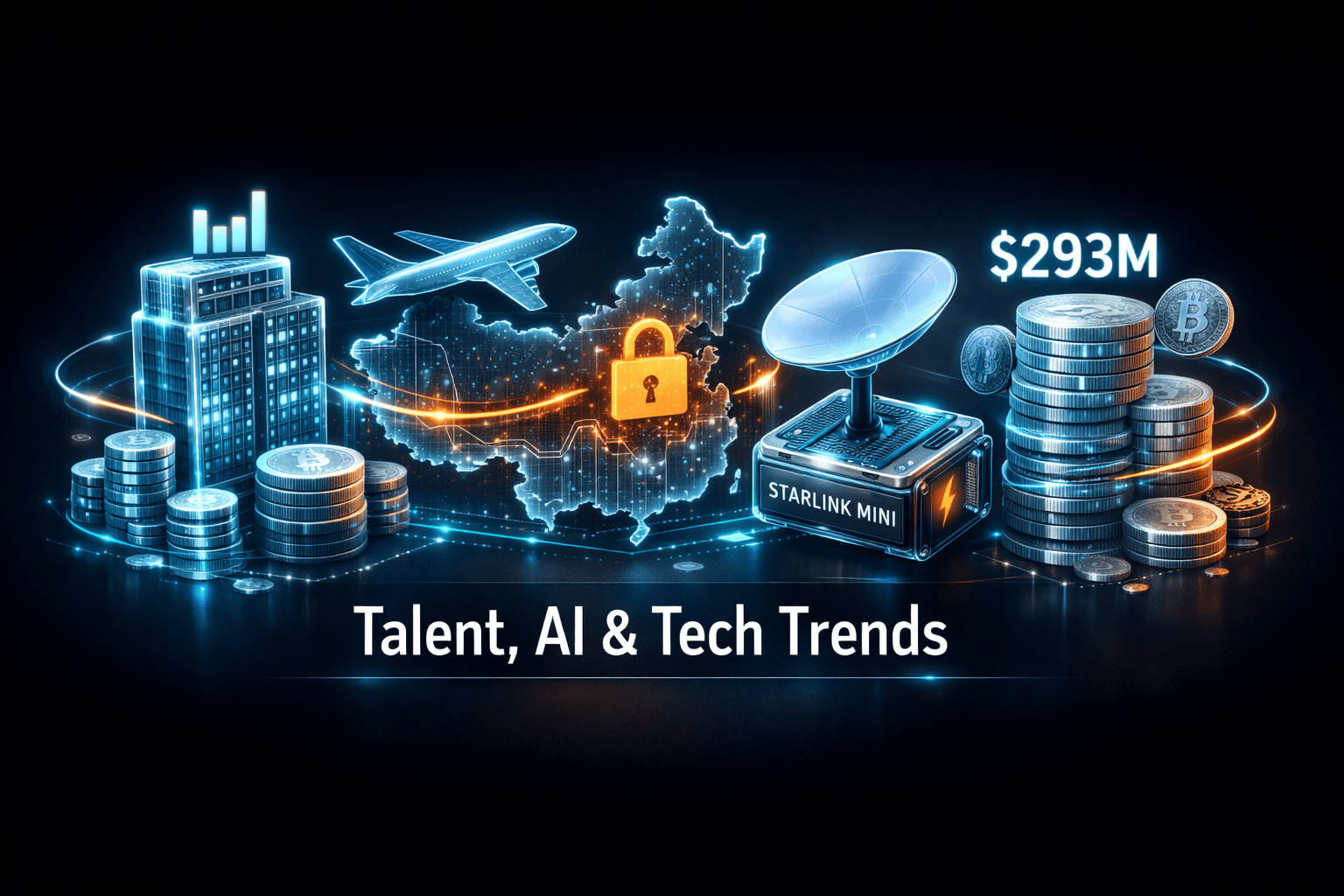
Tech headlines today present a split picture: big bets on AI talent and new devices are colliding with growing regulatory constraints in China. You could see this as a race for capability on one side and an effort to control knowledge flow on the other.
That tension matters because it touches hiring, product road maps, and geopolitical risk, all of which can change near-term sentiment for stocks tied to AI, cloud and consumer devices. How should you think about the mix of growth signals and policy limits?
Market Highlights
Quick facts and numbers to scan this morning.
- ByteDance is offering low-priced, growth-linked stock options to staff in its Seed AI division as it tries to deter poaching and retain talent.
- Chinese agencies have begun imposing overseas travel restrictions on individuals involved in advanced AI work, impacting employees at Alibaba and other firms, a move that raises human-capital and cross-border collaboration risks.
- SpaceX code suggests a battery-powered Starlink Mini could be coming, which would improve portability for remote users and emergency responders.
- Kelp DAO says its restaked Ether token has been restored after a five-week recovery effort following a $293 million exploit by North Korea’s Lazarus Group on April 18.
- Best Buy is promoting a near $200 discount on a 64GB Kingston DDR5 RAM kit, reflecting ongoing consumer hardware promotions ahead of Memorial Day.
- Amazon has ended software support for several older Kindle ereaders and Fire tablets, removing their access to the Kindle Store and limiting future updates.
- Public markets have shown no major pre-market price swings tied directly to these headlines as of the open, leaving room for intra-day reevaluation.
Key Developments
ByteDance doubles down on AI talent
Reports say ByteDance is granting low-priced stock options linked to growth in its Seed AI unit to keep engineers from moving to rivals. You can view this as a classic retention move and as a sign of how competitive specialized AI hiring has become.
For investors, the implication is twofold. First, China’s private AI labs are investing aggressively in human capital. Second, tying compensation to growth signals management is focused on long-term product outcomes rather than short-term cost cuts.
Regulatory friction: travel limits on Chinese AI personnel
Bloomberg reports that Chinese government agencies have started restricting overseas travel for professionals involved in advanced AI work at firms like Alibaba and DeepSeek. This is a policy shift that could slow international collaboration and talent mobility.
That creates a double edged sword for companies: tighter controls may protect domestic tech but they also raise execution risk for global projects. Analysts note this is a geopolitical layer you should factor into valuations for China-focused AI plays like $BABA.
Devices and peripherals: portability, hobbyist gear, and legacy support
On the consumer side, code hints that SpaceX may add an integrated battery to the Starlink Mini. A battery-powered dish would expand use cases for vanlifers, first responders and off-grid connectivity providers.
Meanwhile hobbyist hardware continues to evolve. The new Flipper One runs Linux and broadens the cyberdeck market for security researchers and tinkerers. At the opposite end, Amazon has cut software support for older Kindles and Fire tablets, which reduces the utility of legacy devices even as aftermarket reuse guides appear.
Retail hardware pricing is still competitive. A near $200 discount on a 64GB Kingston DDR5 kit at Best Buy shows inventories and promotions are giving consumers buying power right now.
Crypto resilience after a major exploit
Kelp DAO says it restored its restaked Ether token after a $293 million exploit and a five-week recovery. That’s a significant operational and reputational win for a community-run protocol.
For crypto investors and watchers, this matter underscores both the ongoing security risks in DeFi and how coordinated recovery efforts can limit long-term damage. Data suggests governance and remediation processes are becoming faster and more robust.
What to Watch
Look for catalysts that could sway sentiment across the sector today and this week. You want to know where risk and opportunity line up.
- Talent signals: Monitor any confirmations from ByteDance or rival announcements about incentives, hiring pauses, or high-profile defections. These moves affect capacity in advanced AI research.
- Policy risk: Watch official Chinese guidance on travel and data for AI personnel. Any near-term enforcement actions could change the competitive landscape for China-centric AI stocks.
- Product updates: Keep an eye on firmware releases or SpaceX announcements that confirm a battery-powered Starlink Mini. That product could expand addressable markets for Starlink services.
- Security and governance: Track Kelp DAO follow up on audits and any market impacts to restaked Ether liquidity. Crypto markets often react quickly to perceived fixes.
- Retail promos: Seasonal discounts on components like DDR5 RAM can pressure margins for suppliers while rewarding consumers. You might find opportunities in hardware supply chains if price pressure persists.
Bottom Line
- News today is mixed, with product innovation and protocol recovery balanced against regulatory and talent frictions in China.
- ByteDance’s retention incentives highlight fierce AI competition, while Chinese travel limits add a geopolitical restraint you should watch.
- A battery Starlink Mini would be a practical product expansion, but it remains unconfirmed pending official releases.
- Kelp DAO’s recovery shows DeFi governance can respond, though security risks remain material for token holders and counterparties.
- Short term, expect selective volatility. Stay focused on confirmed product launches, policy announcements, and governance outcomes as primary catalysts.
FAQ Section
Q: What does ByteDance’s stock option plan mean for AI competition? A: It signals escalating competition for AI talent and suggests Chinese tech firms are shifting to equity linked incentives to retain key researchers and engineers.
Q: How serious are the Chinese travel restrictions for technology collaboration? A: They’re a notable risk. Travel limits can slow cross-border projects and make global hiring and partnerships harder for affected firms.
Q: Should I expect immediate market moves from the Starlink Mini rumor? A: Not necessarily. Rumors can influence sentiment but official product details and pricing are the main drivers for sustained market reactions.