The Big Picture
The Technology sector opened the weekend with a string of developments that lean toward longer-term growth, rather than short-term disruption. From AI making inroads into open-source development to algorithms that could increase demand for memory chips, the narrative is one of expanding opportunities across software, semiconductors, and mobility.
You should care because these shifts change where growth is likely to land over the next several quarters. They affect chipmakers, cloud providers, mobility firms, and software contributors, and they could reshape capital intensity and hiring across the sector.
Market Highlights
Markets were closed on Sunday; the last U.S. session was Friday, Apr 10. Here are quick facts and numbers from the key stories you need to know heading into the long weekend.
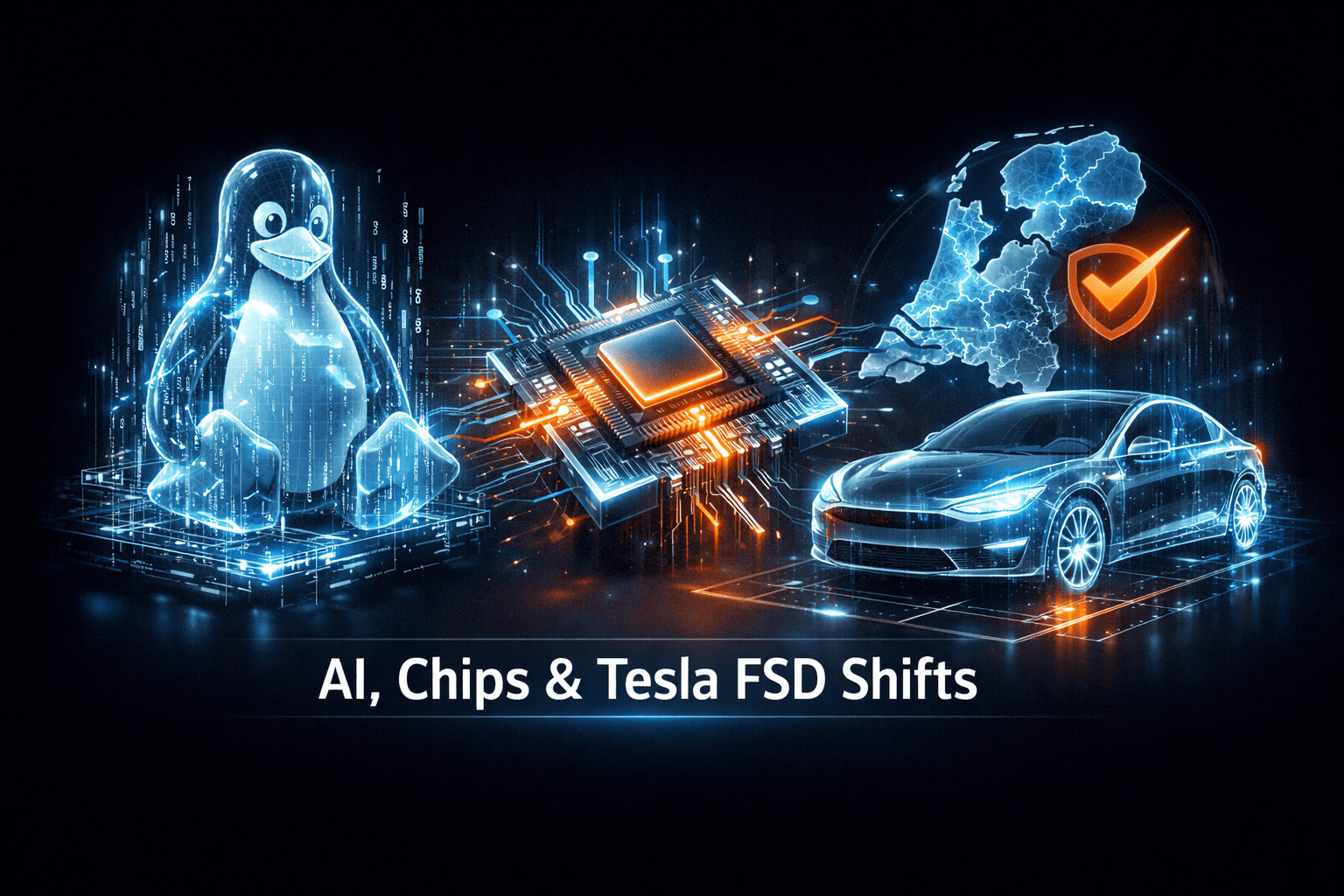
- Linux Kernel: The Linux Kernel Organization now permits AI-generated code submissions, provided contributors meet licensing and attribution rules. This is a major policy shift for open-source development.
- Google TurboQuant: Analysts and researchers say the TurboQuant compression algorithm is more likely to expand memory chip demand than to shrink it. Efficiency gains can mean more, not less, hardware consumption for large LLM deployments.
- Tesla $TSLA: The Netherlands approved Tesla's supervised Full Self-Driving after over a year and a half of testing, making it the first European country to authorize the technology in regular use.
- Consumer hardware: A rumored $30 Google TV stick is being positioned as a budget Chromecast successor, and Lenovo's new Yoga 7a 2-in-1 earns praise for build quality despite mid-tier internals.
- Platform and policy: Kalshi won a temporary restraining order in Arizona, pausing criminal prosecution as federal and state legal questions play out.
- Consumer trends in India: Walmart-owned Flipkart and $AMZN-led expansion are squeezing quick commerce startups through deeper discounts and city rollouts.
Key Developments
AI in Open Source: Linux lets AI-generated code in
The Linux Kernel Organization announced it will allow submissions that include AI-generated code so long as contributors follow strict guidelines on licensing and attribution. This is a pragmatic response to a toolset many developers already use, and it reduces legal and workflow friction for code contributors.
For you as an investor, that matters because it accelerates AI adoption in infrastructure software, and it could speed feature development. It also raises questions about auditability and security that enterprises and cloud providers will need to manage carefully.
TurboQuant and the memory cycle
Google's TurboQuant compression algorithm is designed to make large language models more efficient. Paradoxically, analysts say this may increase demand for memory chips because efficiency at the model level can enable broader deployment and larger-scale inference workloads.
What does that mean for chip makers? Data suggests that improved model efficiency doesn't necessarily reduce total compute needs. Instead, it can expand use cases and volumes, which could be a tailwind for memory players and their suppliers.
Autonomy gets a foothold in Europe
Regulators in the Netherlands have approved Tesla's supervised Full Self-Driving, following lengthy trials. This is the first European approval of its kind, and it could open the door to wider adoption across the EU if other regulators follow suit.
You're watching not just $TSLA technology, but also how regulators build frameworks for supervised autonomy. Approval in one EU market can shape standards elsewhere and influence partnerships between automakers and software firms.
What to Watch
Expect a busy early week for sector news and analyst commentary. Here are the catalysts and risks you should track.
- Analyst notes and earnings: Watch for updates from memory chipmakers and their suppliers, where guidance could be revised to reflect TurboQuant-driven demand shifts.
- Open-source governance: Keep an eye on security audits and licensing disputes as AI-generated contributions increase in core projects. Will cloud vendors tighten certification requirements?
- Regulatory ripple effects: The Netherlands' decision on Tesla FSD may prompt other EU regulators to accelerate their own rulemaking. How will insurance and liability frameworks respond?
- Competitive dynamics in India: Flipkart and $AMZN expansion tactics could force consolidation among quick commerce startups. That has implications for margin profiles and venture valuations in the region.
- Hardware demand: New budget streaming devices and mid-tier laptops create pressure on margins in consumer hardware. Watch component order books and seasonal promotions.
Which of these trends should you prioritize? If you focus on long-term structural demand, semiconductors and AI infrastructure look compelling. Want to manage downside risks? Keep an eye on regulatory moves and competitive pricing battles in e-commerce.
Bottom Line
- Linux's acceptance of AI-generated kernel code lowers a major barrier to AI-assisted development, speeding software cycles and raising audit needs.
- Google's TurboQuant may paradoxically increase memory demand by enabling broader LLM deployment, potentially boosting chipmaker activity.
- Regulatory progress for Tesla's supervised FSD in the Netherlands is a milestone for autonomy in Europe and could influence wider adoption frameworks.
- Competitive pressure from Walmart-backed Flipkart and $AMZN is squeezing quick commerce startups in India, signaling consolidation risk in that market.
- Consumer hardware remains mixed; budget streaming devices and competent mid-range laptops keep competition intense while margins are under pressure.
FAQ Section
Q: What does Linux allowing AI-generated code mean for software security? A: It means more efficient development workflows, but also a greater need for code review, provenance checks, and licensing audits.
Q: Will TurboQuant reduce demand for memory chips? A: Analysts cited in recent coverage say it may actually increase demand, because efficiency can enable more and larger deployments of LLMs.
Q: Does the Netherlands approval mean Tesla's FSD is legal across Europe? A: Not automatically. It sets a precedent, but other EU countries will review the decision and adapt their own regulatory approaches.
Analysts note these developments point to expanding addressable markets for AI infrastructure, semiconductors, and regulated mobility. This briefing is informational only, and it does not recommend buying or selling any security. Check company filings and regulatory releases for definitive details, and consult a licensed professional for personalized advice.