The Big Picture
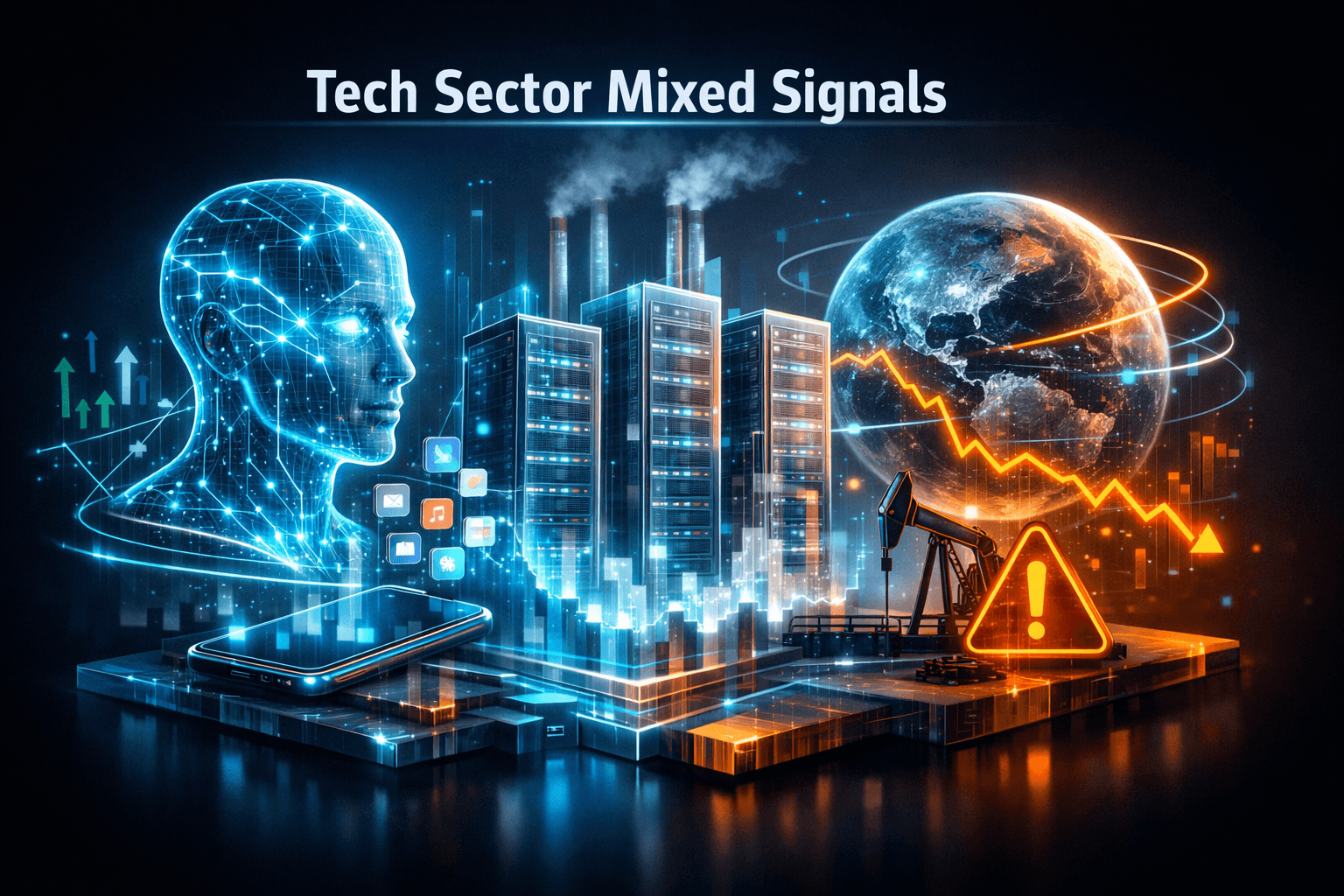
Tech headlines on Apr 3 ranged from upbeat consumer AI features and iPad bargains to concerning infrastructure and corporate governance tidbits. You saw product-level momentum in AI-driven services and music discovery, but you also saw energy, privacy, and staffing stories that complicate the outlook.
Markets were closed for Good Friday, so all equity moves are referenced heading into the long weekend. That contrast matters because news flow will likely shape sentiment before trading resumes on Monday, Apr 6.
Market Highlights
Here are the quick facts and price moves that stood out from the day's coverage.
- Lenovo handheld price shock: Best Buy listings show the Legion Go 2 at $1,499 for the Ryzen Z2, up $400 from a prior $1,099, a 36.4% jump. The Z2 Extreme is now $1,999, up $650 from $1,349, a 48.2% increase, highlighting supply or component pressures.
- AI infrastructure pivot: Reports say $MSFT, $GOOGL and $META are backing large natural gas power plants to fuel AI data centers, raising questions about carbon policy and operational risk.
- OpenAI leadership shifts: Brad Lightcap moves to a special projects role, while Fidji Simo is on medical leave for several weeks, a management update investors will watch for governance and execution implications.
- Data sourcing and startup growth: Mercor, an AI data startup, is described as pursuing a $10 billion opportunity by buying past creative work, an approach that raises IP and legal questions.
Key Developments
OpenAI executive moves and product strategy
Bloomberg reporting and Techmeme summaries show OpenAI reorganizing operations, with COO Brad Lightcap shifting to special projects and other executives taking leave. At the same time, interviews suggest OpenAI is building a Codex-powered superapp that combines generative chat with developer tooling.
For you, that means product continuity will be a focus. Who runs day-to-day operations while new flagship products are rolled out will be a key governance question for the coming weeks.
Energy choices for AI data centers
TechCrunch reports that $MSFT, $GOOGL and $META are building large natural gas plants to power AI compute. That choice may reduce energy-supply risk but it introduces political, regulatory, and reputational exposure as climate scrutiny intensifies.
Could those plants create long-term operational benefits or will they become a liability as emissions rules tighten? It's a question companies and communities will be bargaining over, and you should expect debate to continue.
Data sourcing, IP and the ethics of training sets
The Wall Street Journal coverage of Mercor alleges the startup asked professionals to sell prior work as training data even if rights were unclear. That highlights a growing industry tension between model improvement and intellectual property norms.
Regulators and rights holders are watching closely, and this will influence contracts and compliance costs for both startups and large model consumers.
What to Watch
Heading into next week, keep an eye on execution milestones, regulatory cues, and consumer engagement metrics that could move sentiment once markets reopen on Apr 6.
- Earnings and guidance cues, especially from cloud and AI infrastructure suppliers, will clarify demand for data-center expansions.
- Any official statements on the natural gas projects from $MSFT, $GOOGL or $META, or local permitting delays, could shift narratives on emissions and supply resilience.
- OpenAI updates on leadership responsibilities and product timelines will matter. Watch for internal memos or public blog posts that explain the transition.
- IP and litigation risk tied to data sourcing, including follow-ups on Mercor, could prompt new contractual standards across the industry.
- Consumer signal checks, like the success of Apple Music's AI playlist tool and iPad app adoption, will show if everyday users are embracing new AI convenience features.
Are you tracking developer and consumer adoption metrics? Those figures will tell you whether product momentum can translate into longer term revenue trends.
Bottom Line
- Mixed signals dominate the tape, with product-level AI momentum offset by infrastructure and governance risks.
- Energy decisions by major cloud and AI players create near-term resilience at the cost of longer-term regulatory and reputational exposure.
- Leadership changes at influential AI firms like OpenAI deserve close attention because they affect product rollouts and partner confidence.
- Data sourcing practices from startups such as Mercor highlight legal and ethical risks that could increase compliance costs for the sector.
- Consumer-facing wins, like Apple Music AI experiments and iPad app and deal coverage, show continued retail demand for helpful AI and hardware experiences.
FAQ Section
Q: How should I interpret the natural gas plant reports? A: The reporting suggests major cloud and AI users are prioritizing on-site reliable power, but that choice carries emissions and permitting risks that could affect costs and public sentiment.
Q: Do leadership changes at OpenAI affect AI product rollouts? A: Leadership shifts can influence timelines and partner confidence. Analysts note product continuity and internal clarity will be important to watch in the near term.
Q: Are price jumps in gaming hardware a broader signal? A: Sharp increases like the Lenovo Legion Go 2 moves point to component or supply constraints and cost inflation in gaming hardware, which could show up across consumer electronics.