The Big Picture
Over the long weekend the headlines leaned into AI and chips, with Elon Musk unveiling a plan to onshore chip manufacturing and Nvidia-themed world models remaining a central research story. While markets were closed Sunday, these developments reinforce a clear industry pivot toward vertical integration and foundational AI research, themes that could shape capital allocation and supply chains next week.
Why does this matter to you as an investor? Onshoring and new fabrication projects can change margins and supplier relationships, while continued momentum behind world models signals more durable demand for specialized AI hardware and software services.
Market Highlights
US exchanges were closed Sunday. The last trading session was Friday, Mar 20, and investors are heading into Monday with these headlines fresh in mind.
- Elon Musk announced Terafab, an Austin-based chip manufacturing project run by Tesla and SpaceX, aimed at producing robotics, AI, and space data center chips for Tesla $TSLA and related businesses.
- Nvidia GTC kept world models in the spotlight, with a deep-dive essay co-written by General Intuition CEO Pim de Witte discussed widely after the conference.
- Apple $AAPL’s Tim Cook spoke positively about Chinese developers in Beijing a week after state media criticized the App Store, a sign of active regulatory engagement.
- Product and developer news: Google made Quick Share more compatible with AirDrop, ZDNet ran guides on AI agents, and Samsung’s Galaxy Buds 4 Pro drew favorable reviews as AirPods rivals.
- Legal and content risks surfaced: the Halide co-founder filed suit related to source code and a publisher pulled a novel amid AI-generation concerns.
Key Developments
Terafab and onshoring chips
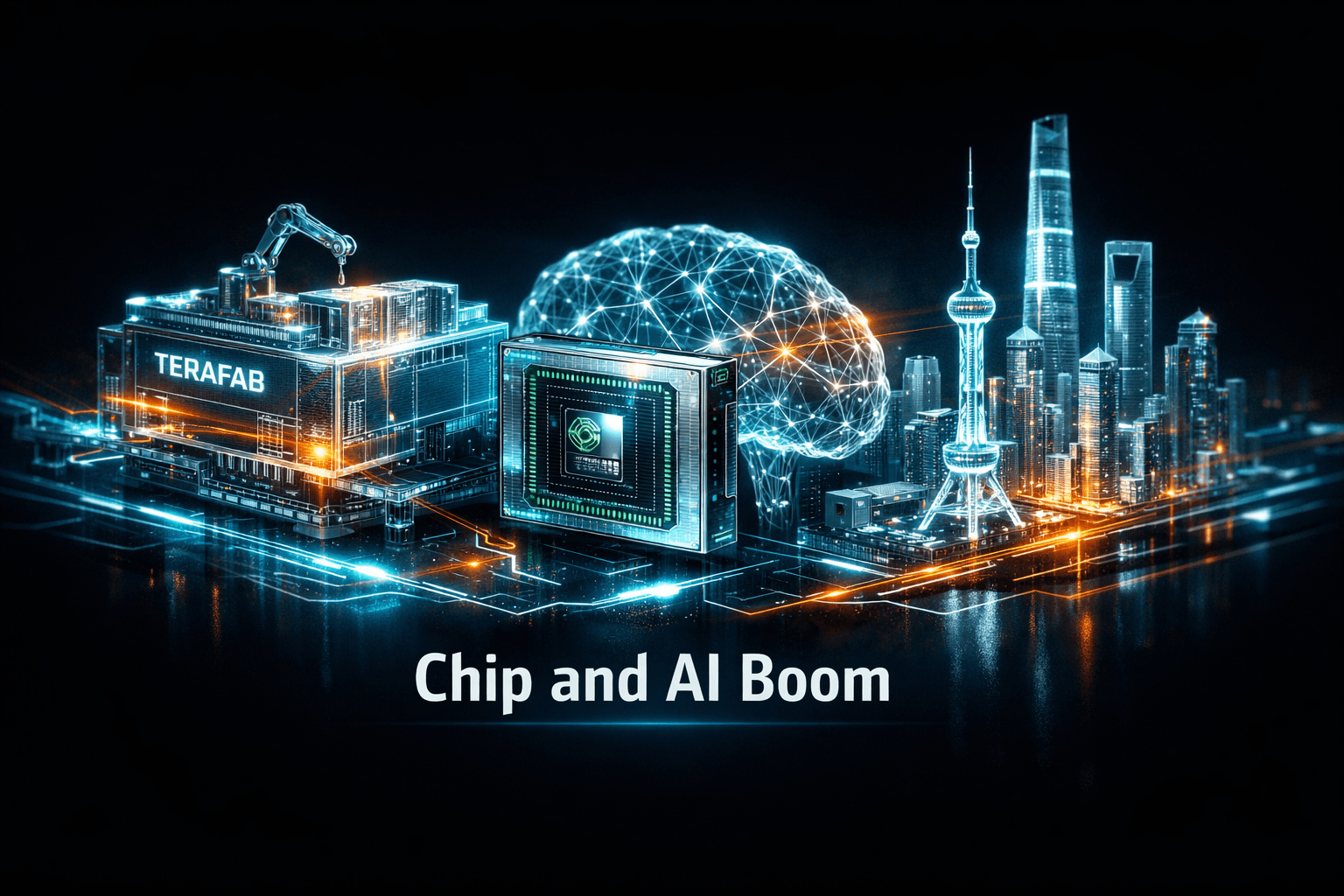
Elon Musk revealed Terafab, an Austin-based initiative involving Tesla and SpaceX to manufacture chips for robotics, AI, and space data centers. The move underscores a push toward vertical integration in high-performance silicon, which could reduce dependency on external fabs over time and influence supplier pricing power.
For investors, the key questions are execution and timeline. Building fabrication capacity is capital intensive and takes years. Will supply-chain control translate into better margins for $TSLA or other Musk ventures, or will scale costs and ramp risks weigh on near-term results?
Nvidia GTC, world models and AI infrastructure
World models were a dominant theme at Nvidia GTC, highlighted by an essay co-authored by General Intuition’s Pim de Witte. The research focus reflects growing industry attention on models that simulate environments for generalization and agent behavior, which tend to demand substantial compute and specialized accelerators.
This reinforces demand signals for AI hardware makers and cloud providers. If world models gain traction in commercial applications, companies tied to AI inference and training stacks, including $NVDA, could see sustained tailwinds as workloads shift from prototype to production.
Regulatory, legal and AI content risks
There are two related threads to watch. First, Tim Cook’s outreach in Beijing follows Chinese state media criticism of the App Store, suggesting Apple $AAPL is actively managing developer relations in a sensitive market. Second, legal friction is rising, from a lawsuit tied to Halide source code to Hachette pulling a novel over suspected AI generation.
These items show regulatory and IP risk is not going away. They are a fly in the ointment for the sector that could increase compliance costs and slow product rollouts, especially where user data and software provenance matter.
What to Watch
Look for follow-ups and concrete timelines. Will Terafab publish a roadmap, site approvals, or capex estimates soon? You should watch official filings and vendor agreements that could reveal partner commitments or third-party demand.
Keep an eye on GTC spinouts. Are companies announcing new chips, SDKs, or production contracts tied to world models? That will tell you whether research interest is moving toward commercial adoption.
Regulatory signals in China and IP litigation deserve monitoring. Watch statements from $AAPL, regulators, and court filings for clues on potential fines or forced changes. How will big developers respond to token-based compensation and content provenance rules? Those trends could affect talent costs and product roadmaps.
Bottom Line
- Infrastructure and AI research headlines point to continued sector momentum, with chip onshoring and world models likely to drive capital intensity and long-term demand.
- Corporate outreach in China and IP disputes show regulatory and legal risks remain active, which could affect timelines and margins for some firms.
- Product-level improvements and interoperability wins, like AirDrop workarounds and strong hardware reviews, support consumer-facing growth niches.
- Watch execution milestones, regulatory statements, and any capital spending details tied to Terafab and similar projects over the coming weeks.
FAQ Section
Q: How should I interpret Terafab’s announcement? A: It signals a strategic push to control chip supply and design for robotics and AI workloads, but execution will take time and capex.
Q: Does Nvidia GTC mean immediate revenue for chipmakers? A: Not immediately; research themes like world models suggest growing long-term demand, but commercial adoption and revenue depend on deployments and partner wins.
Q: Are legal and regulatory stories a major risk? A: They’re material risks to monitor. IP lawsuits and regulatory scrutiny, especially in China, can affect business operations and costs, so follow filings and official statements.